Search
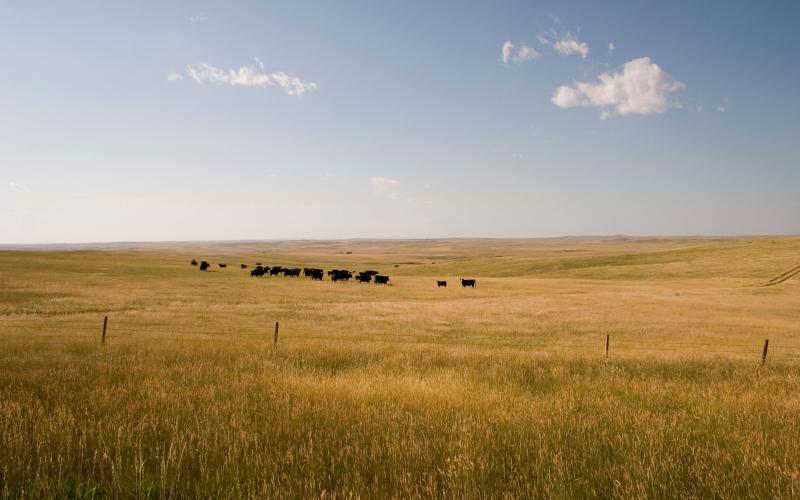
Rotational Grazing Improves Stocking Capacity and Ranch Profitability
Livestock stocking rate is considered as one of the most important decisions that ranchers can make, as heavy stocking rate causes grassland degradation and adversely impact the sustainable delivery of ecosystem services.
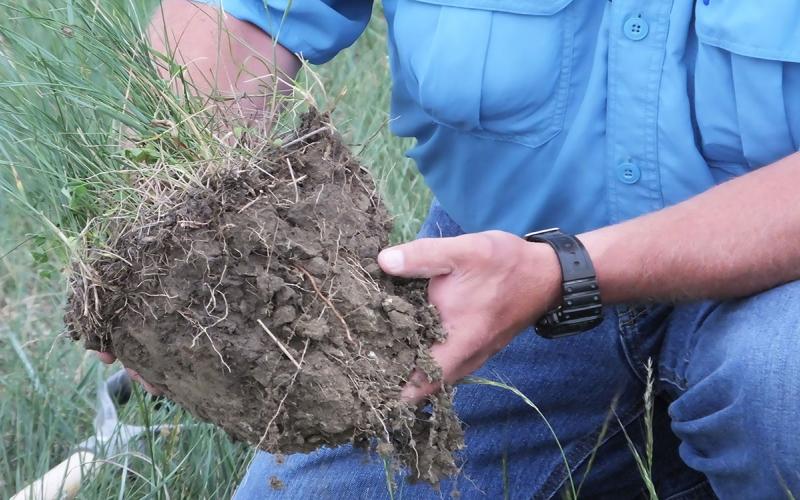
Fertilizing Grasslands
Grassland fertilization, like many other grassland management topics, is highly dependent on certain parameters, such as soil type, vegetation type and harvest methods.
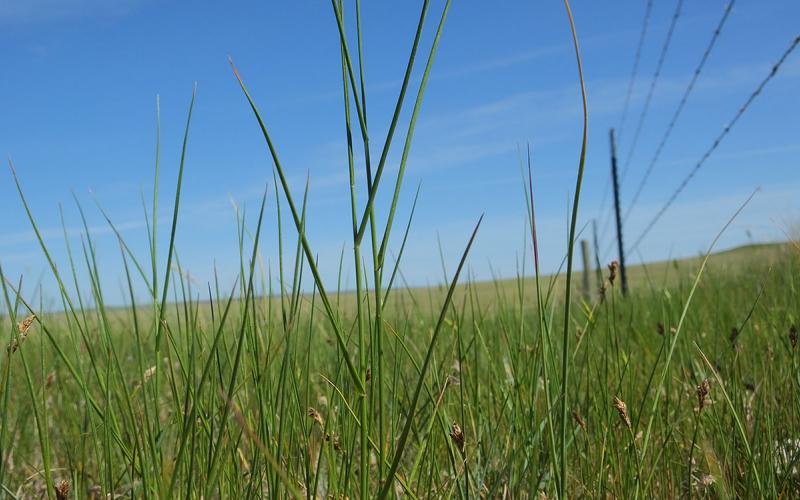
Native Species
Native grassland species are a vital part of South Dakota’s livestock industry. Native species tend to be well adapted to the soils and climate of a specific area, and they are typically less susceptible to disease, pests, drought and other ailments.
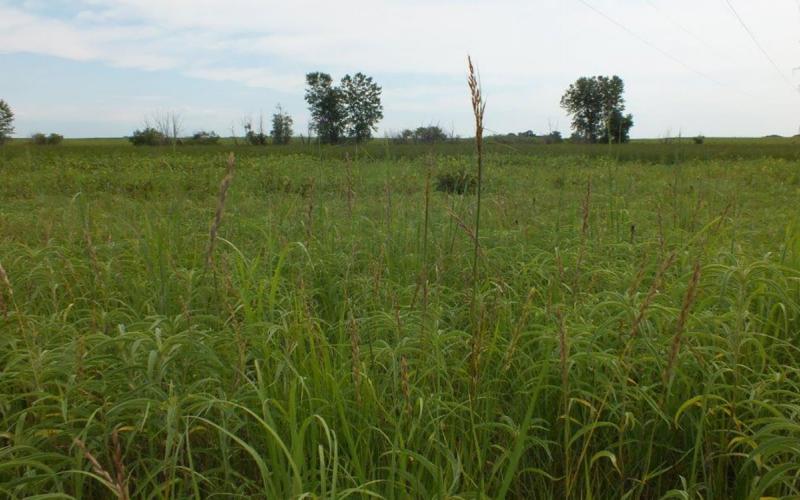
Warm and Cool-Season Grasses
Grasses are often divided into two groups based on their season of growth. Cool-season grasses grow in the early part of the growing season (spring and early summer), while warm-season grasses grow later in the season (early summer to late summer).
General Principals of Grazing Management
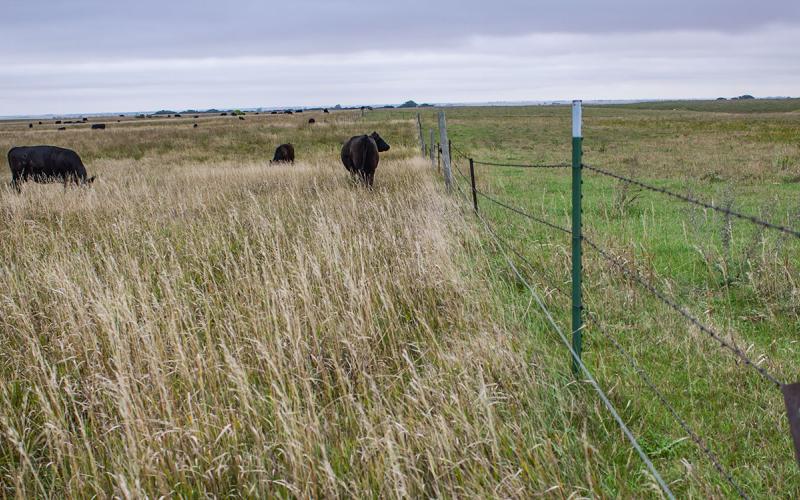
Grazing involves a number of variables, including land carrying capacity, type and distribution of the livestock, water distribution and number of pastures. A combination of proper grazing techniques and grassland management will improve harvest efficiency and lower production costs.
Designing a Grazing Program
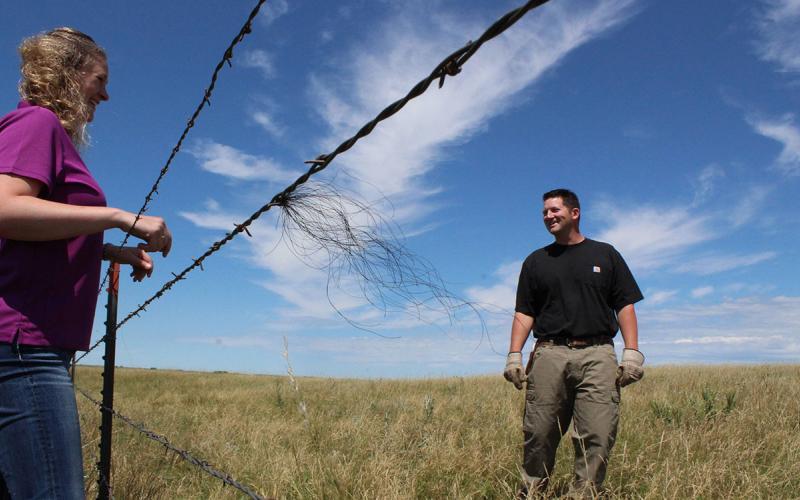
The development of a successful grazing management program begins with a mental inventory and an observation of what is happening that you would like to change. Next, consider what you are willing to do to make that change.

Registration Open for the 2022 Eastern South Dakota Water Conference
September 21, 2022
Registration is open for the 2022 Eastern South Dakota Water Conference to be held on Wednesday, Oct. 12, at the McCrory Gardens Education and Visitor Center in Brookings, South Dakota.
Grazing Systems
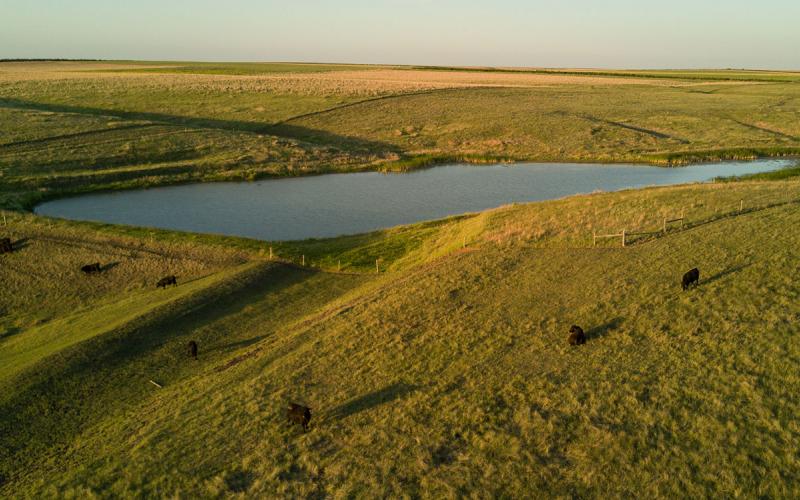
According to rangeland and pasture specialists, there are four basic types of grazing systems, including: continuous grazing, deferred rotational grazing, rest rotational grazing and management-intensive grazing.
Water Quality
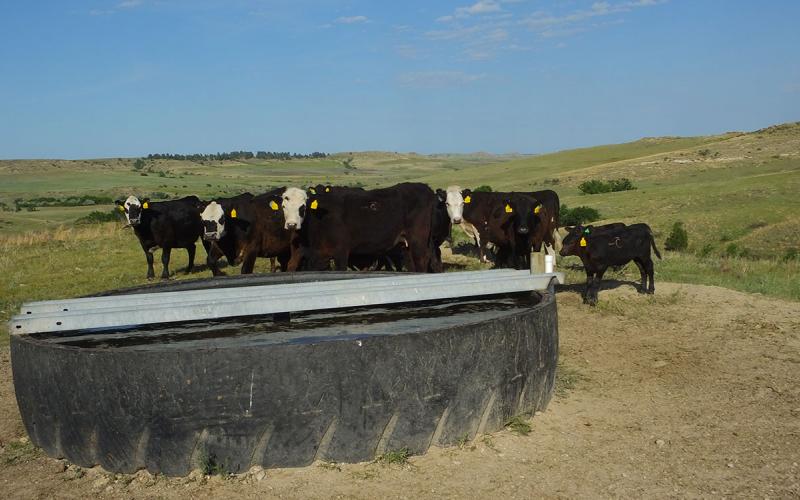
While producers have long acknowledged that access to water makes the difference between a profitable or unsuccessful operation, they are beginning to understand that water quality may be as important as water quantity.
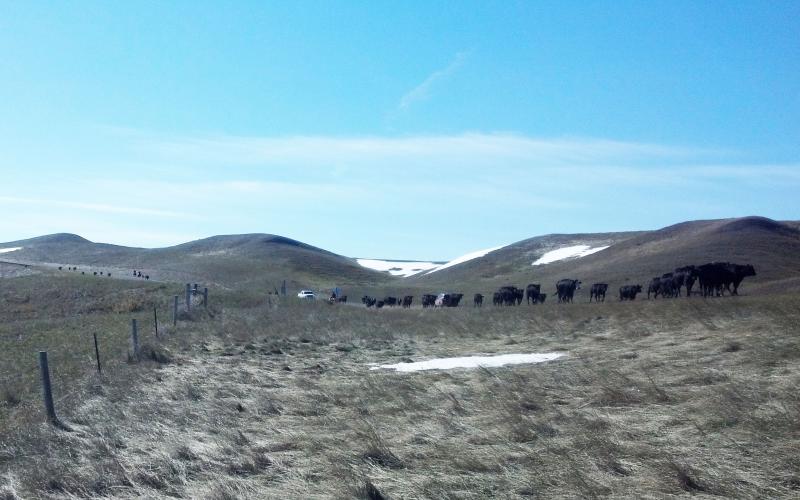
Winter Grazing
The predominant factor in winter grazing is ensuring adequate forage availability while considering long-term range health. When managed correctly, grazing winter range can be a viable option for controlling feed costs without negatively impacting rangelands.