Search

SDSU Extension provides education, training for range management
July 16, 2026
As ranchers and cattlemen in the region face drought-related grazing pressures, South Dakota State University Extension and its partners have a bevy of opportunities to help them manage this year and begin planning for 2027.
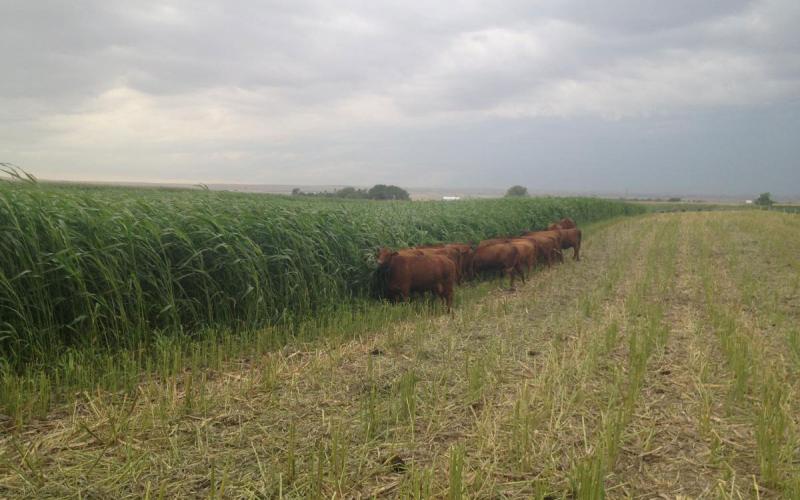
Prussic Acid Poisoning
As the first frost date approaches, producers often have concerns about the risk of prussic acid poisoning in livestock. Certain forage plants, especially sorghums and related species are associated with an increased risk of death loss because of prussic acid poisoning.
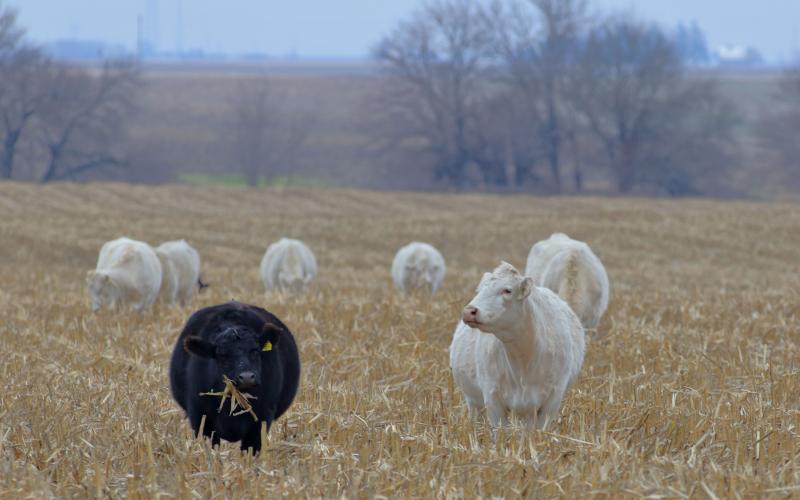
Farm Practices That Improve Soil Health: Integrated Crop-Livestock Systems
An integrated crop-livestock system can provide an alternative management strategy that benefits producer’s income, soil health, and the environment—all while increasing production.
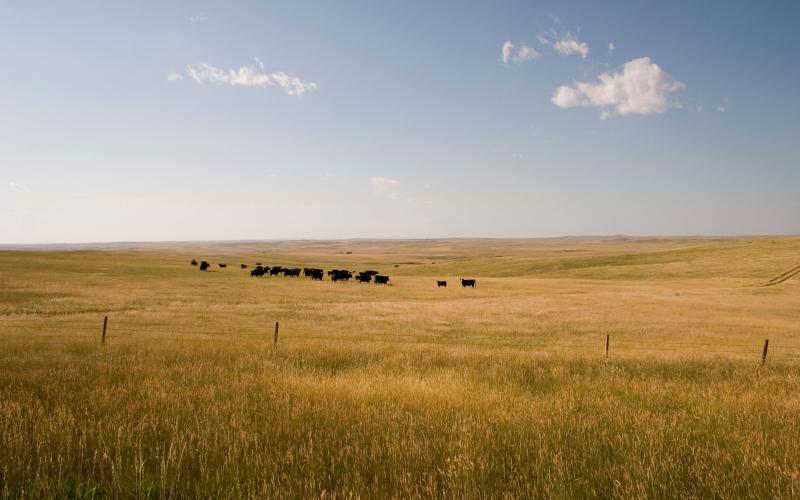
Rotational Grazing Improves Stocking Capacity and Ranch Profitability
Livestock stocking rate is considered as one of the most important decisions that ranchers can make, as heavy stocking rate causes grassland degradation and adversely impact the sustainable delivery of ecosystem services.
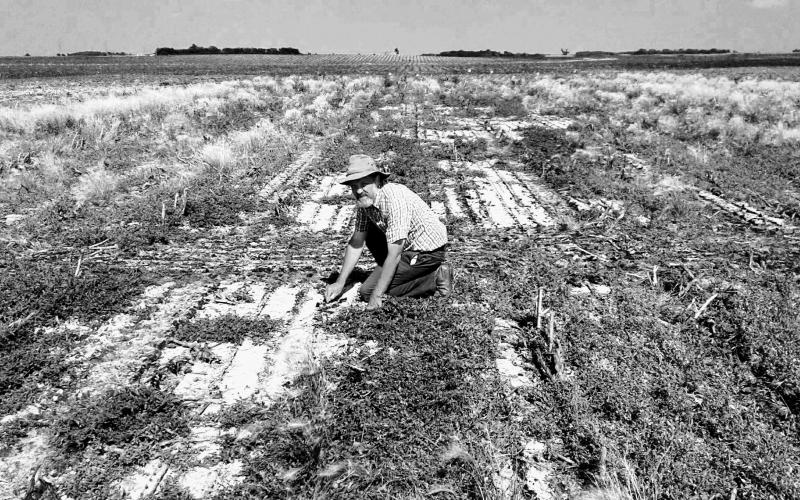
Perennial Solutions for Alkali Areas
Reclaiming marginal lands, especially those considered saline or sodic can be very challenging and may take many years to accomplish. The key to turning around salt or alkali areas in your fields, begins with getting a living root established in the affected area.
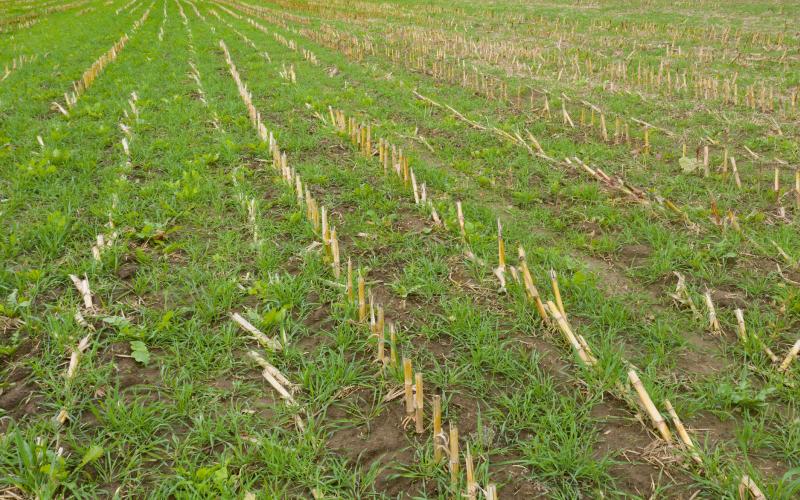
Utilizing Cover Crops for Grazing: An Assessment on Economic Benefits
Grazing cover crops by cattle provides an option to offset cover crop seed costs and increase farm revenue. To facilitate farmers’ decision making, this article will evaluate the economic profitability from grazing cattle on cover crops using a partial budgeting approach.
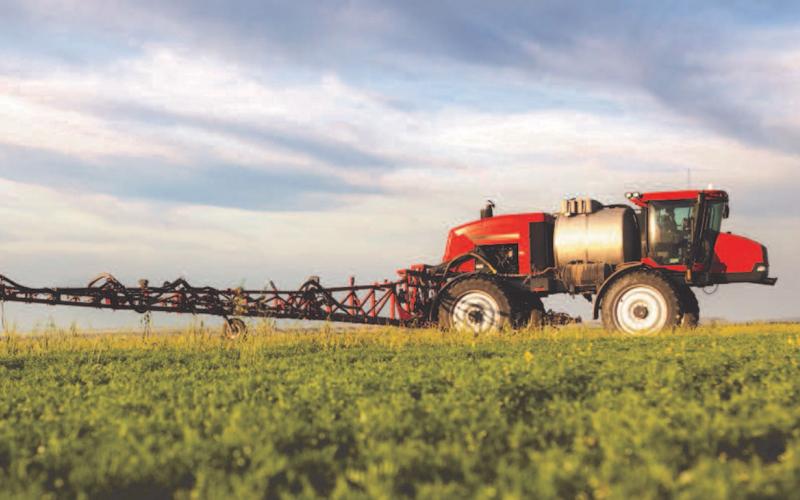
How to Stop Drift
The goals of applying any crop protection products include: increasing effectiveness, mitigating drift, and maximizing profits. We will focus on mitigating drift, even though all three interact with each other.
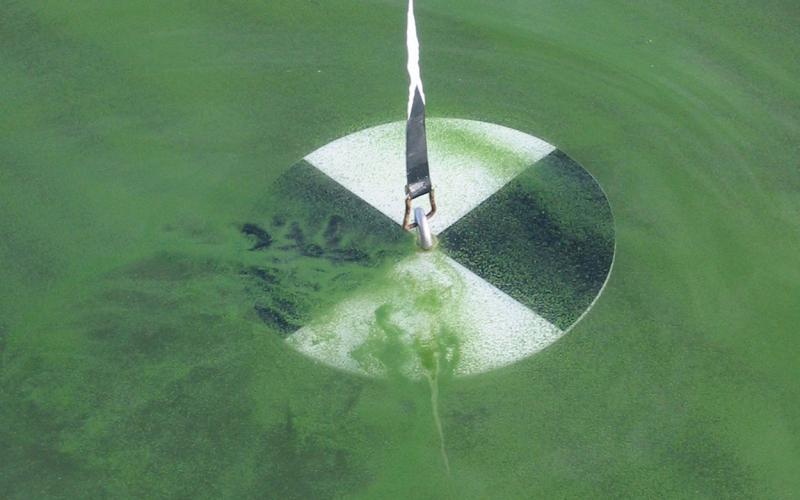
The Trophic State Index
The Trophic State Index is a means for lake professionals and volunteers alike to numerically measure the productivity of a natural lake or man-made reservoir. Learn how it's used in South Dakota to survey the condition of our water resources.

Registration Open for the 2022 Eastern South Dakota Water Conference
September 21, 2022
Registration is open for the 2022 Eastern South Dakota Water Conference to be held on Wednesday, Oct. 12, at the McCrory Gardens Education and Visitor Center in Brookings, South Dakota.
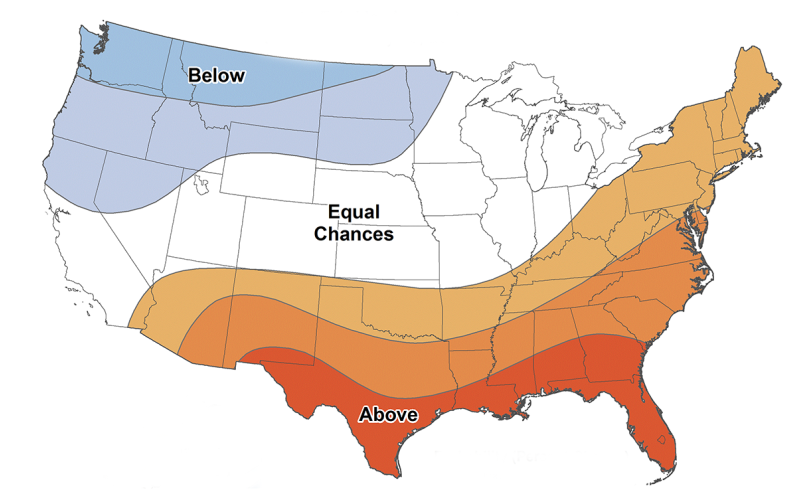
La Niña’s Third Year Concludes With Cold Temperatures
A rare, third consecutive year with La Niña conditions is coming to an end, but not without bringing cold temperatures in early February. See what to expect for the rest of winter and early spring with an analysis of the NOAA's latest climate outlook.