Search
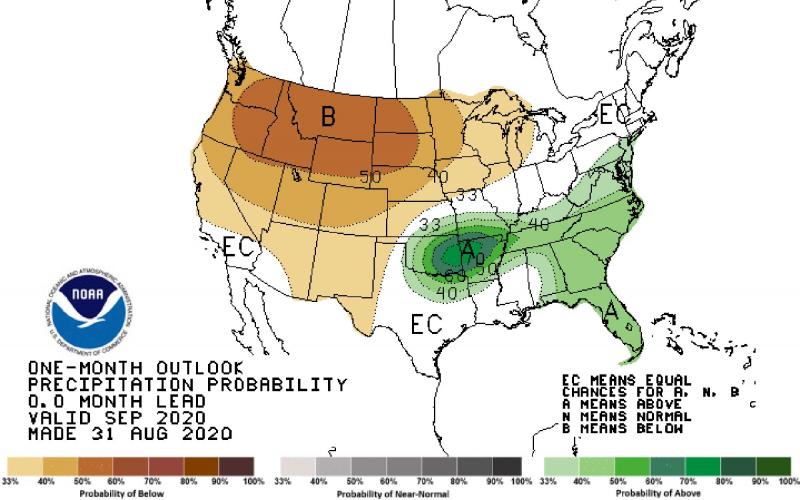
September 2020 Climate & Drought Outlook
Summer has its last hurrah the first week of September before we see potential for our state’s first freeze of the fall season, according to NOAA’s Climate Prediction Center.
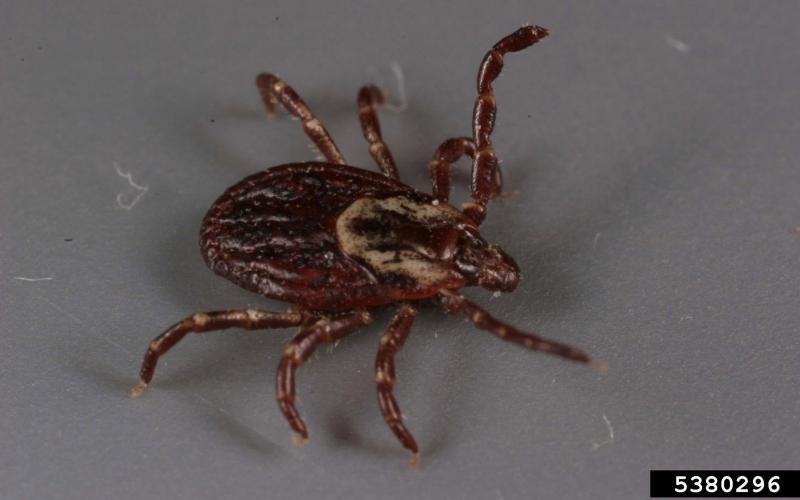
Ticks Becoming Active in South Dakota
The arrival of spring in South Dakota means warmer weather and more outdoor activities. However, it also brings an increase in tick activity.
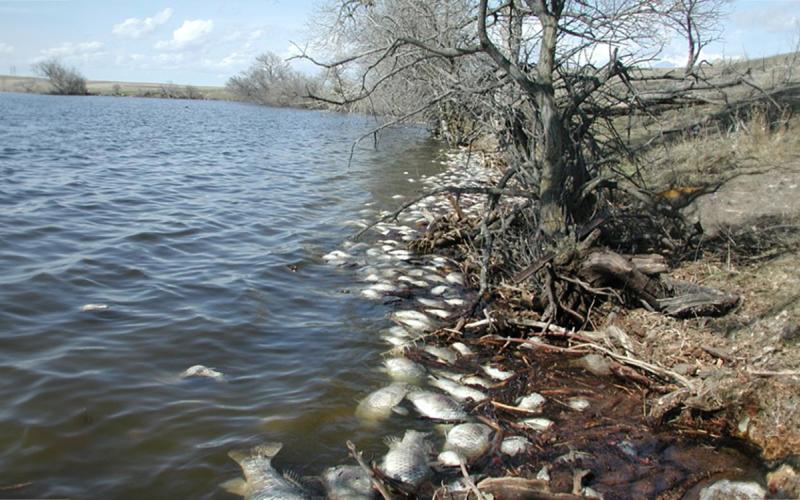
The Most-Common Cause of Fish Kills in South Dakota
There are many ways for fish kills to occur in freshwater lakes, but the most-common cause by far is dissolved oxygen depletion. Learn about some of the seasonal and environmental factors that can lead to oxygen depletion.
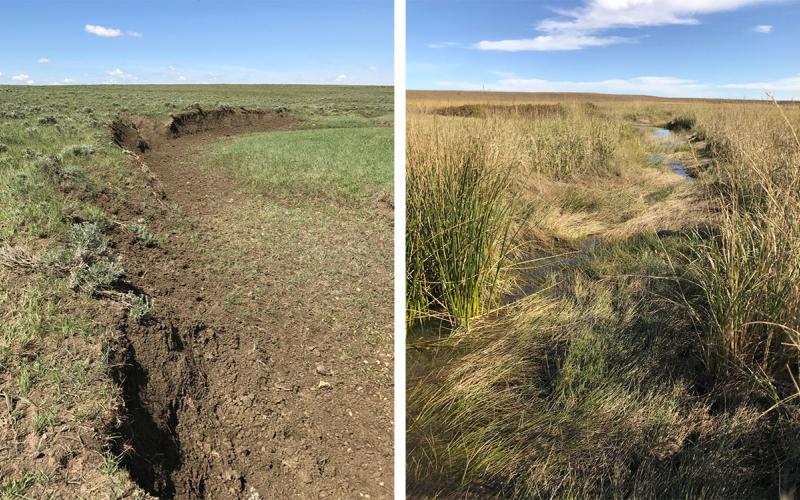
Ranching and Prairie Streams: What Healthy Riparian Areas Mean for Your Ranch
Prairie streams and their associated riparian areas can provide numerous ecosystem services to a ranching operation.
The Importance of Riparian Areas
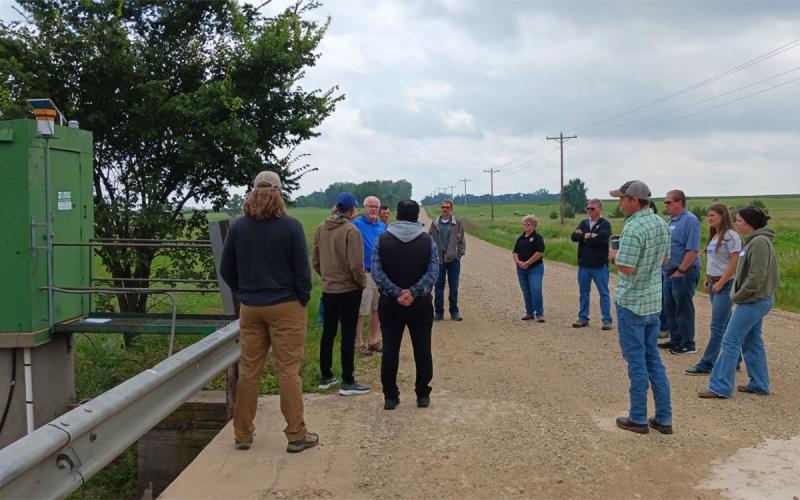
Riparian areas occur along streams, rivers, wetlands, lakes, and shorelines and can be considered the last line of defense before pollutants enter a body of water. Learn about the many benefits these areas offer and the programs available to support their conservation.
Springtails Are Active in South Dakota
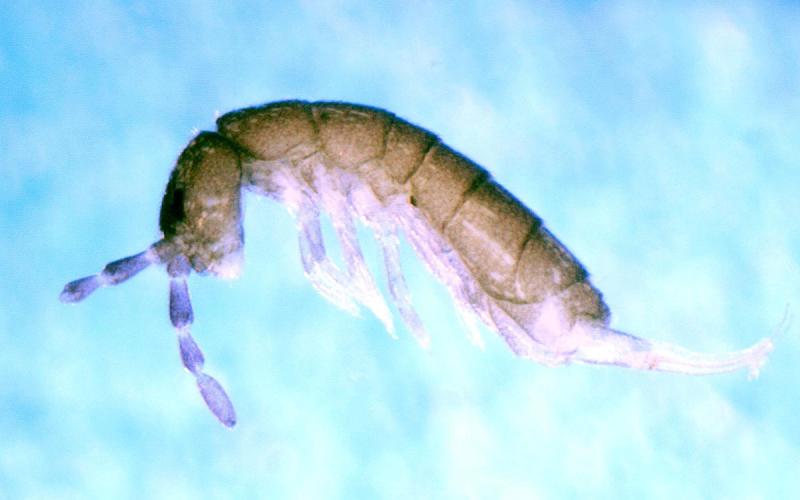
Recent reports of seemingly millions of very small insects moving around on driveways and around homes was the result of a springtail population boom. Springtails typically become a nuisance during drought conditions or saturating rains.
Bulk Density is an Indicator of Soil Health
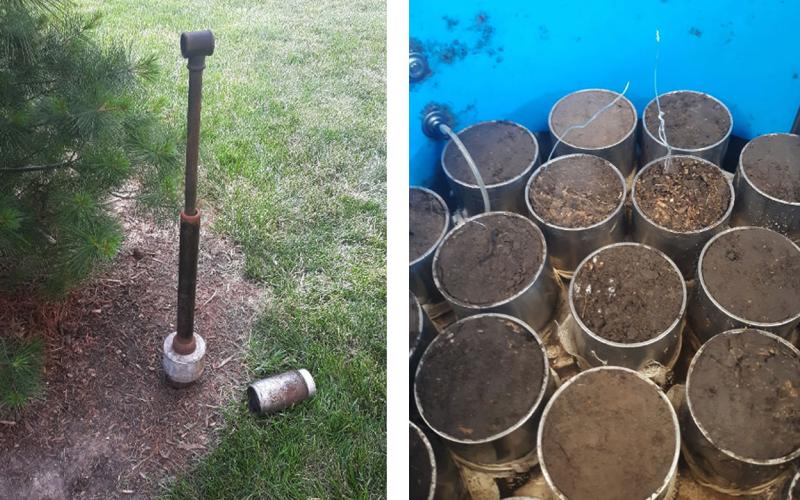
Bulk density is a commonly measured soil property that can indicate how compacted a soil is and can be used to calculate the percent pore space in the soil.
South Dakota Agricultural Land Soil Productivity Tool
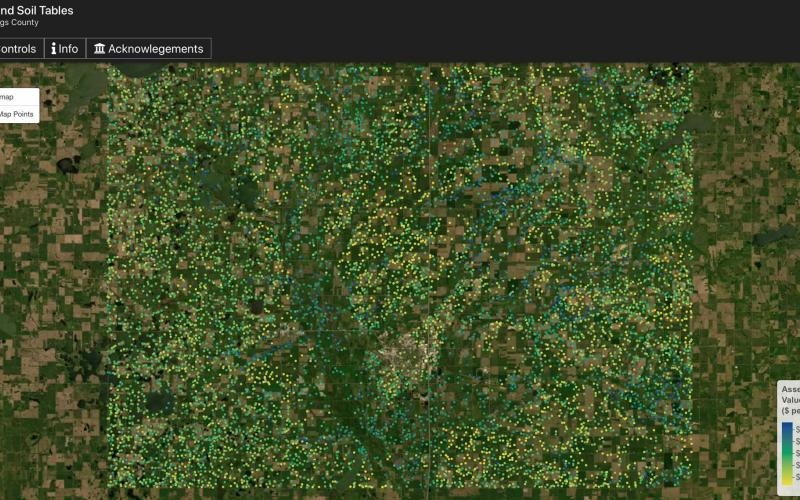
The Ag Land Soil Tables Tool allows users to view soil data and download data by county to further understand the soil rating system. It can help appraisers make baseline agricultural land assessments and determine if adjustments from baseline are needed.

Yellow Sweet Clover: Information and Management
Sweet clover is an opportunistic plant that is going to be abundant in pastures and hay fields when growing conditions are favorable, ideally for two consecutive years. Although it can cause problems, it is valuable to wildlife and pollinators and is a nutritious forage source.
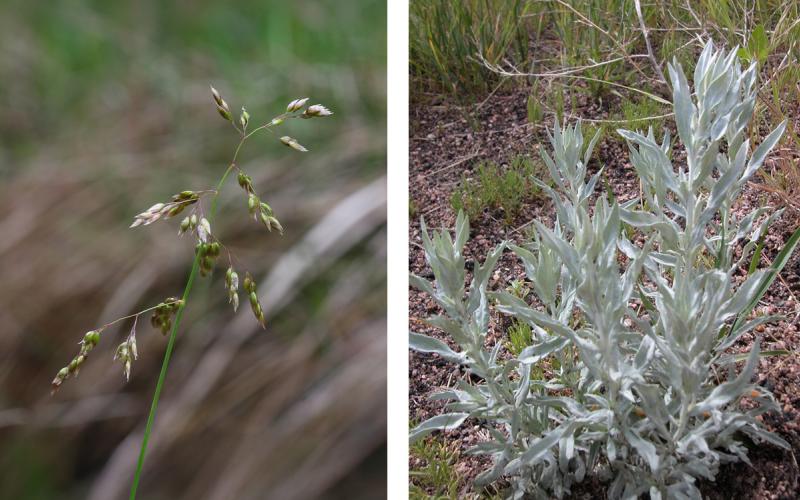
Sweetgrass and White Sagebrush: Native Plants with Medicinal Uses
Many native prairie plants have been used medicinally for generations by the Indigenous peoples of the Northern Great Plains. Sweetgrass and white sagebrush are hardy perennials that have a variety of uses and deep historical significance.