Search
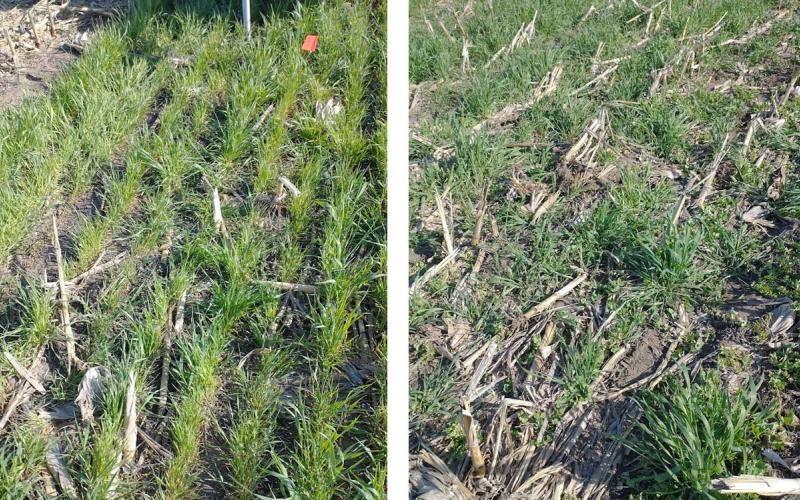
Choosing Whether to Preharvest Broadcast Vs. Post-Harvest Drill Cover Crops
Cover crops are frequently planted following the harvest of the grain commodity crops. A decision for producers to make is to whether to preharvest broadcast or postharvest drill the cover crop.
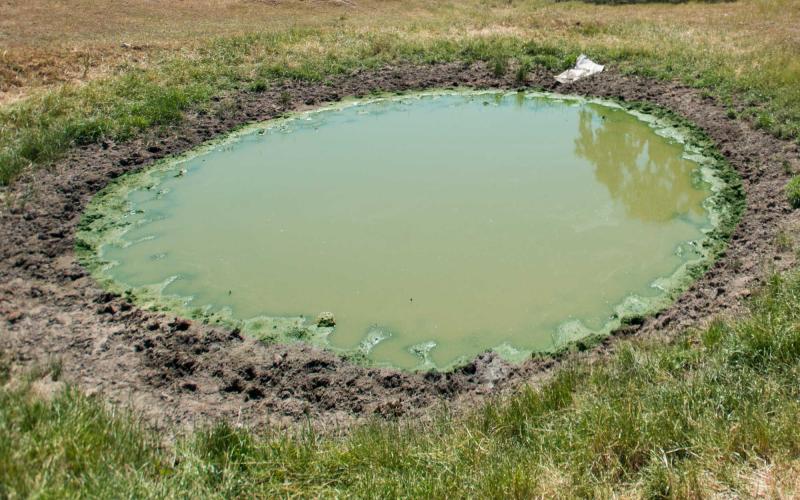
Blue-Green Algae and Livestock
With warmer temperatures, the conditions are right for blue-green algae blooms. Different species of blue-green algae contain various toxins, which can poison livestock, resulting in rapid death.
Water Use by Plant Stage
Over the growing season, solar radiation, air temperature and plant size are the dominant factors in determining evaporative demand and the rate of water use by wheat. Water use can vary dramatically on a day-to day basis, depending on climate and wheat health.
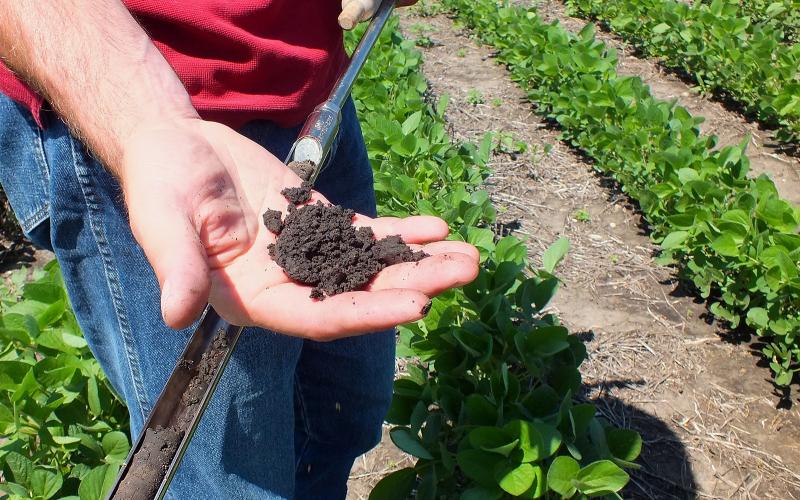
Soil Testing Labs
This page contains a list of nearby state or private laboratories that can be used for crop production fields, gardens and lawns.

Soil Testing for Vineyards in South Dakota
Not all soils are conducive to growing quality grapes, so prospective vineyard sites should be tested before a decision is made to plant grapes. Tests can identify soils that are either too high in pH, salts, or salinity, or that are “too rich” (too high in organic matter and nitrogen) for grapes. In addition, testing before planting allows for the incorporation of nutrients—such as phosphorus—that do not move easily through the soil to plant roots.
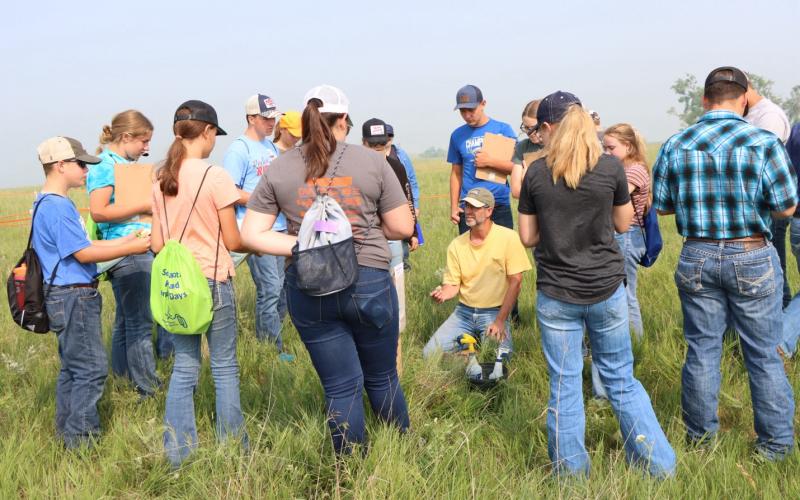
Annual youth Rangeland and Soils Days set for June 12-13 in Watertown
March 04, 2024
The 40th annual Rangeland and 19th annual Soils Days for youth is June 12-13, 2024, in Watertown.
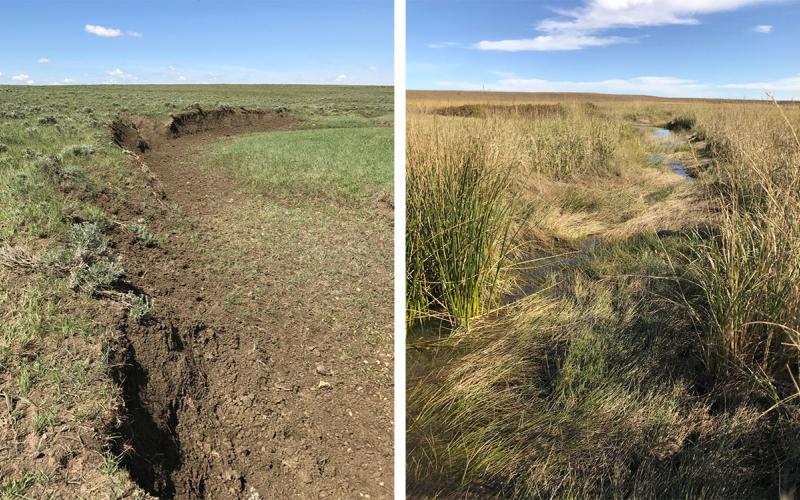
Ranching and Prairie Streams: What Healthy Riparian Areas Mean for Your Ranch
Prairie streams and their associated riparian areas can provide numerous ecosystem services to a ranching operation.
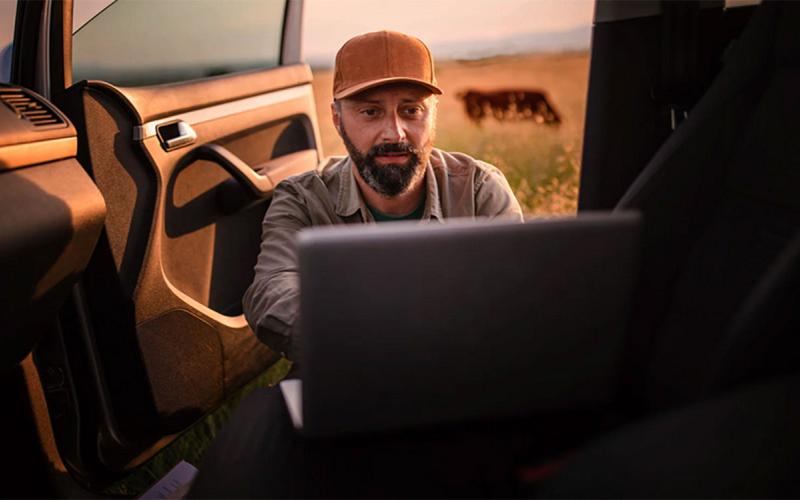
Online Tools To Help With Rangeland Drought Planning
Learn about some free online tools that producers can use to assess drought conditions, evaluate forage resources, and manage herds through periods of abnormally dry weather.
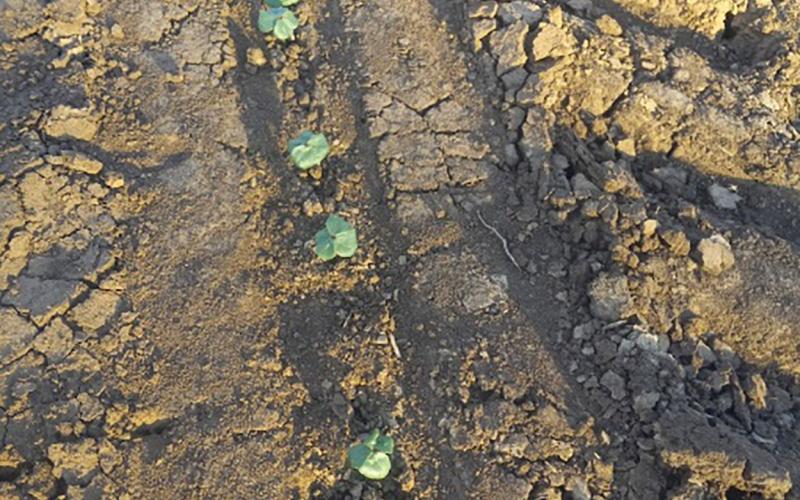
Accounting for Soil Wetness Prior to Conducting Farm Operations to Minimize Compaction
In the spring many agricultural producers are anxious to get into the field and perform tillage, planting, and chemical applications. However, if field operations are done when the soil is too wet, this can lead to soil compaction.
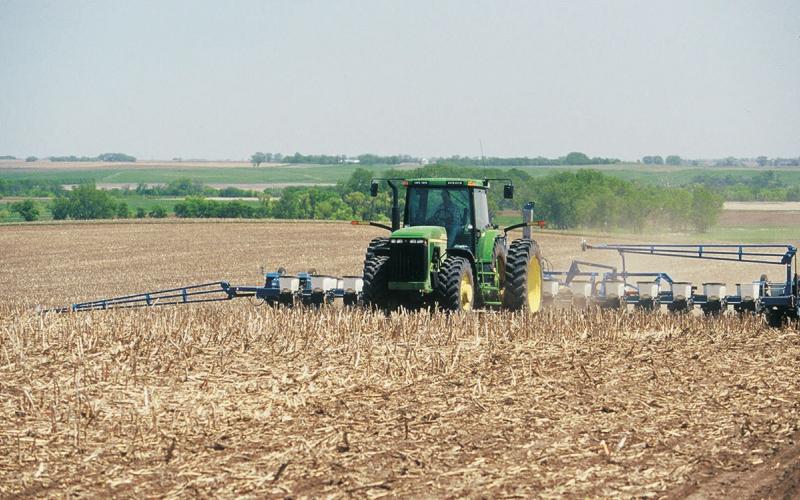
Conservation Practices Increasing in South Dakota
The recently released Agricultural Census data of 2022 shows that the share of cropland acres under conservation practices has continued to increase in South Dakota.