Search
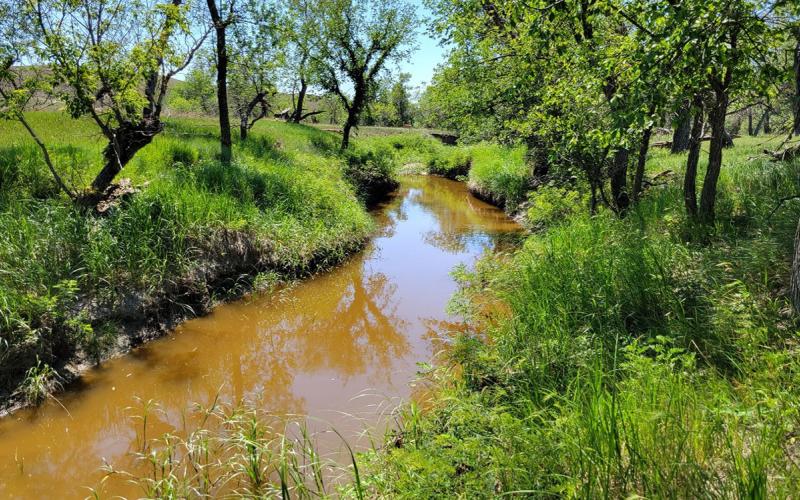
Ranching and Prairie Streams: Why Riparian Areas Matter
For many producers, riparian pastures are essential to their operations. However, land managers need to balance grazing and utilization needs with riparian health for the long-term benefit of their operation.
Western South Dakota Stream Guide now available for landowners, managers
January 24, 2023
A new manual, “Understanding Western South Dakota Prairie Streams” – or the Stream Guide – is now available as a free digital download.
Water Conservation and Efficiency During Times of Drought
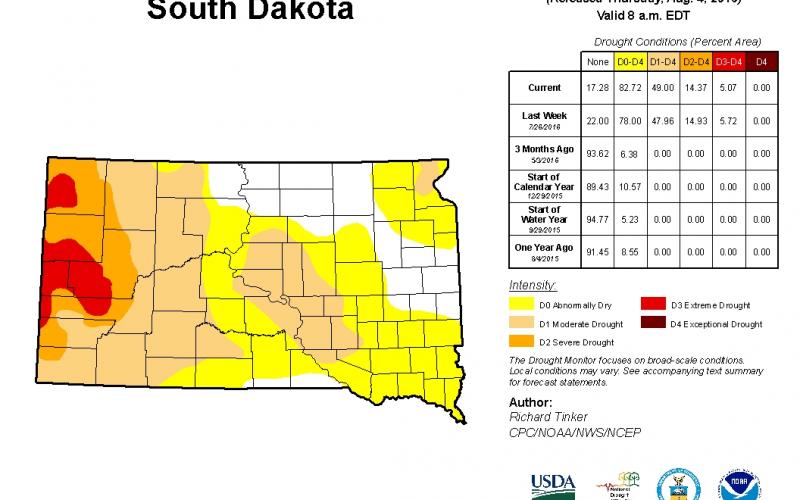
As drought conditions continue to expand across the state this year, more thought is given towards South Dakota’s limited water resources. We live in a state where weather conditions and rain patterns seem to comfortably exist at the extremes; we either have way too much or nearly not enough. While this isn’t always the case, it is important to keep in mind that our water resources are finite and all of us should be thinking about doing what we can to protect them.
Register now for spring 2023 Landowner Prescribed Fire Training
March 06, 2023
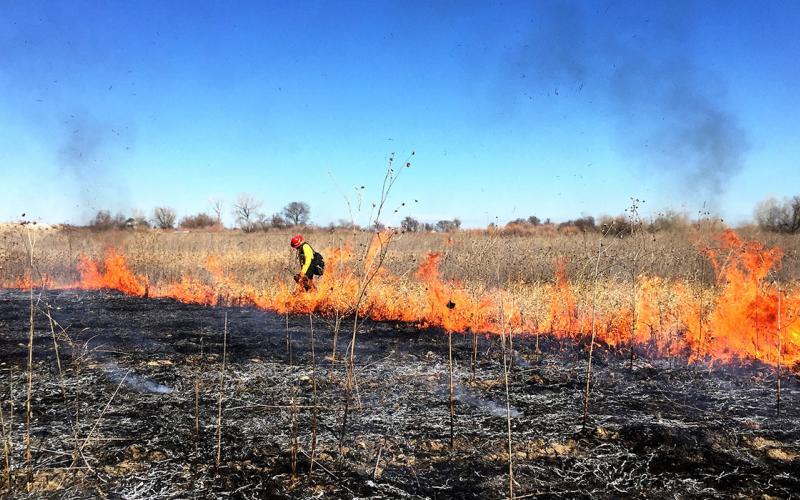
The South Dakota Grassland Coalition, in partnership with SDSU Extension and the Natural Resources Conservation Service, will host several free Prescribed Fire Training sessions tailored to private landowners.

SDSU Extension program leader receives Society for Range Management Fellow Award
March 13, 2023
The Society for Range Management recently named SDSU Extension Agriculture and Natural Resources Senior Program Leader Sandy Smart a 2023 Fellow Award winner.
Grass Tetany: Now Is the Time To Prepare
Grass tetany is a metabolic disorder associated with grazing lush, rapidly growing pastures. Learn the factors that influence its progression along with tips for preventing and managing it in herds.
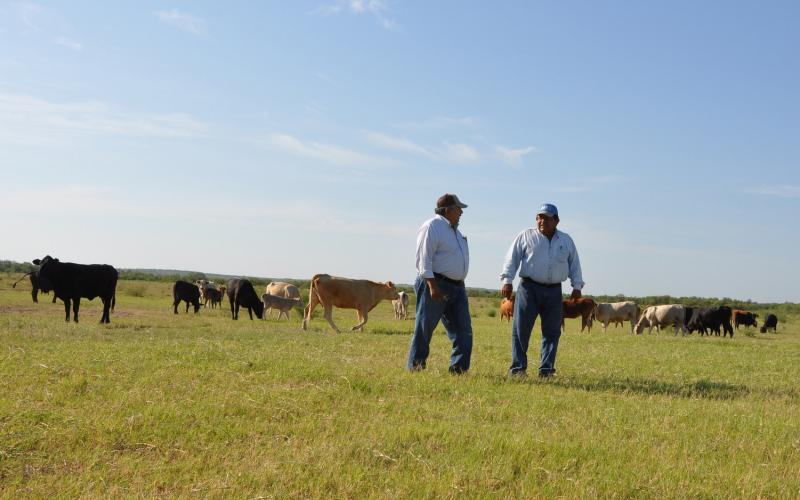
Rotational Grazing Benefits: South Dakota Producer Perceptions
To better understand producer perceptions on rotational grazing, we sent out 1,500 surveys to South Dakota ranchers inquiring about adoption status and perceptions of rotational grazing.

Junior Arborist Activity Guide
The Junior Arborist Activity Guide provides objectives, content, equipment and supplies needed to complete 8 modules of arboriculture instruction, helping schools and other educational programs to create a youth arboriculture program of their own.
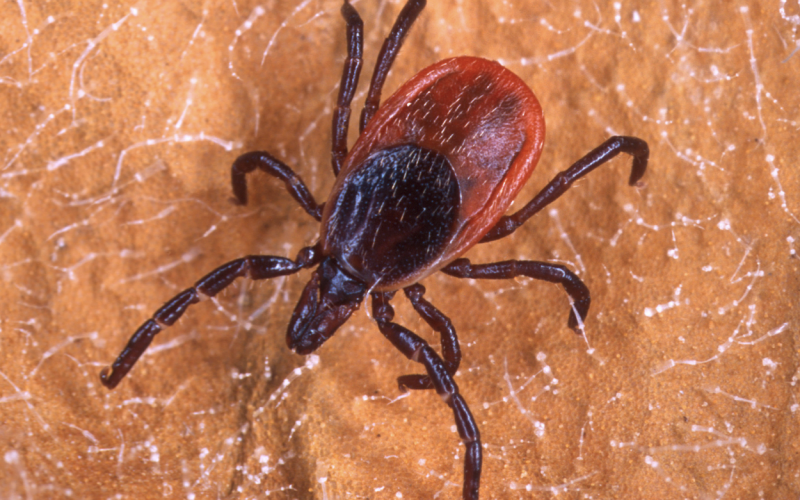
Protecting Yourself From Ticks
During wet springs, tick populations tend to thrive in South Dakota. These parasitic arthropods require blood to fulfill their nutritional needs and commonly use humans as a host. Some ticks can also carry bacterial diseases that are a threat to human health.

Watch Corn for Bronzed Cutworm Activity
Bronzed cutworms are not a common pest of corn in South Dakota. However, they can become an issue when corn is planted into areas that were previously grassland. Like its name implies, bronze cutworms feed on corn above the soil surface, which often results in cutting or clipping.