Search
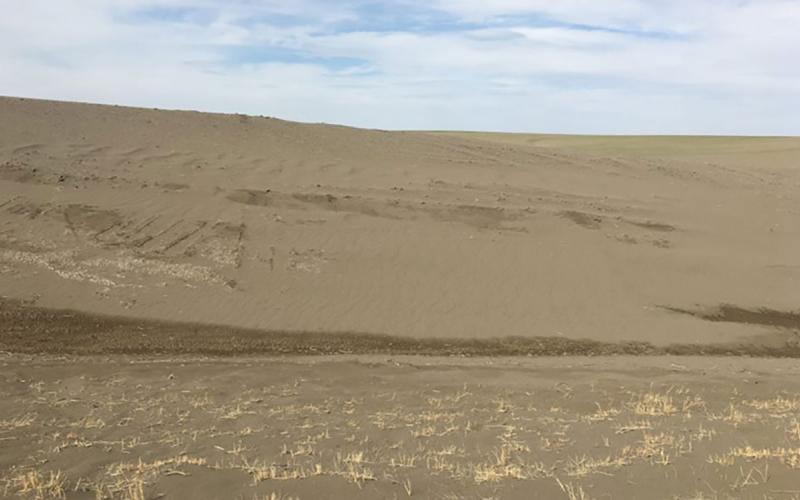
Impacts of Drought on Soil, Water, Forage and Livestock Grazing Systems
Grazing systems are complex, because soil, water, forage and livestock components are interconnected and affect each other. Producers can put themselves back in the driver’s seat by developing annual systems-level grazing plans for favorable and unfavorable situations.
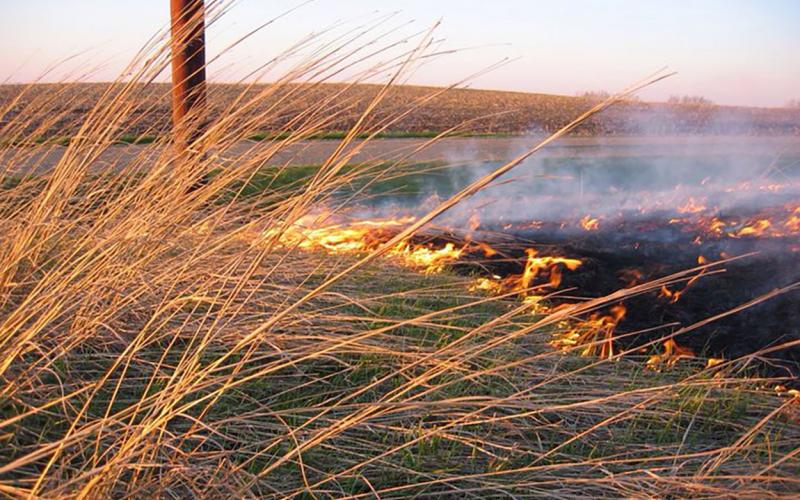
Fire as a Management Tool
When planned for and implemented appropriately fire is a tool that can have tremendous benefits to your grassland community.
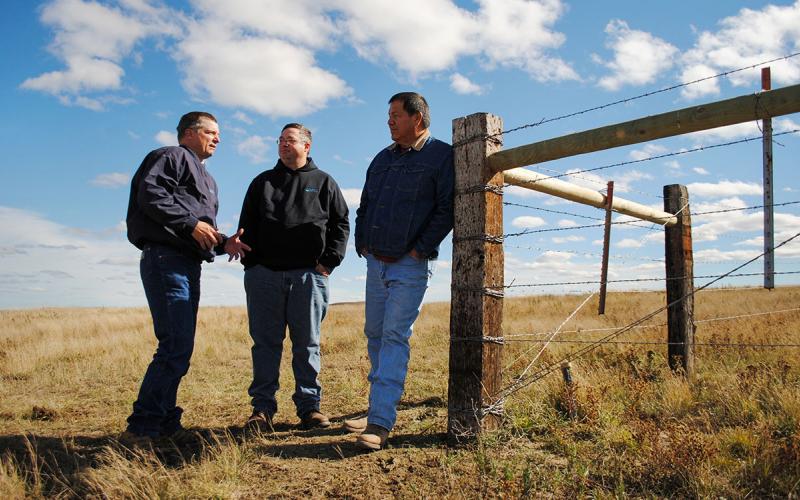
Fall Is the Time To Plan for Fire
Fall is the time to begin planning for spring prescribed fire. This article examines the three primary components to a successful burn: burn unit preparation, burn planning and burn implementation.
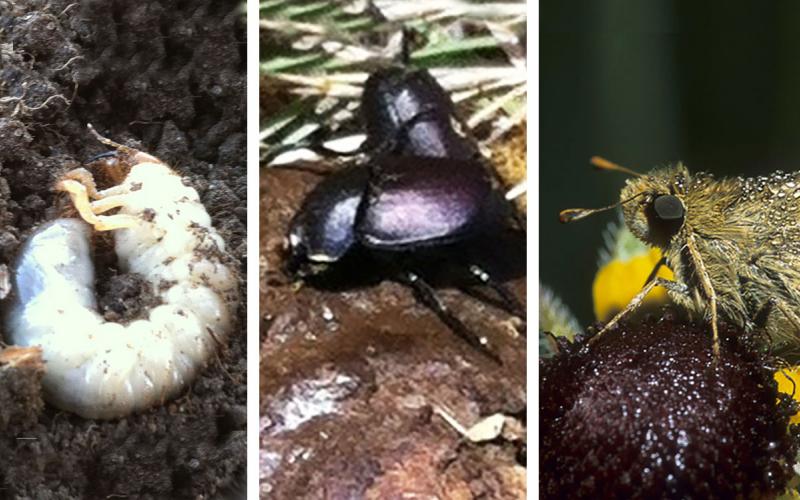
Rangeland Insects Are Critical Indicators of System Health
Insects, in general, may offer more indication of rangeland health than any other type of organism. They serve as key building blocks that other organisms depend on.
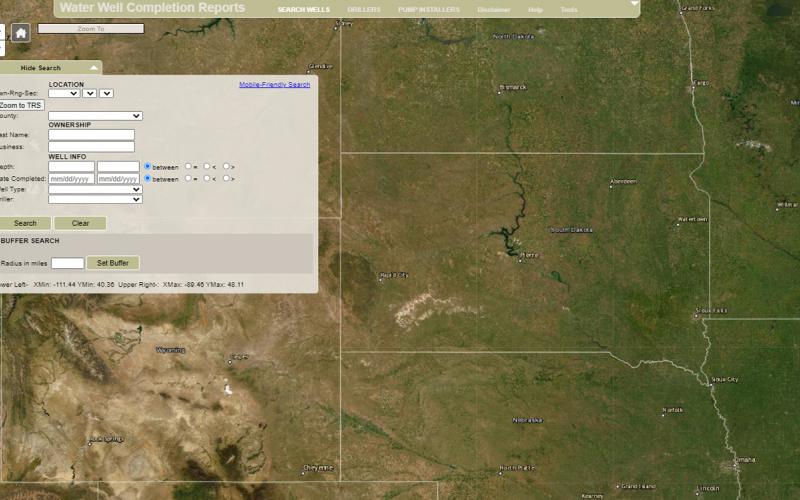
Finding Private Well Completion Reports
For those South Dakota residents that may have an interest in finding information on their private well if they have none, the South Dakota Department of Agriculture & Natural Resources has a database on their website where original Well Completion Reports can be found.
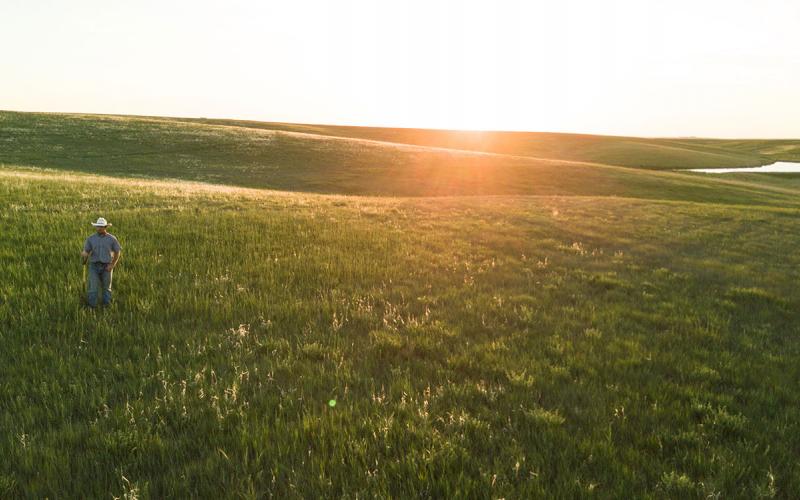
Grassland Fertilization: Terminology and Economics
This article is the first in a series of six focused on helping producers understand the pros and cons of grassland fertilization. We begin by learning some of the basic terminology and information related to fertilization.
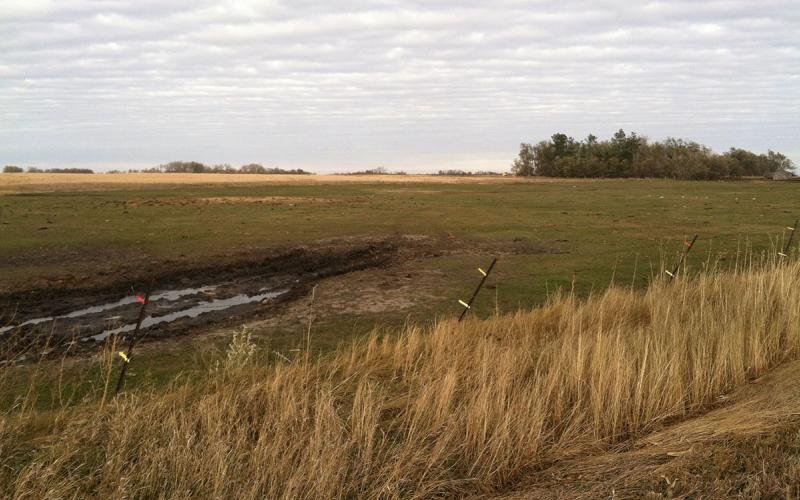
Grassland Fertilization: Native Pasture Case Study - Hamlin County
Whether fertilization pays or not depends on the species present, the past management history and the type of grazing strategy. This study compares two very different plant communities that represent typical pastures and management schemes in this area.
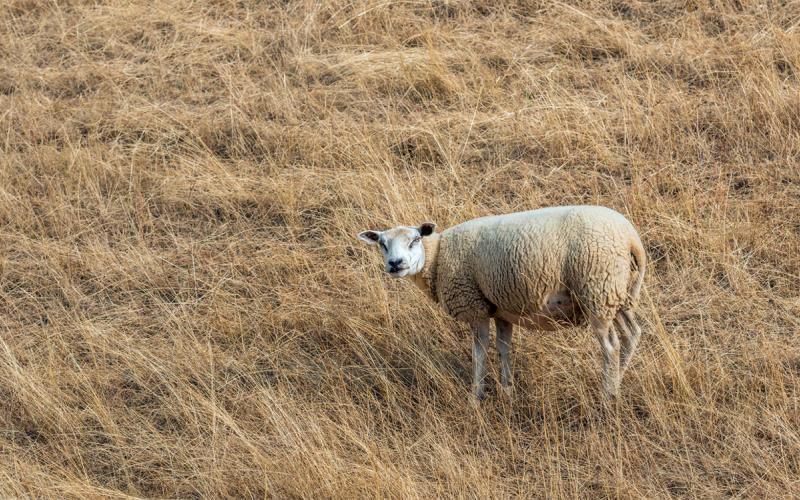
Drought Considerations for Grazing Range Flocks
Having a drought plan in place to best manage pastures is critical in being prepared for next year’s grazing season. Make decisions that will manage risk and promote both flock and financial longevity.

Qualifying Livestock Forage Program Applications
As drought conditions worsen, livestock producers will find feed assistance from the Livestock Forage Program administered by the U.S. Department of Agriculture Farm Service Agency. Learn how to qualify, apply and certify your application for assistance.
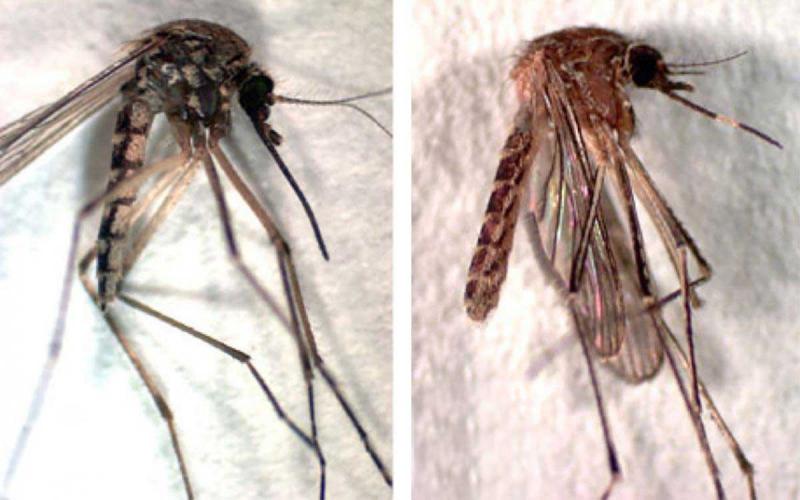
Will Mosquitos Be an Issue During This Summer?
Although it may seem like mosquitos won’t be an issue this year due to drought conditions, it is important to remember that they don’t require large bodies of water to reproduce. Mosquitos can utilize standing bodies of water, small puddles or even stagnant water in containers or old tires.