Search
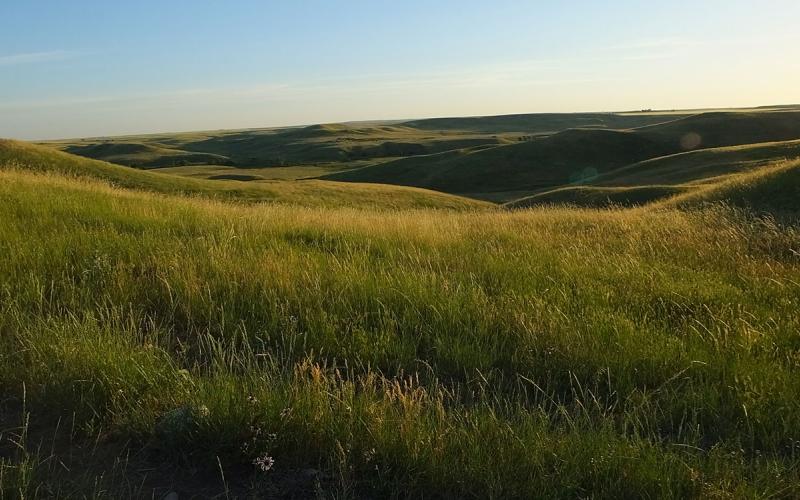
How Much South Dakota Agricultural Land Lost to Development?
Fact sheet on the amount of South Dakota agricultural land lost to development between 2001 and 2021.
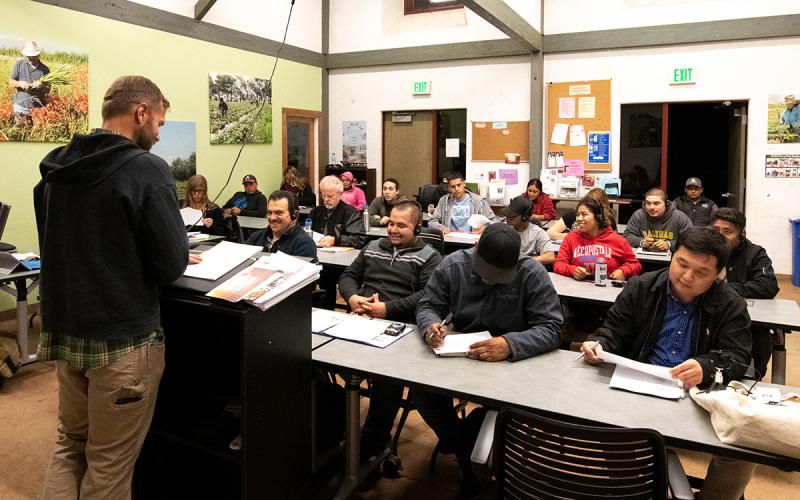
South Dakota Commercial Pesticide Applicator Certification Testing
New commercial pesticide applicators and those that have allowed their licenses to lapse must pass commercial pesticide applicator exams to receive certification. Learn about some some helpful resources, contacts, and tips to help you be successful in your certification testing.
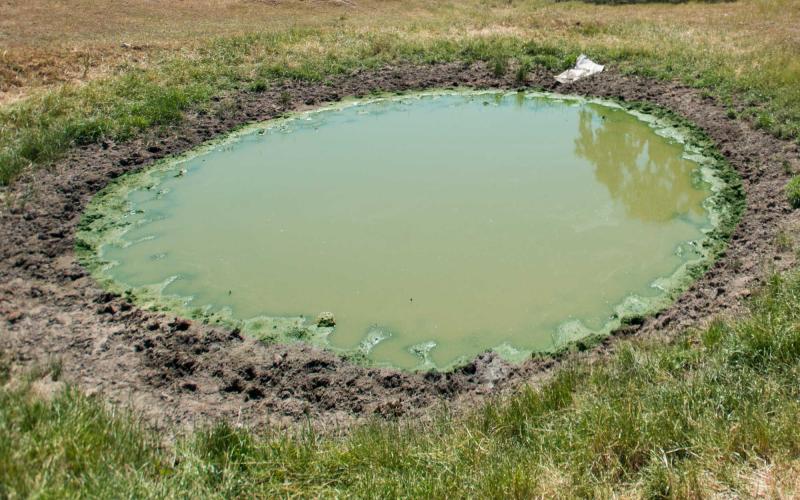
Blue-Green Algae and Livestock
With warmer temperatures, the conditions are right for blue-green algae blooms. Different species of blue-green algae contain various toxins, which can poison livestock, resulting in rapid death.
Youth for the Quality Care of Animals (YQCA) in South Dakota 4-H resources
About YQCA – the national program
Youth for the Quality Care of Animals (YQCA) is a national multi-species quality assurance program for youth ages 8 to 21 with a focus on three core pillars: food safety, animal well-being, and character development. The YQCA program is an annual certification created for youth producing and/or showing beef cattle, dairy cattle, sheep, meat goats, dairy goats, swine, poultry, and rabbits. The program has been designed by extension specialists and national livestock program managers to ensure it is accurate, current and relevant to the needs of the animal industry and shows, and is appropriate for youth learning levels.
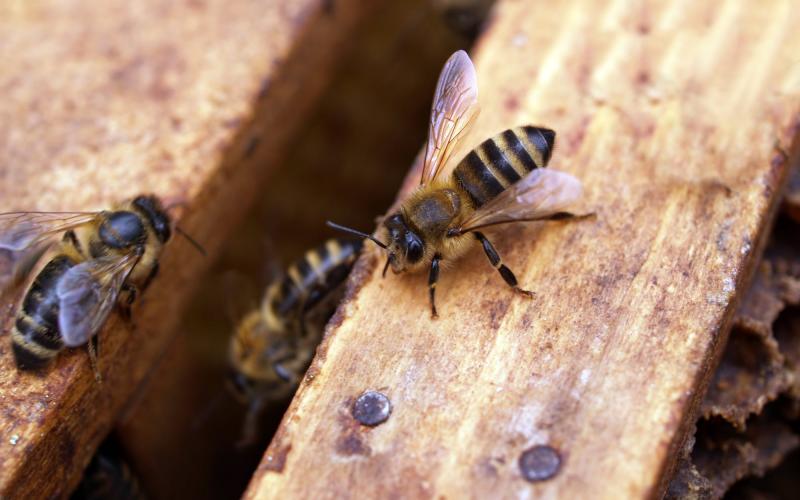
Backyard Biodiversity: Nest boxes for native bees
Many of our native bee species are solitary. In order to ensure that these kinds of bees spend more time in our yards and gardens, it is important to make sure we include places for them to nest.
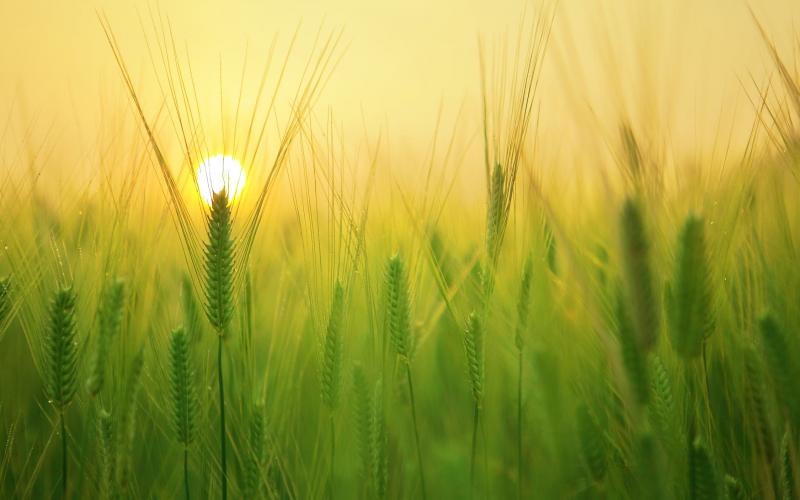
Water Use by Plant Stage
Over the growing season, solar radiation, air temperature and plant size are the dominant factors in determining evaporative demand and the rate of water use by wheat. Water use can vary dramatically on a day-to day basis, depending on climate and wheat health.

Character Links 5 curriculum
4-H Character All Stars will implement the Character Links 5 curriculum for the 2018-19 school year. Within the curriculum five character traits are highlighted: Honesty, Respect, Responsibility, Kindness and Citizenship.
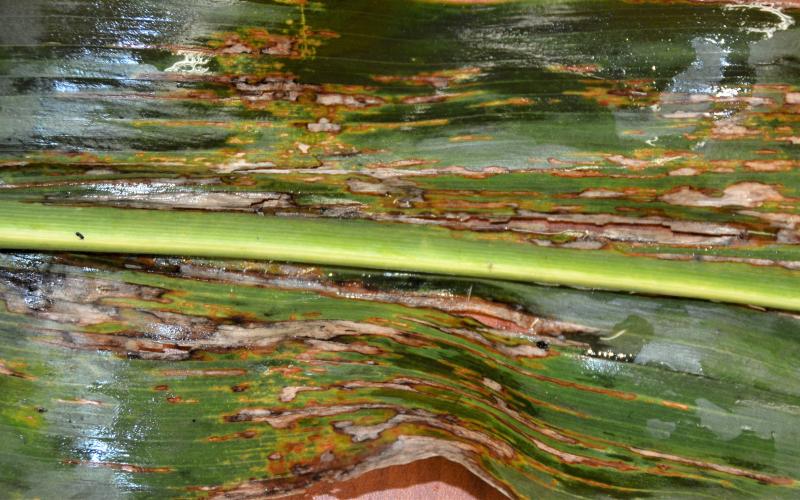
Bacterial Leaf Streak of Corn: A New Corn Disease in South Dakota
Bacterial leaf streak, caused by Xanthomonas vasicola pv. vasculorum (Xvv), is a recently discovered disease of corn in South Dakota. The disease was first identified in Nebraska in 2016 but now has been found in the majority of the Corn Belt states. Under favorable weather conditions bacterial leaf streak can develop to reach yield reducing levels. Like any other bacterial disease, once symptoms develop there is little that can be done to control it in the field. However, it is important to correctly diagnose this as a bacterial disease because it can be confused with gray leaf spot which is a fungal disease.
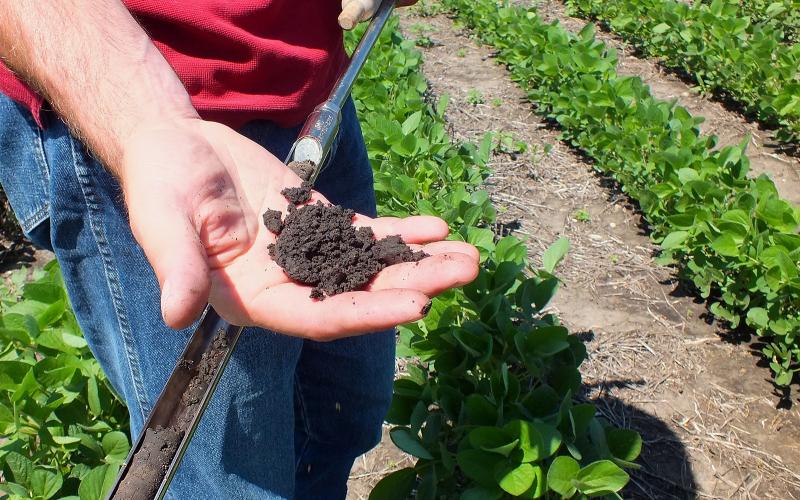
Soil Testing Labs
This page contains a list of nearby state or private laboratories that can be used for crop production fields, gardens and lawns.
Fungicide Resistance: Risk and Management
What is fungicide resistance?
Fungicide resistance can be defined as when a pathogen population is no longer sensitive or has reduced sensitivity to the fungicide that used to control the same pathogen.