Search
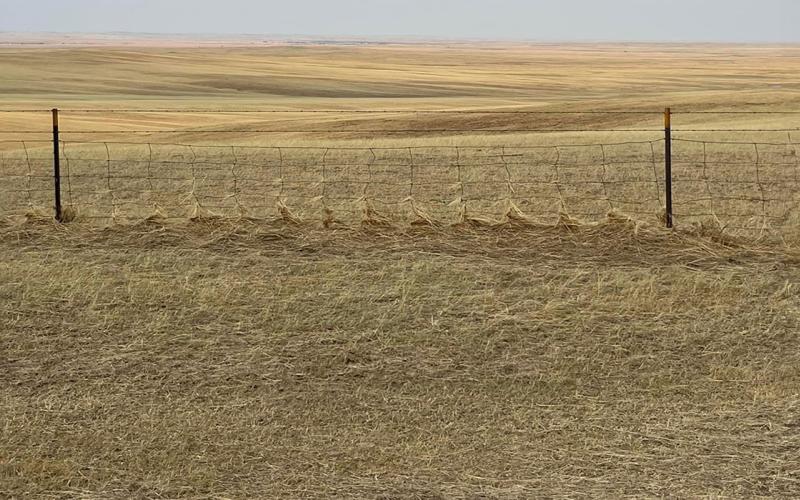
Pasture Recovery After Hail
When hail hits pastures, it essentially strips the leaves and breaks the stems of plants. When this occurs, it is essential to allow plants and grasses time to fully recover before grazing or haying again.
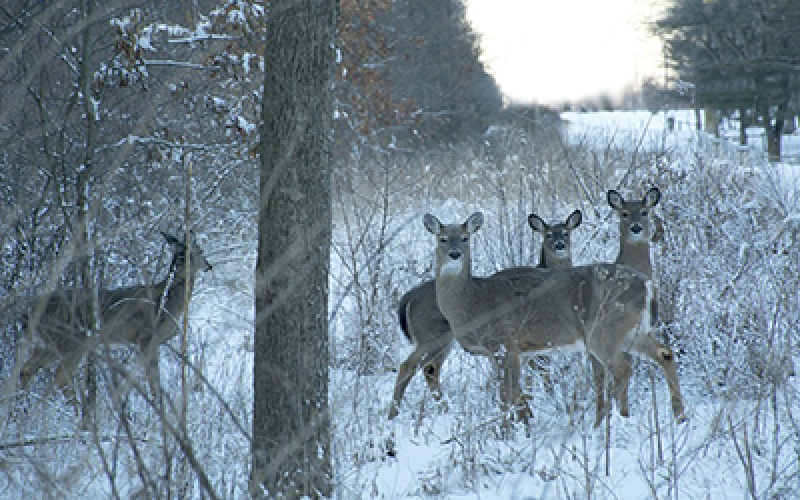
Give the Gift of Conservation This Christmas
The SDSU Natural Resources Management Department and SDSU Extension would like to wish all our readers a Merry Christmas and remind everyone that if you are shopping for a late holiday gift, consider giving the gift of conservation to yourself or someone else.
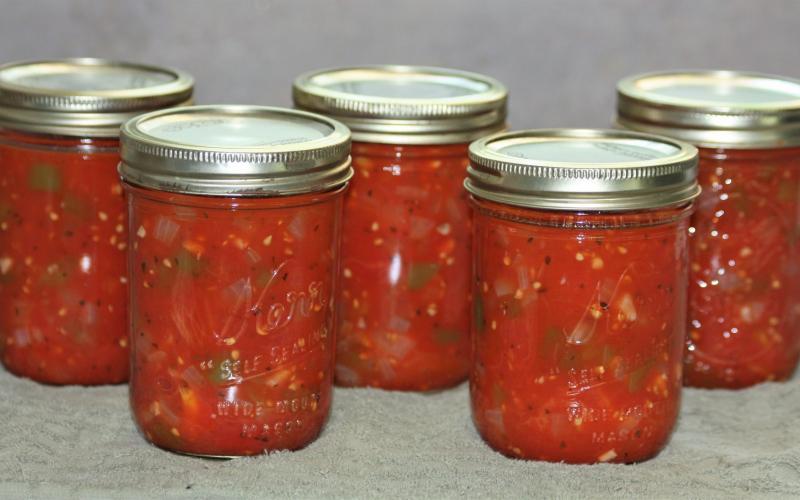
Canning on Smooth Stovetop
Learn about the Dos and Don'ts of canning on a smooth stovetop.

Communications Project
Hot sheet to promote the Communications Project Area to youth while providing tips and tricks on how to effectively prepare a public presentation.
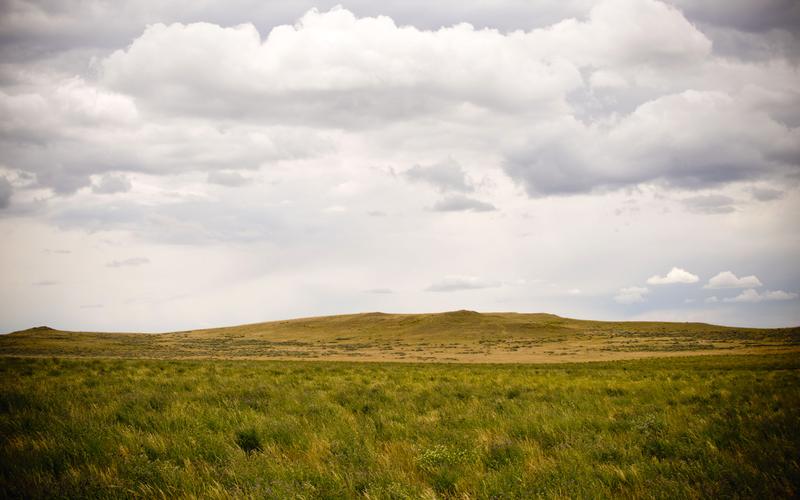
Noxious Weed Control in Pasture and Range
Noxious weed control in pastures is becoming more of a challenge. Most ground commercial spray businesses are no longer spraying pastures. If they are, there may be restrictions on the time they will spray, what products they will spray, or they may only spray if they also have all of the rest of your spraying business.
Historical Trends in South Dakota’s Agricultural Land Values by Land Use
Average cropland and pasture values increased in all regions of South Dakota between 1991 and 2024. Learn some expert insights into South Dakota's regional trends in agricultural land values and rental rates for cropland and pasture/rangeland.

EPA Issues Emergency Order: Stop Using Dacthal
Following a review of data associated with the use of dimethyl tetrachloroterephthalate (sold under the most-common trade name, Dacthal), the EPA has issued an emergency order to stop using this active ingredient effective immediately.
Haying With Wildlife in Mind
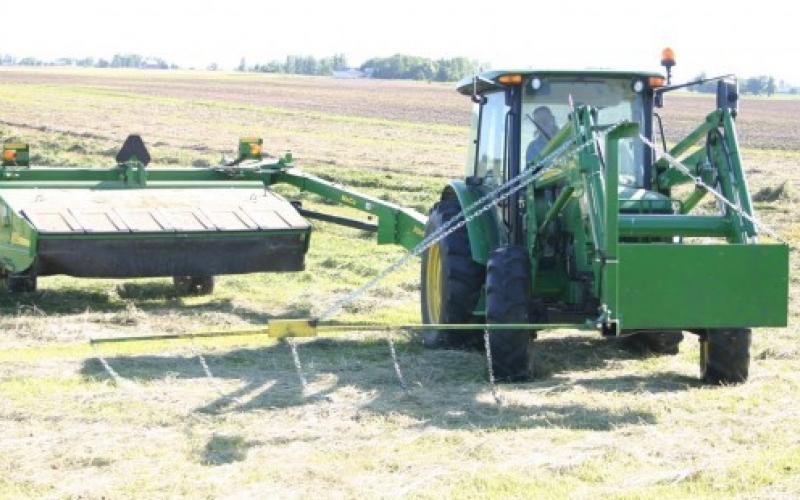
Anyone who has spent time cutting hay knows that hayland can be a magnet for wildlife in late spring and early summer. Hay fields are often considered an “ecological trap” for wildlife; that is, they appear to be high quality habitat for nesting or feeding due to tall, dense grass and legumes, but often lead to increased mortality once harvesting is under way.

Yellow Toadflax Has Not Flowered in Some Parts of South Dakota
Yellow toadflax is a difficult-to-manage weed that infests pastures and rangeland. In contrast with other weeds, yellow toadflax should be sprayed when flowers are present for more-effective management.
Choosing Whether to Preharvest Broadcast Vs. Post-Harvest Drill Cover Crops
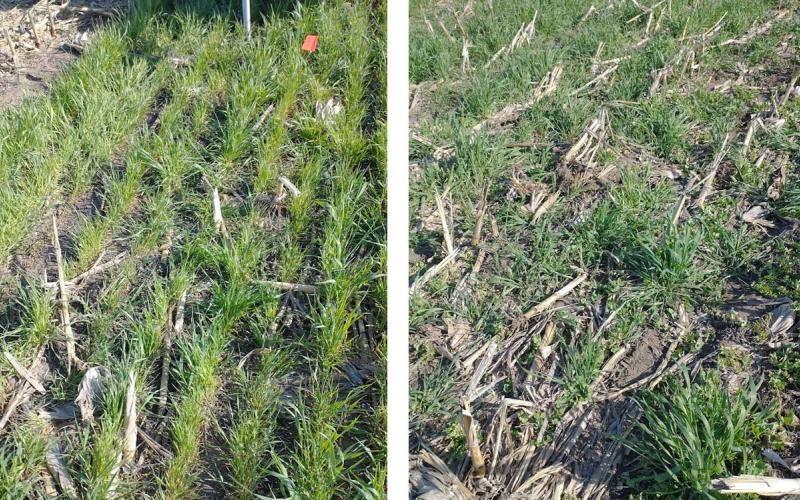
Cover crops are frequently planted following the harvest of the grain commodity crops. A decision for producers to make is to whether to preharvest broadcast or postharvest drill the cover crop.