Search
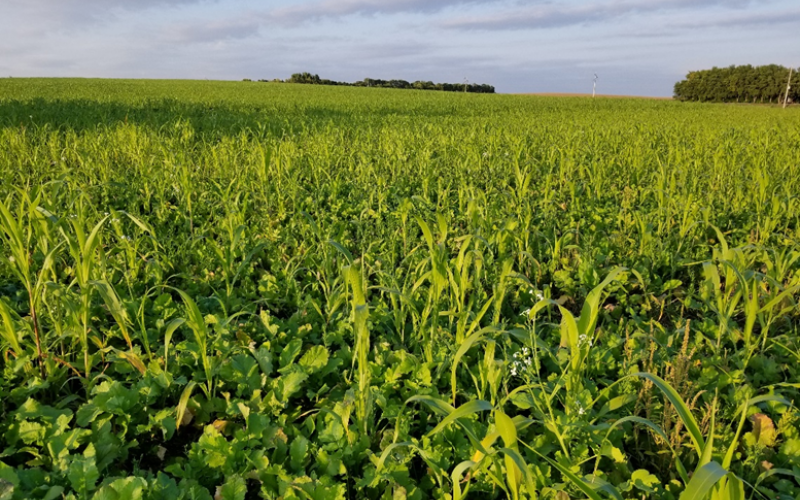
South Dakota Land Use Trends (2012-2017)
Significant education efforts for natural resource conservation have occurred in South Dakota during the last five years. Many stakeholder groups have brought awareness for soil health and water quality to the forefront.
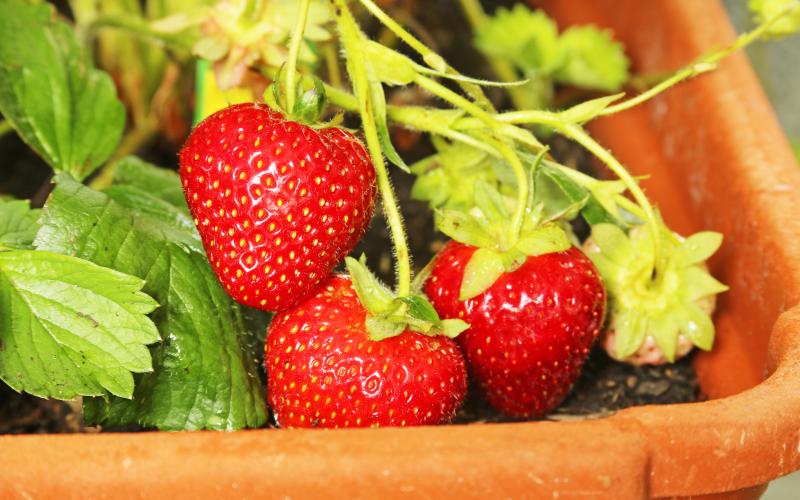
Strawberries in South Dakota
Learn how to grow junebearing or everbearing strawberries in home gardens.

2019 South Dakota Grasshopper Forecast
The USDA Animal Plant Health Inspection Service conducts an annual survey to monitor grasshopper populations in Western South Dakota. In 2018, SDSU conducted a survey to monitor populations in Eastern South Dakota. These previous-year surveys can be used as a prediction tool for where grasshoppers may be an issue during the upcoming season.

Another Piece of the Puzzle? Understanding South Dakota Veterinarian's Response to the Opioid Epidemic
Researchers at South Dakota State University (SDSU) wanted to understand the extent of this problem in South Dakota in order to better prepare veterinary clinics to deal with this epidemic.
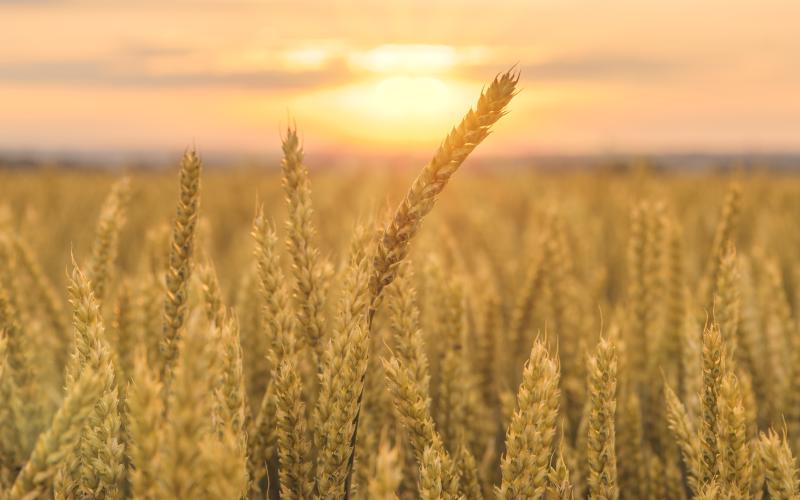
Instinct HL and Nitrogen Management Effect on Winter Wheat Yield
Nitrogen (N) additives to control N losses through volatilization, denitrification, and leaching are widely used in the Midwest. Slowing the conversion of nitrogen fertilizers to nitrate may lessen leaching and denitrification losses if precipitation or soil becomes saturated.
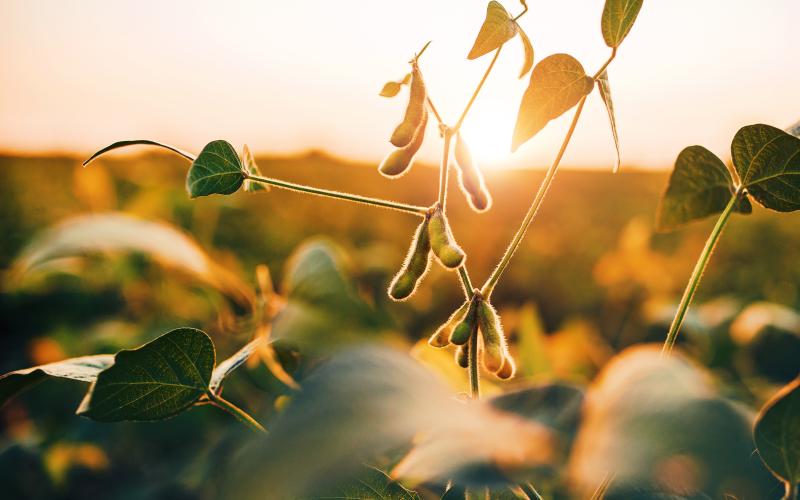
Investigation of Soybean Seed Treatment and Inoculant in Southeastern SD, 2018
Soybean seed treatment products are widely utilized by many farmers in southeastern South Dakota and the surrounding area. These products often consist of an insecticide/fungicide combination, and/or inoculant that is mixed and placed on the seed as a pre-treatment before the grower plants the crop.
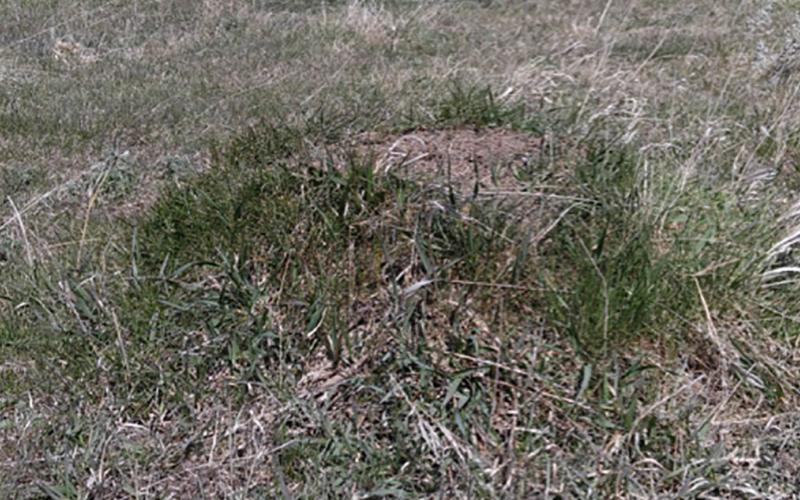
Are Ant Mounds in Pastures Bad?
We often receive reports of large ant mounds in a pastures and rangeland. These mounds are the creation of thatching ants, which are common in South Dakota. Although these mounds are often considered a nuisance, the ants may play an important role as predators of potential pest insects.
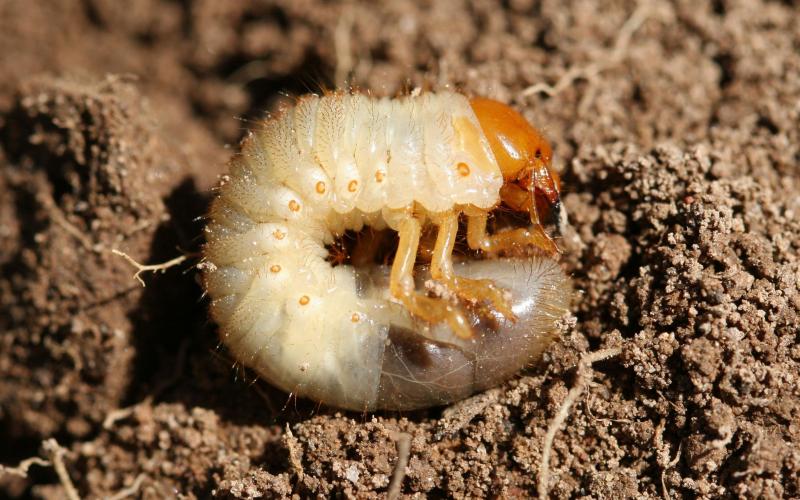
2019 June Beetle Update
In the spring of 2016, we received reports of large populations of June beetles in Central South Dakota, which indicates the start of a new cycle for the grubs. Based on these reports, it is estimated that 2019 will be the big emergence year if the 2016 adults were successful and their grubs survived.
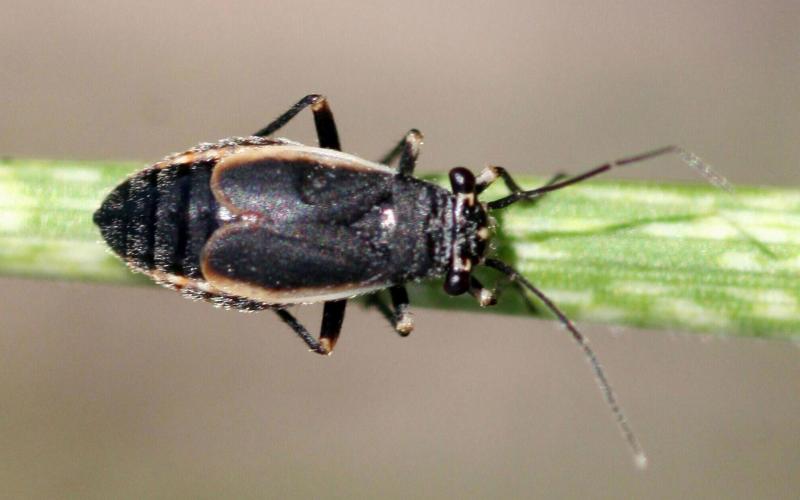
Be on the Lookout for Black Grass Bugs
It’s time to begin scouting pasture and wheat for the presence of black grass bugs. Last year, we saw the highest populations in areas of Central and Southwestern South Dakota. If left untreated, black grass bug populations tend to increase year after year.
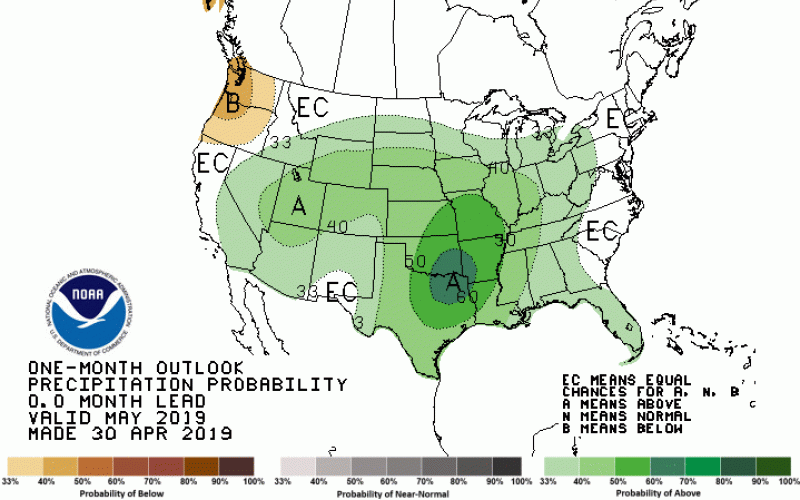
May 2019 Climate Outlook: April Showers Bring May Showers?
The precipitation outlook for May does not show much promise of relief from moisture, as wetter than average conditions are slightly more favored than drier conditions. In addition, cooler than average temperatures are more likely for the first half of May and could continue for much of the month.