Search
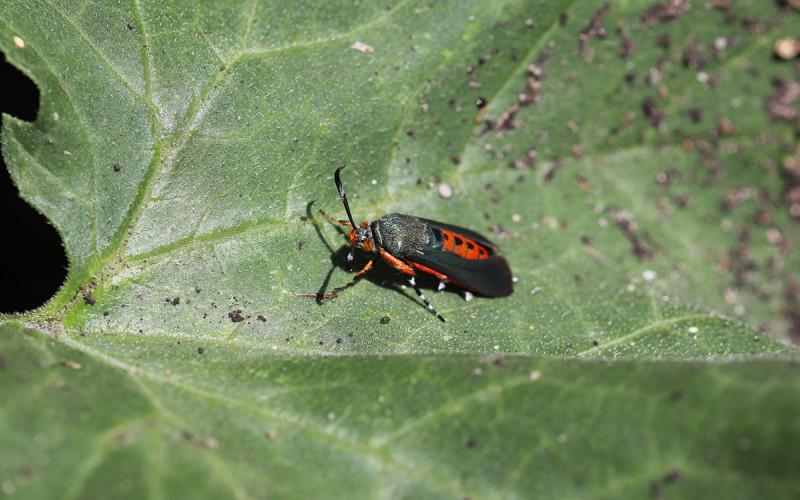
Squash Vine Borer Moths Are Active
Squash vine borer moths have been observed in South Dakota gardens. Now that we know they are active, it is important to take steps to ensure that they don’t have a negative impact on our squash plants.
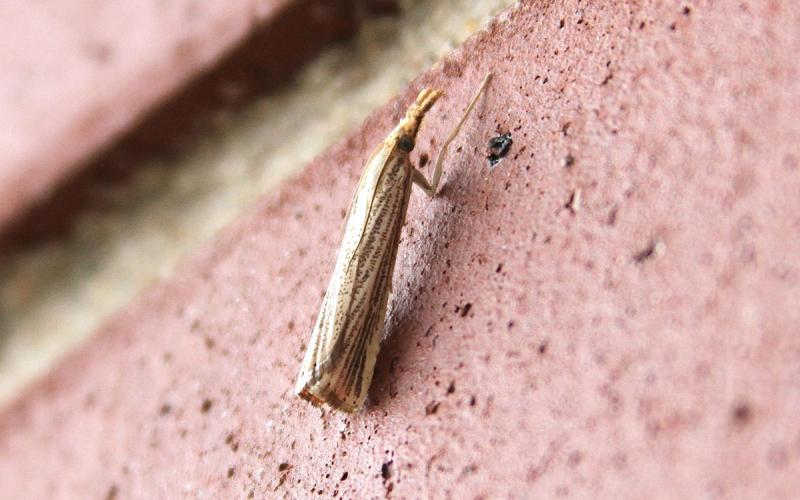
What Are the Little Moths All Over My Lawn?
There have been reports of small, light-colored moths showing up by the thousands in people’s lawns. These moths have been identified as sod webworms, which are now emerging throughout South Dakota.
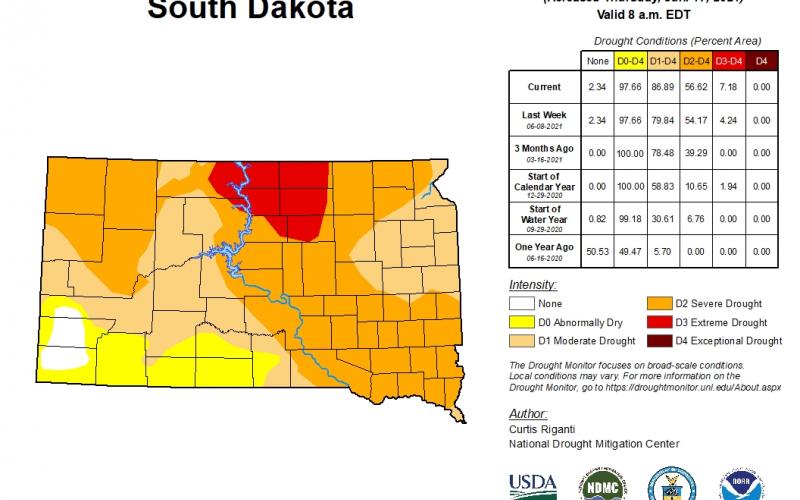
Next SDSU Extension Drought Hour Set for June 28
June 17, 2021
Nearly 90% of South Dakota is now in some level of drought. According to the latest U.S. Drought Monitor, 56% of the state is in the Severe Drought (D2) and Extreme Drought (D3) classifications.
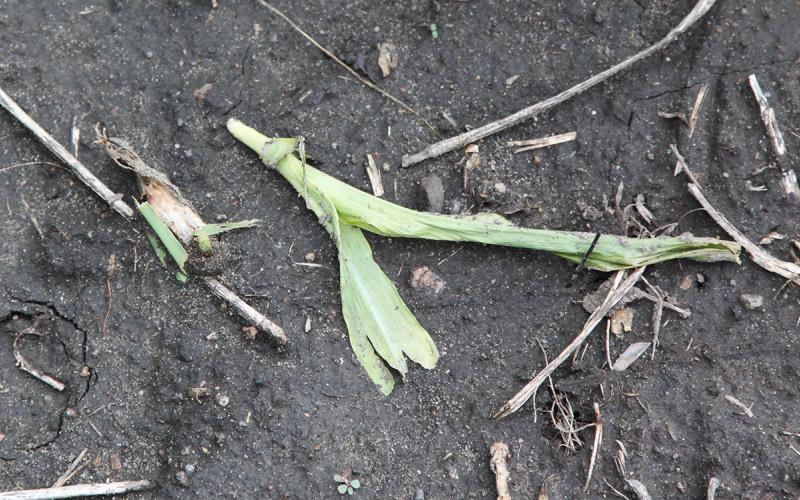
Cut Corn Plants Detected in South Dakota
Cut corn plants have been detected in South Dakota. The damage is due to black cutworm feeding. Although black cutworm caterpillars injure corn by feeding on leaf tissue, the serious damage occurs when caterpillar feeding results in the cutting of young corn plants.
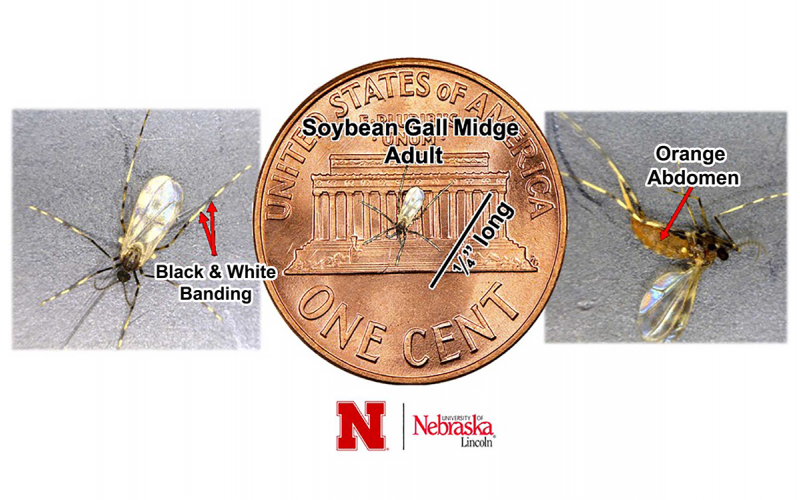
Soybean Gall Midge Adults Captured in South Dakota
Although soybean gall midge adults have been captured earlier this spring in neighboring states, the first adults were captured in South Dakota on June 17. So far, our captures are low with one adult at two locations near Burbank and Meckling.
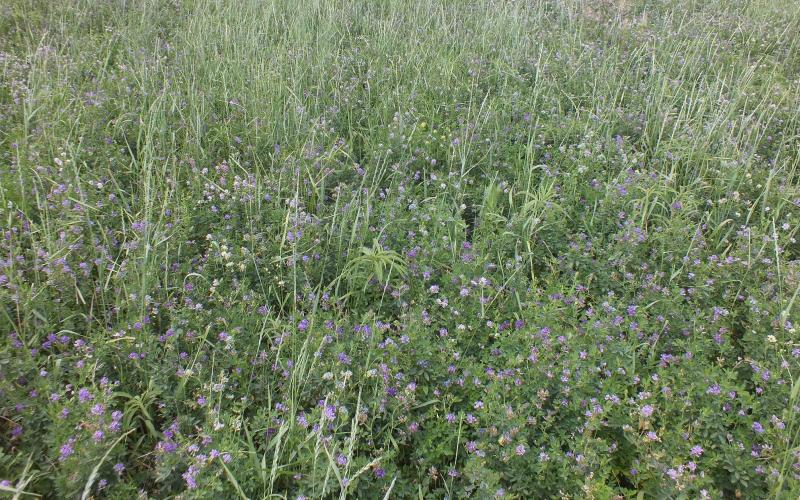
Nitrate QuikTest for Forages
The Nitrate QuikTest for Forages is available at various SDSU Extension locations and veterinary clinics across the state and is designed to be used with standing forages prior to harvesting for hay or grazing.
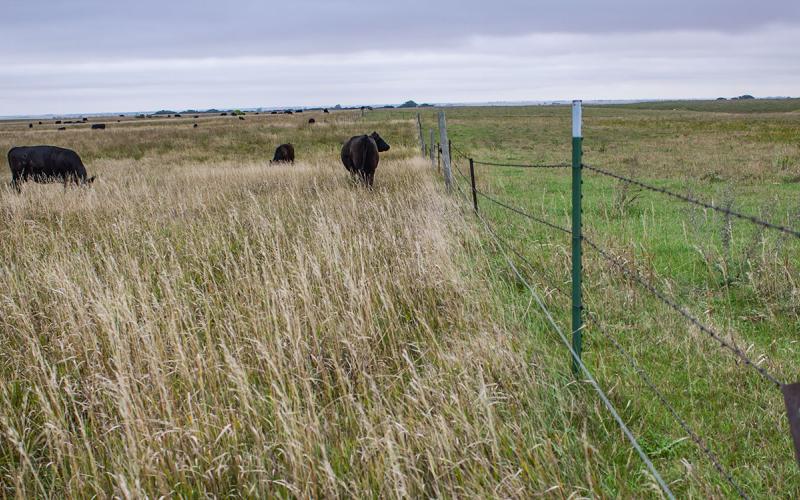
General Principals of Grazing Management
Grazing involves a number of variables, including land carrying capacity, type and distribution of the livestock, water distribution and number of pastures. A combination of proper grazing techniques and grassland management will improve harvest efficiency and lower production costs.
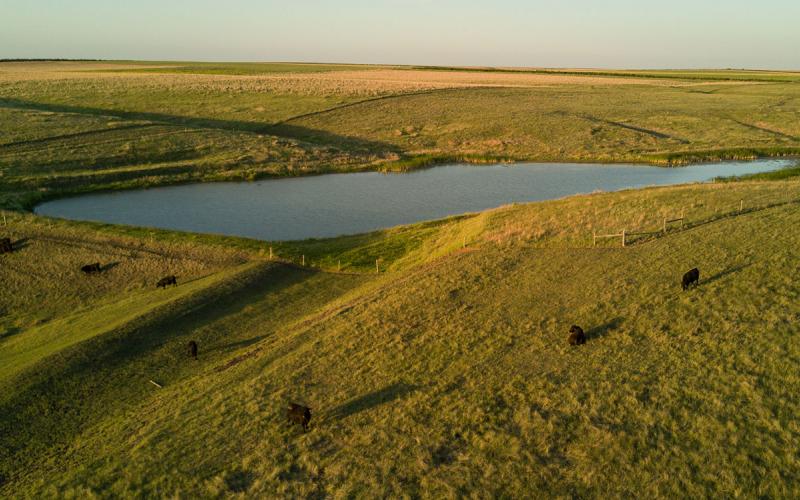
Grazing Systems
According to rangeland and pasture specialists, there are four basic types of grazing systems, including: continuous grazing, deferred rotational grazing, rest rotational grazing and management-intensive grazing.
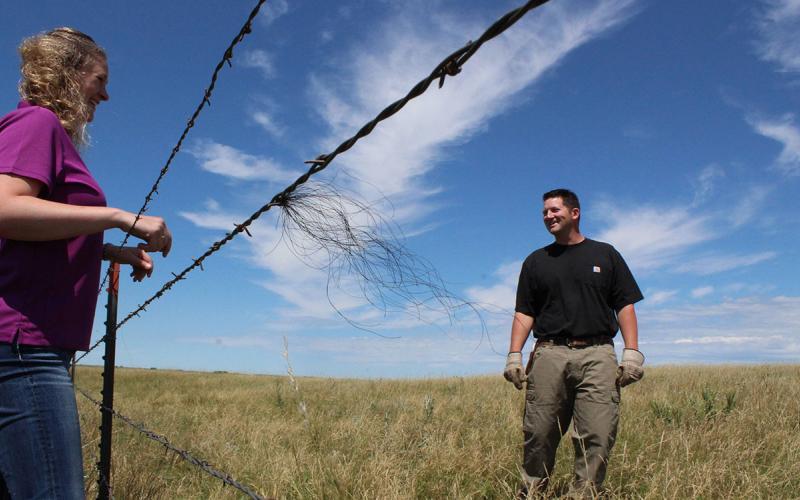
Designing a Grazing Program
The development of a successful grazing management program begins with a mental inventory and an observation of what is happening that you would like to change. Next, consider what you are willing to do to make that change.
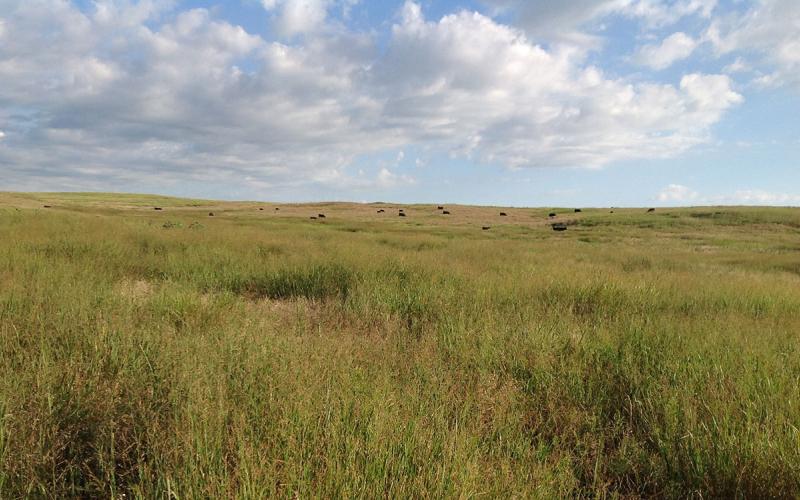
When To Graze and How Much To Graze
While every grazing management system is unique, there are a few similarities between systems when determining when to graze. Learn some of the factors to consider to avoid overgrazing.