Search
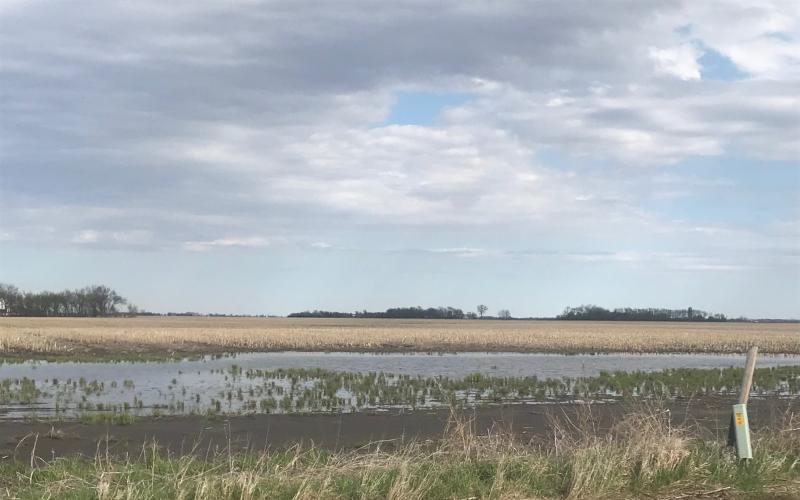
Delayed Planting Challenges: Cover Crop Considerations
High waters and saturated soils across many counties in South Dakota have producers worried about getting their crops planted in a timely manner this spring. In many areas, typical cash crops will not be a possibility. Producers may need to develop alternative plans.

Feeding Drought-Stressed Corn to Livestock
Drought-stressed corn can remain a valuable forage resource when harvested and stored appropriately. Successful utilization depends on careful management, including harvesting at the proper moisture content, achieving adequate packing density, and excluding oxygen during storage.
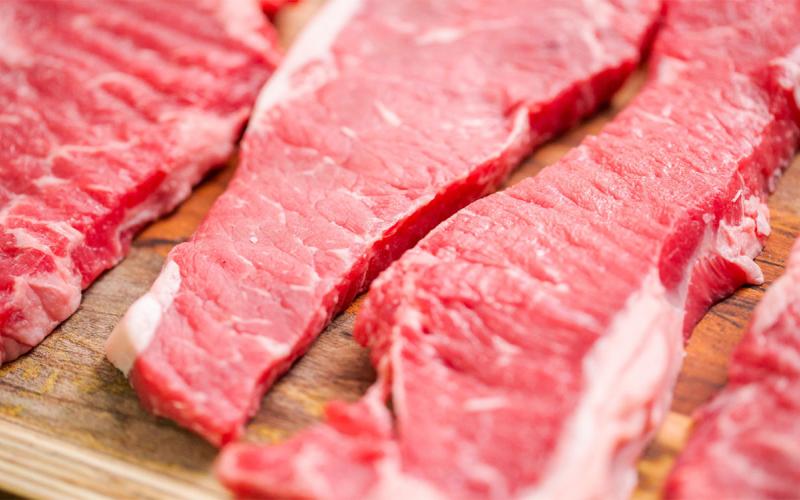
Backgrounding Beef Calves on Cover Crops May Improve Steak Tenderness
Can short-term backgrounding diets of beef calves have long term impacts of meat quality? Recent research from the meat science team at South Dakota State University says, “Yes.”
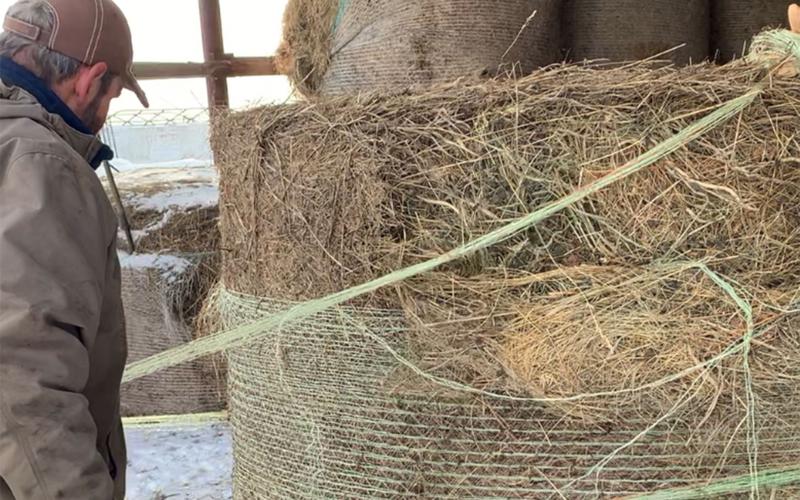
Net Wrap Removal Made Easy
I was approached by a cattle producer about efficiently removing net wrap. As many of you know, net wrap has its advantages as well as disadvantages, but is largely used as a hay binding material.
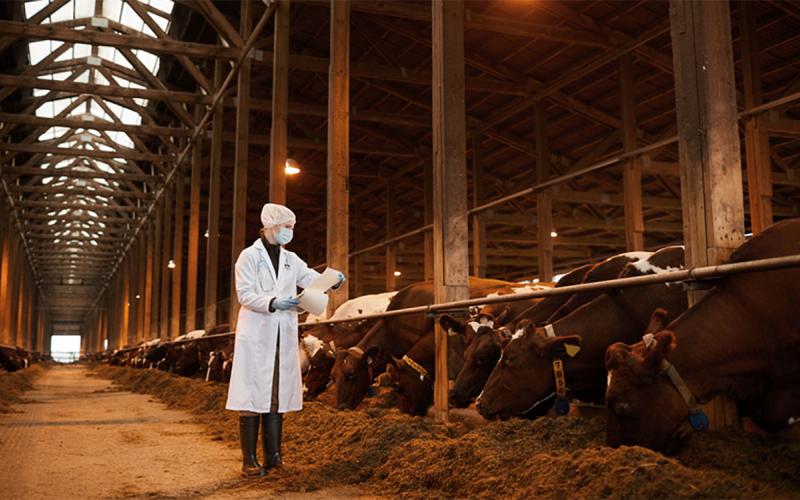
Avian Influenza Viruses in Dairy Cows: What is the role of biosecurity?
The recent finding of an avian influenza virus in dairy cows suffering from a previously unknown disease syndrome has brought attention to disease control and detection methods on dairy operations.
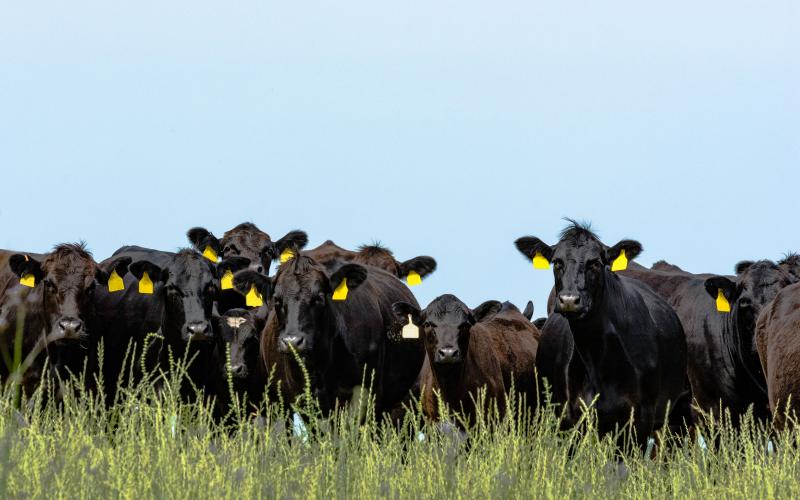
Defining a Breeding Season
While moving the calving season will not eliminate the unpredictability of weather, we can utilize a defined breeding season to plan when cows will calve and be better-able to manage cattle in the harsh winter and spring calving conditions.
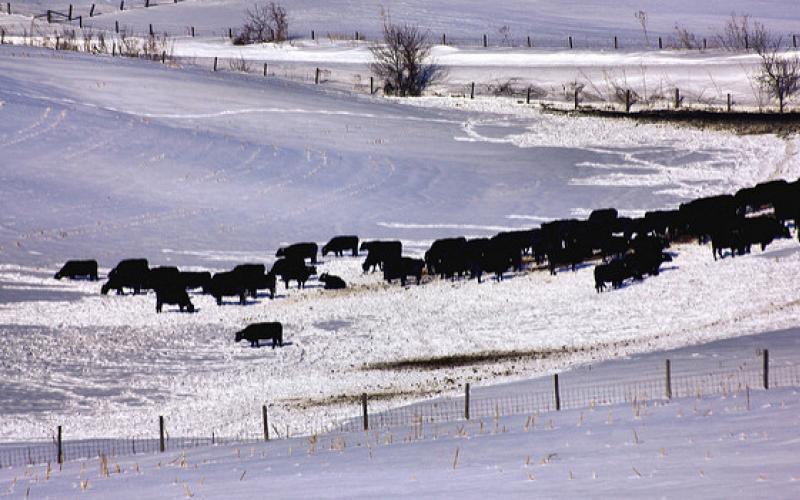
Are Your Cows Ready for the Last Trimester of Pregnancy?
We are beginning to enter the last three months of gestation for the majority of spring-calving cows in South Dakota, and there are a few questions that cattle owners should ask themselves in preparation.
COVID-19 and Livestock: Is there a connection?
When reports of the COVID-19 pandemic first hit the US, very few people had likely heard of coronaviruses—with some notable exceptions: cattle producers and their veterinarians.
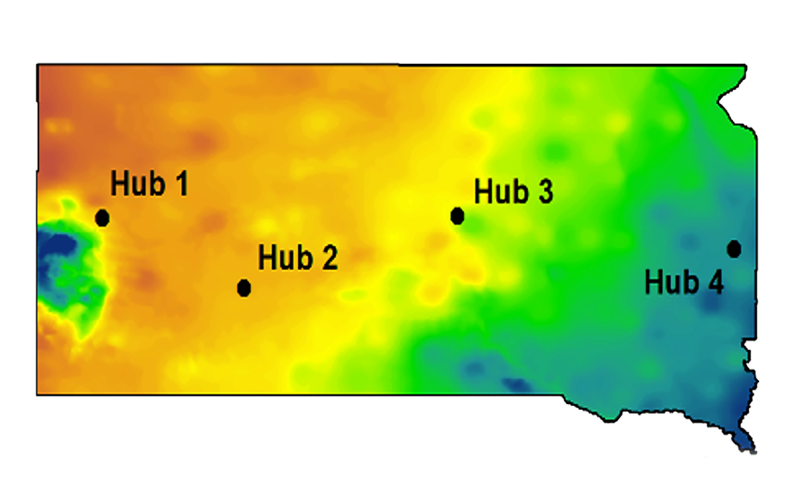
Range Roundup: Precision Agriculture Range Project With Producer Participation
SDSU Extension researchers started a new precision agriculture range project using remote sensing, machine learning, and ground-collected vegetation samples to develop an application to measure forage quality and quantity throughout the state in near real-time.
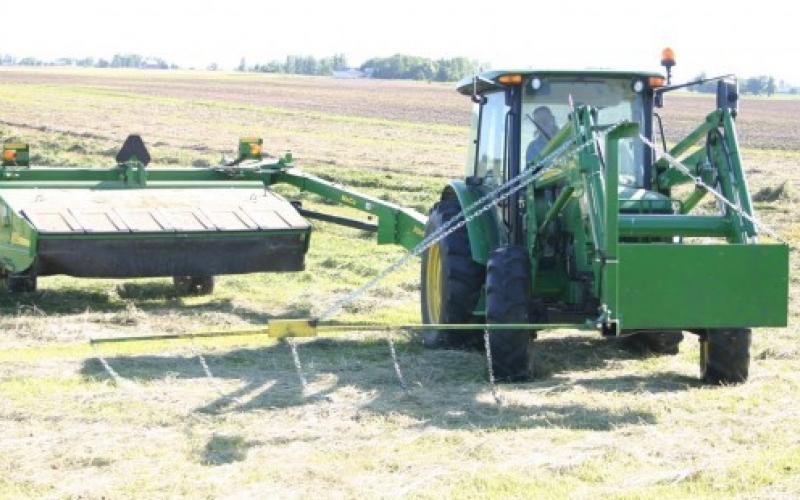
Haying With Wildlife in Mind
Anyone who has spent time cutting hay knows that hayland can be a magnet for wildlife in late spring and early summer. Hay fields are often considered an “ecological trap” for wildlife; that is, they appear to be high quality habitat for nesting or feeding due to tall, dense grass and legumes, but often lead to increased mortality once harvesting is under way.