Search
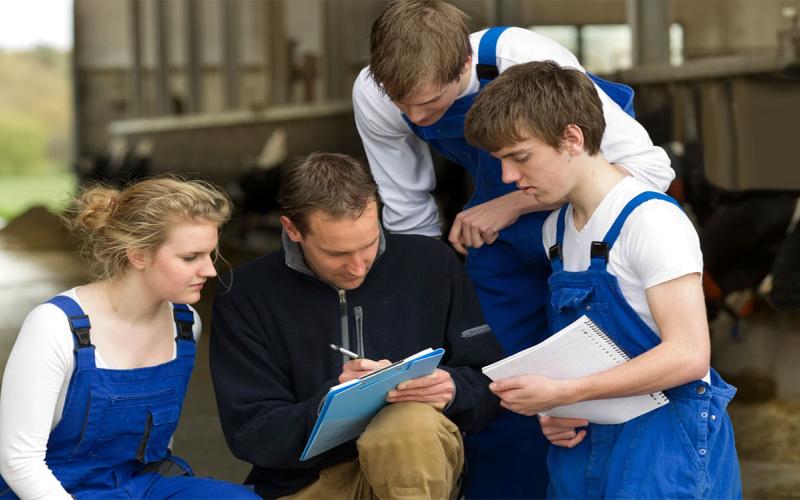
Producing Safe Food Means On-Farm Antimicrobial Stewardship
Antibiotic stewardship and residue prevention programs can help establish trusting relationships with end users by ensuring safe, wholesome meat or dairy products on your farm.
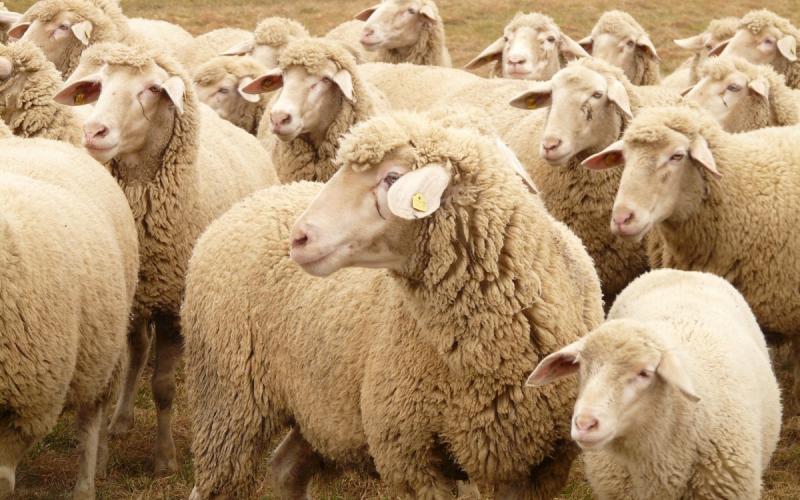
Use of the EAZI-BREED Sheep CIDR in Spring Mated Ewes
Efforts to manage the reproductive cycle of the ewe have been a focus of producers and researchers for decades. By nature sheep are seasonal breeders with active ewe estrus cycles expected from late-August until January in the Upper Midwest and in a state of anestrous (non-cyclic) for the other months. Recently a commercial progesterone intra-vaginal device, the EAZI-BREED sheep CIDR (controlled internal drug release) was approved in the US to synchronize estrus in mature ewes during the anestrous period.
Clearing up Confusion on Protein and Energy Supplements
Differentiating between protein and energy supplements is key to developing an effective cattle supplementation program, but it can be very confusing. With the multitude of feed options available, understanding types of feeds and nutrient requirements will help ensure cattle perform optimally.
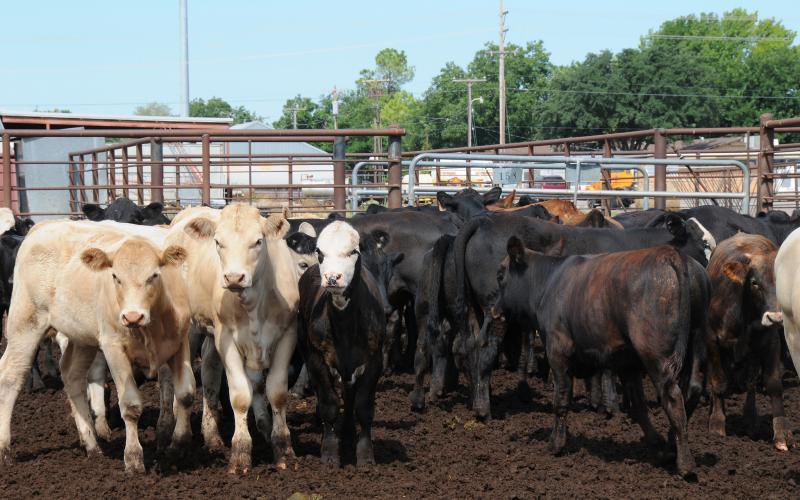
Effects of Nutrition Changes Following Artificial Insemination
When considering heifer development strategies, it may be important for a producer to consider nutritional stress from changes in the diet following breeding.
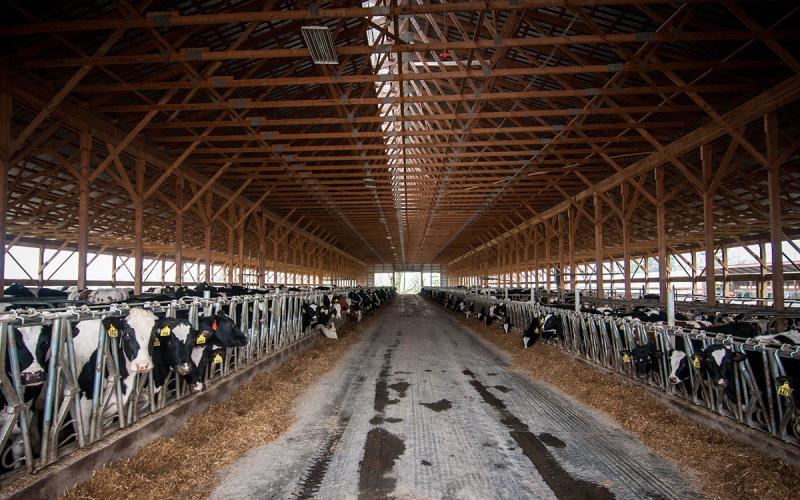
Dairy Production in South Dakota: Growth and Consolidation
Research has found continued growth in dairy production in South Dakota over the past two decades, with most growth concentrated in large operations in Eastern South Dakota, indicating a trend of consolidation with large farms in concentrated regions.
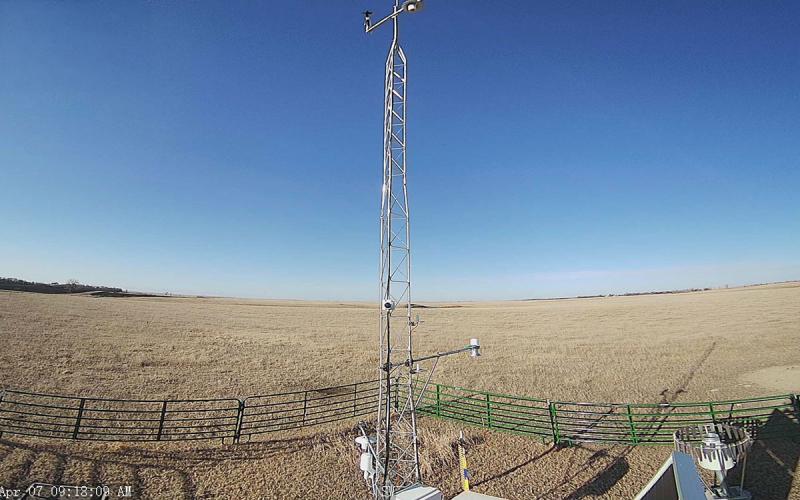
Spring Pasture Report: Dry Soil Conditions Threaten 2025 Grazing Season
As the grazing season inches closer, dry conditions have become very apparent, and producers should take time to assess resources and regularly monitor soil moisture and weather outlooks.
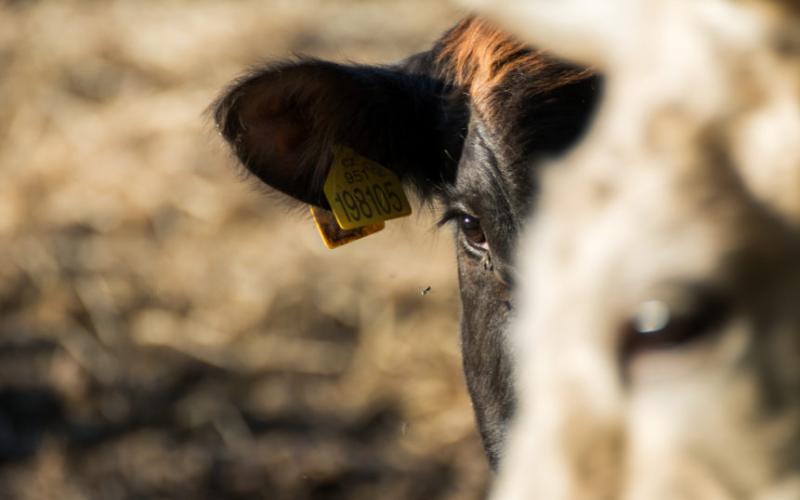
Testing Your Beef Cattle for Bovine Viral Diarrhea Virus
Bovine Viral Diarrhea Virus (BVDV) is among the most important pathogens affecting today’s beef and dairy cattle operations. Associated with reproductive, digestive, and respiratory illnesses in cattle, the virus can also create a congenital, persistent infection in calves, greatly aiding the virus’ spread within and between herds.
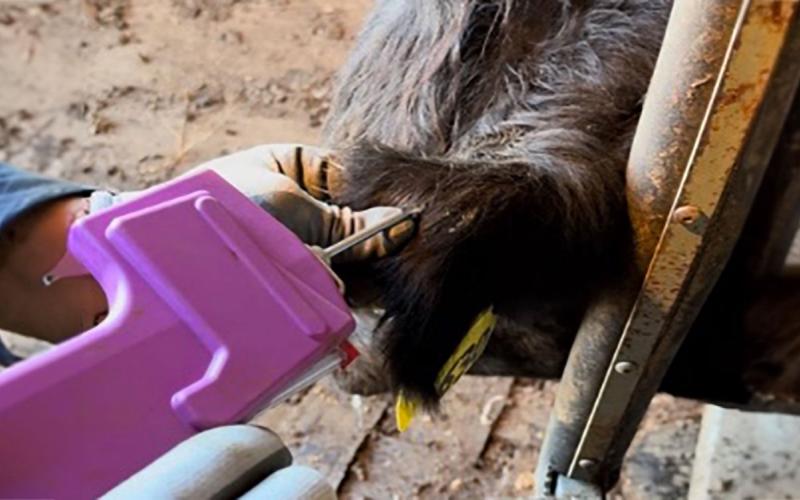
Implanting Nursing Calves
Implanting nursing calves is a cost-effective way to increase weaning weight and improve your financial bottom-line. Learn some expert tips for choosing the right implant for your operation.
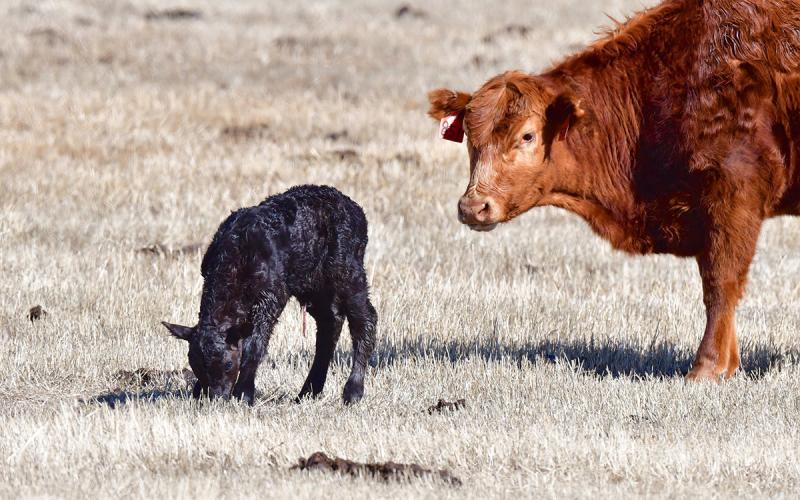
Preparing for the Calving Season
Calving season is a busy time of year as beef producers prepare themselves for less sleep each night, while spending more time observing cows close to calving. So, what can we do to make calving season less stressful for everyone involved?
Utilizing Embryo Transfer or Artificial Insemination in Your Operation
In this episode of Cattle HQ, join Kiernan Brandt and Olivia Amundson, SDSU Extension Cow/Calf Field Specialists as they sit down to talk with Dr. Jessica Drum about comparing embryo transfer with artificial insemination.