Search

Red Fescue (Festuca rubra), A New Grass in the Black Hills: Friend or Foe?
Red fescue (Festuca rubra), a cool-season, dominate rhizomatous grass, has started showing up on disturbed ground near meadows and forests. While it is not a state noxious weed yet, its spread has raised questions from producers.

Telemedicine Keeps Mixed-Animal Veterinarians Connected
March 31, 2021
Smart phones have helped South Dakota veterinarians assist clients through blizzards and busy calving seasons, but clinics may need to revisit service offerings, client expectations.
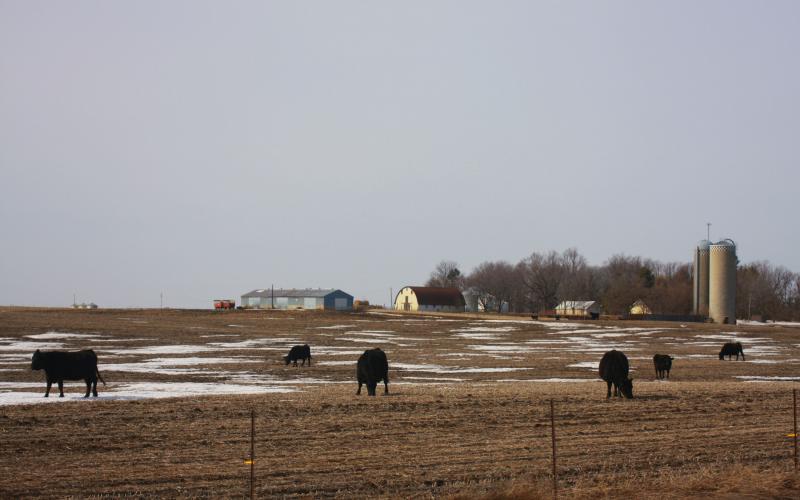
Considerations for Cull Cows
The last year was difficult to say the least, from a wet, muddy spring and late planting to an early, wet fall and difficult harvest. Unfortunately, for cow calf producers, the repercussions were seen during pregnancy detection this year, as the number of slaughter cows within the state were abundant due to open cows.
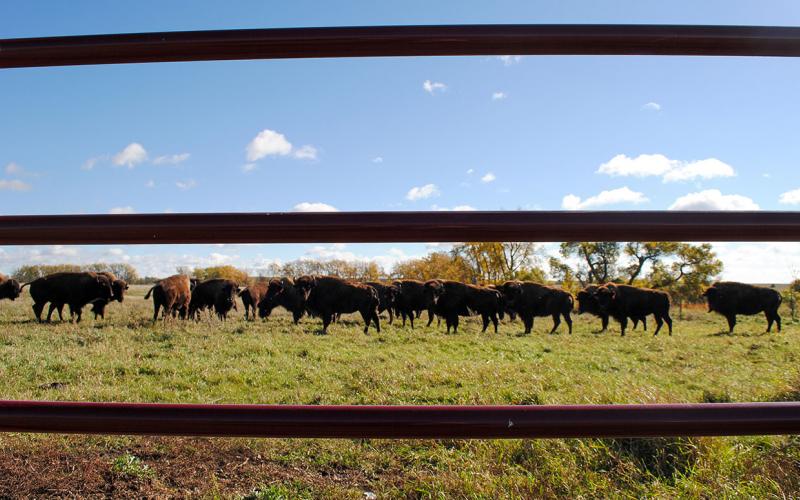
Getting Started With Bison Ranching
While bison ranching has some similarities with cattle ranching, there are significant differences that must be accounted for to ensure long-term sustainability and profitability.
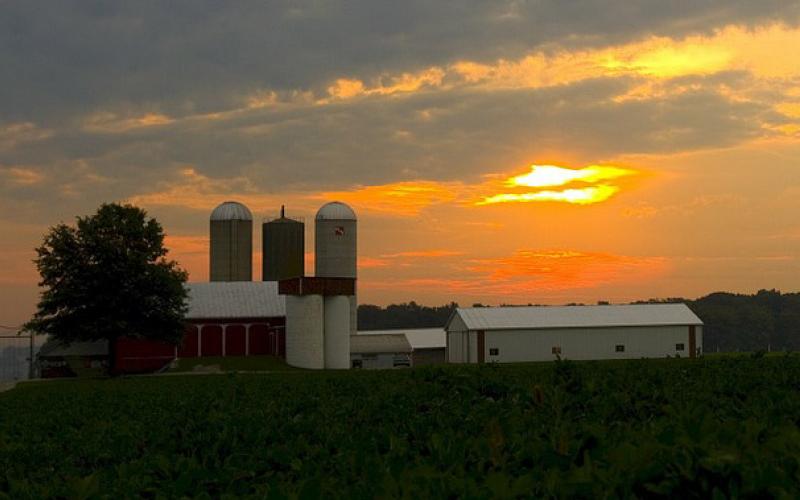
USDA-ARMS Survey Data: Benefits for university agriculture research & outreach
Conducted since the mid-1990s, the USDA Agricultural Management Resource Survey (ARMS) is a multi-phase, multi-level nationwide survey of agricultural producers that collects information on a large sample of farms and their characteristics.
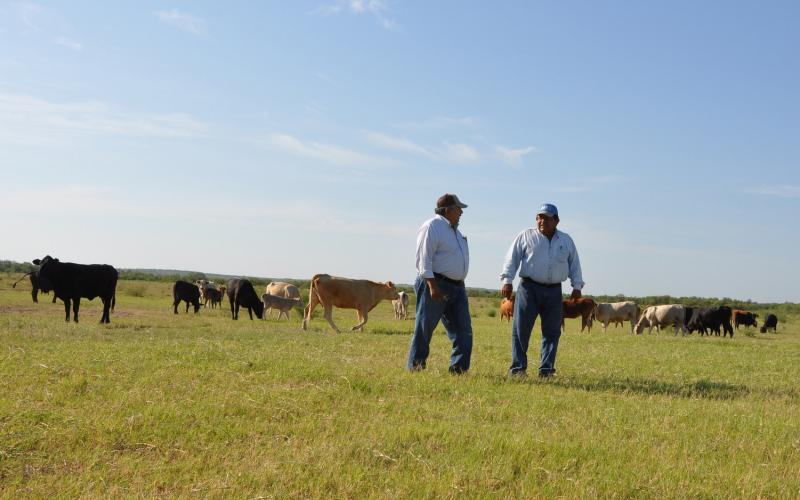
Rotational Grazing Benefits: South Dakota Producer Perceptions
To better understand producer perceptions on rotational grazing, we sent out 1,500 surveys to South Dakota ranchers inquiring about adoption status and perceptions of rotational grazing.