Search
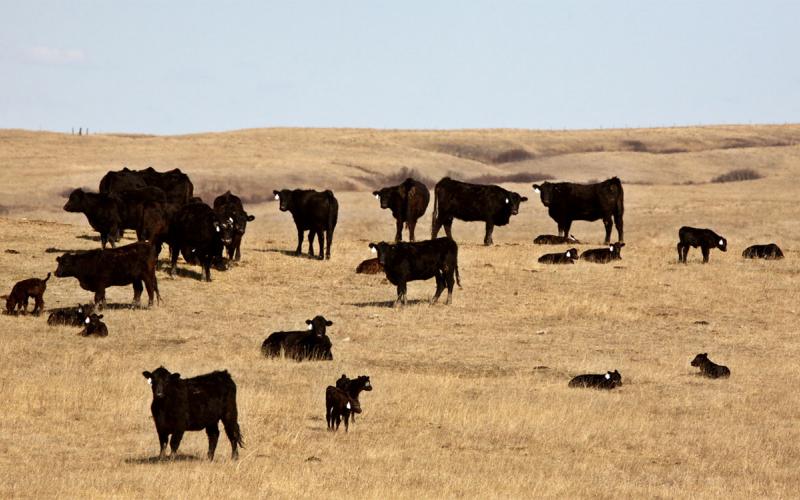
Selecting a Calving Season Based on Matching Nutritional Needs and Resources
Choosing the calving season is a complex and highly individual decision for each beef cattle producer. A primary consideration in pasture-based cow-calf operations is choosing a calving season that will best match the forage supply to forage demand.
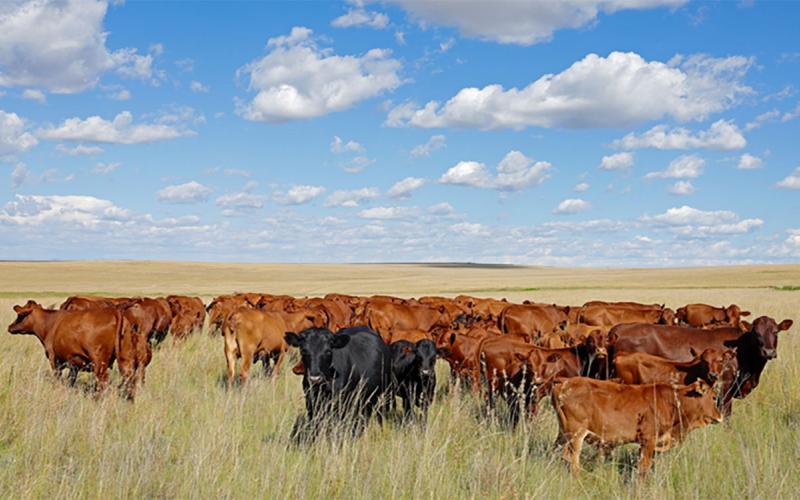
History and Current Value of the Range Beef Cow Symposium
In December 1969, four extension specialists from Colorado, Wyoming, Nebraska, and South Dakota developed a symposium to provide cutting edge information to beef cattle producers. Years later, this valuable tradition continues at the biennial Range Beef Cow Symposium.
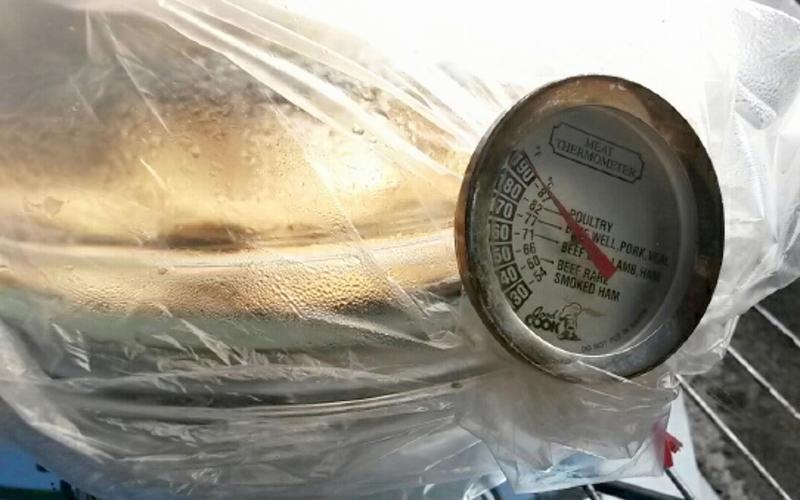
How to Calibrate a Meat Thermometer
A properly calibrated meat thermometer is key for achieving both meat safety and quality.
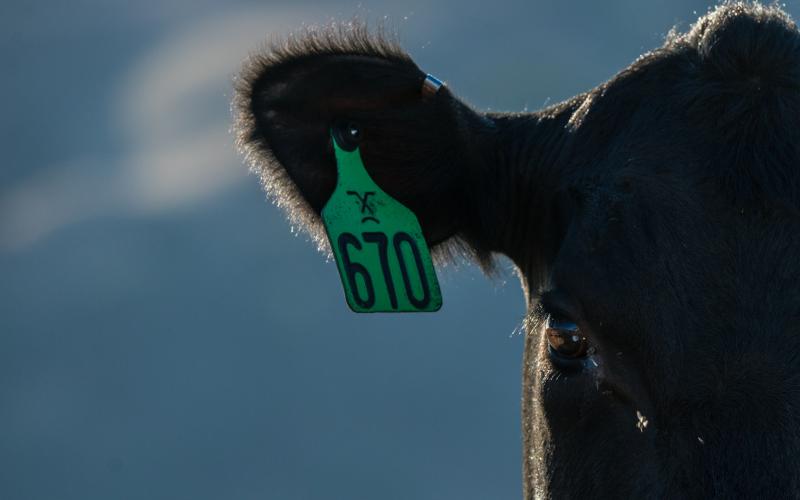
Getting Replacement Heifers Ready to Breed
Producers should take some time to evaluate replacement heifers’ health, nutrition and reproductive status to ensure high-quality females entering the cow herd.
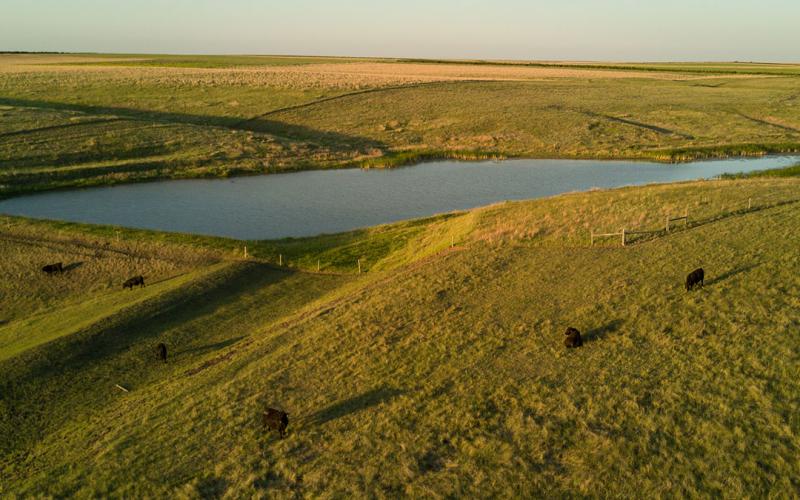
Grazing Calculator
The SDSU Extension Grazing Calculator eliminates the guesswork and mess associated with doing calculations by hand. It requires a few inputs on your end, and you will be able to save a downloadable Excel file for your record keeping.

Livestock Market Disruptions
COVID-19 has affected the market availability for finished cattle and hogs. Some beef and pork processing facilities have closed for cleaning and social distancing of their employees. While some of these facilities have scheduled a date to reopen at reduced capacity, others remain closed with no announced plans to resume operations.
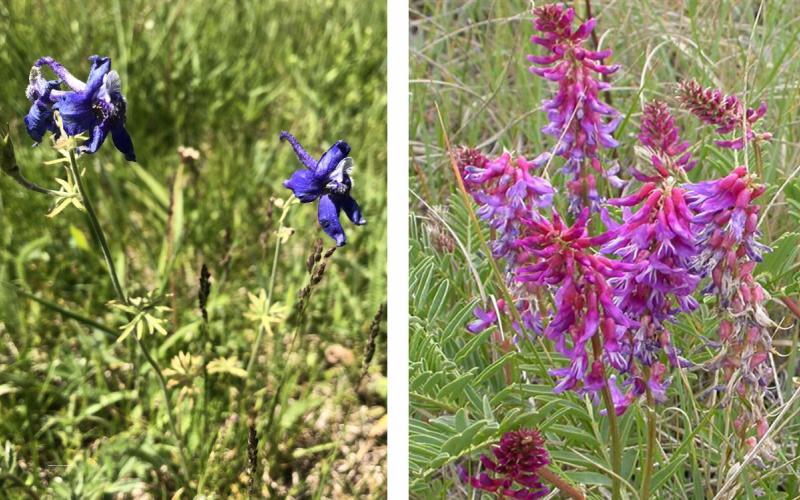
Poisonous Plants on Rangelands: Larkspur and Poisonvetch
Larkspurs are the second leading cause for all livestock deaths from toxic plant poisoning. Poisonvetches are considered accumulator plants that uptake excessive levels of selenium and cause toxicity problems in cattle.
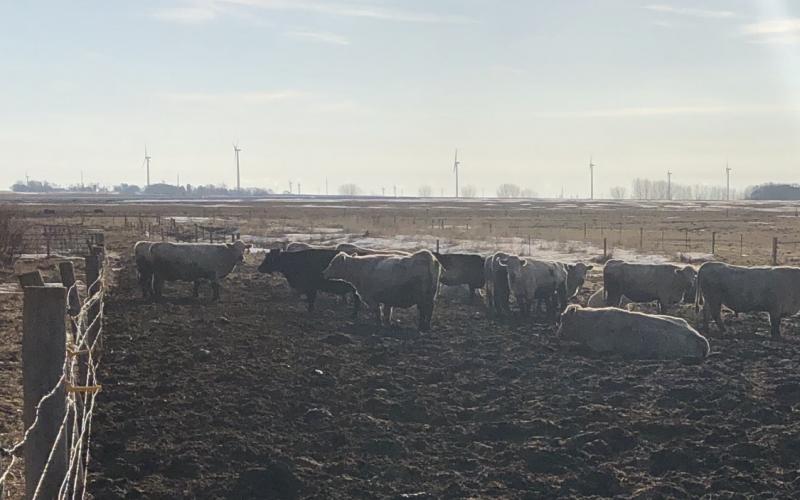
Mud Reduces Beef Cow Performance
Every late winter and early spring beef producers usually face the same problem. Whether it is pooled water resulting from melting snow or excessive rainfall, they both lead to mud accumulation.
Bovine Congestive Heart Failure
In this episode of Cattle HQ, Olivia Amundson and Kiernan Brandt, former SDSU Extension Cow/Calf Field Specialists, discuss bovine congestive heart failure and health alongside Brian Vander Ley, University of Nebraska Veterinary Epidemiology Field Specialist and Interim Director of the Great Plains Veterinary Educational Center.
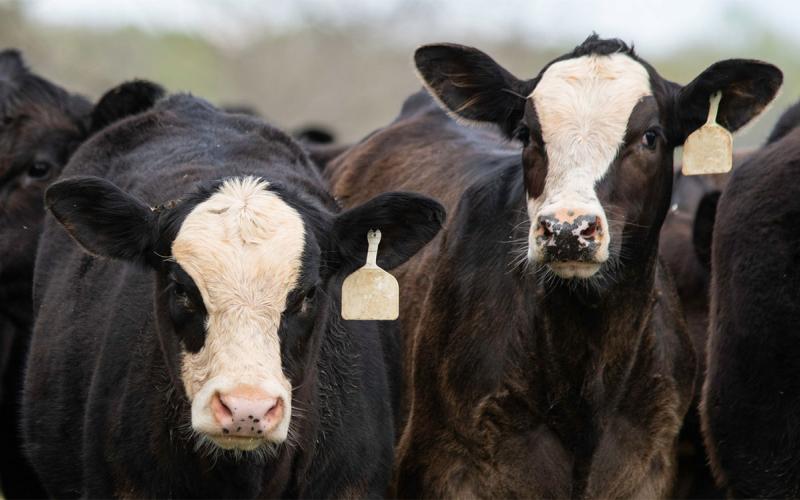
Sell the Feeder Calf, or Create a Yearling?
Fall brings many weaning and selling time decisions for cattle operations. Learn some expert tips for evaluating your current situation and making informed management decisions given the price of calves, feed, and the futures market.