Search
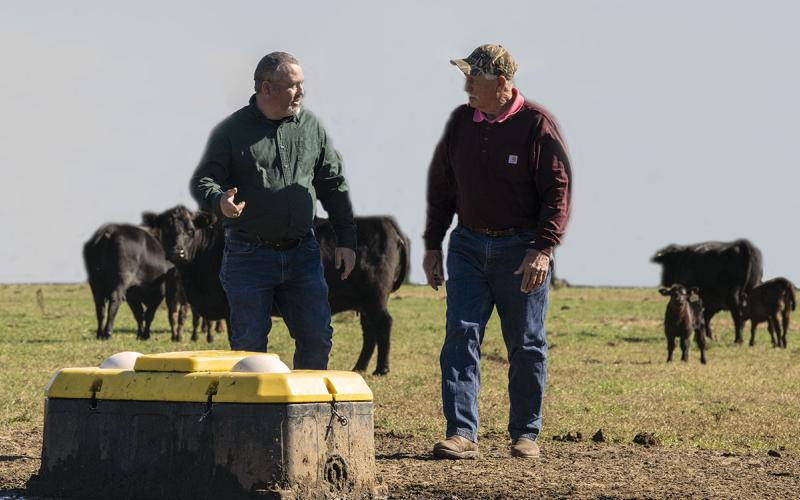
Water Monitoring Systems for Livestock
Depending on animal locations, checking water tanks can require hours of labor and significant fuel costs for remote pastures. Water monitoring systems offer producers a convenient way to check the status of the water sources remotely.
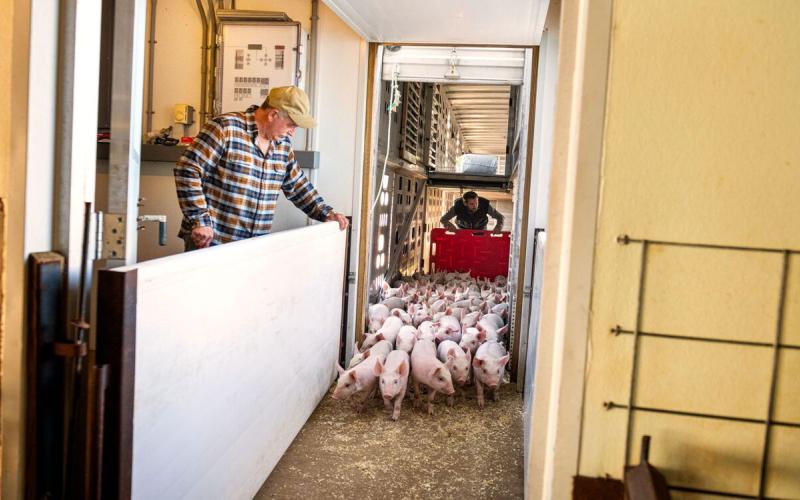
Benefits of Transport Quality Assurance Certification
The Transport Quality Assurance® certification program from the National Pork Board is designed to promote the highest standards of animal welfare and pork quality during transportation.
Ditch Hay: Harvesting, Quality, and Feeding
Using ditch hay to feed cattle is a common practice across the U.S. It provides livestock producers with a source of readily available forage, which can be very useful, particularly during feed shortages.
Lameness in Cattle: Causes Associated With Injury
Most cattle in pastures and feedlots are exposed to multiple potential causes of injury. Learn some of the injury-related causes of lameness in cattle, starting with the foot and working our way up.
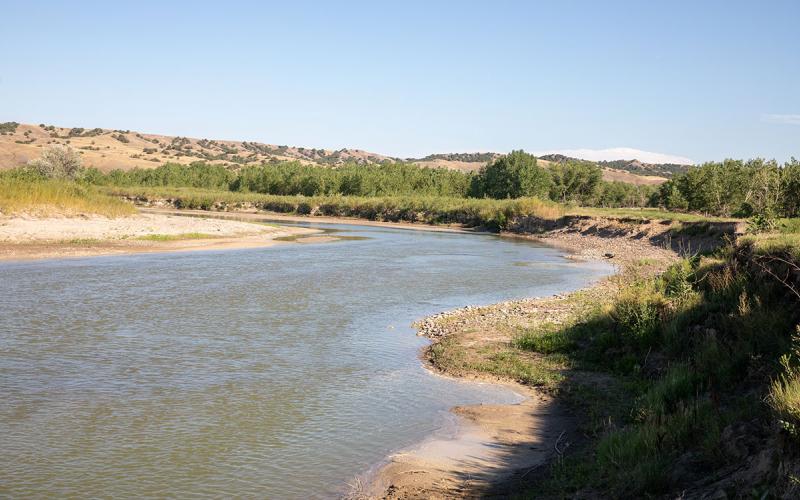
Water Rights in a Time of Drought
During a drought, it is not surprising that the South Dakota Water Rights Program will see an increase in permit applications. In South Dakota, water is considered the property of the people of the state, and depending on your intended water use, a water right permit may be needed.
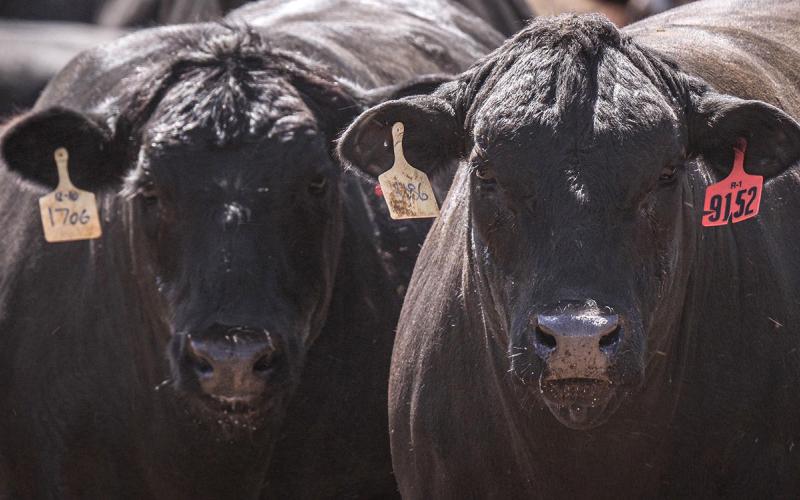
Heat Stress in Feedlot Cattle
High temperatures, humidity and low air movement create the perfect storm for heat stress in feedlots. Learn some expert tips for maintaining performance and reducing losses as we approach the hottest months of the year.
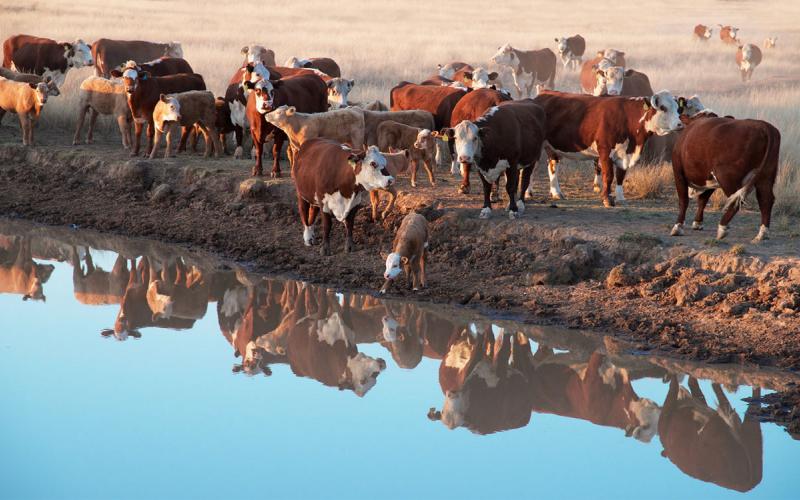
Hot Days Ahead and the Need for Water
Hot summer days are still ahead, and we need to account for water. The amount of water a cow requires varies depending on a variety of factors, including environmental temperature, lactation status and weight.
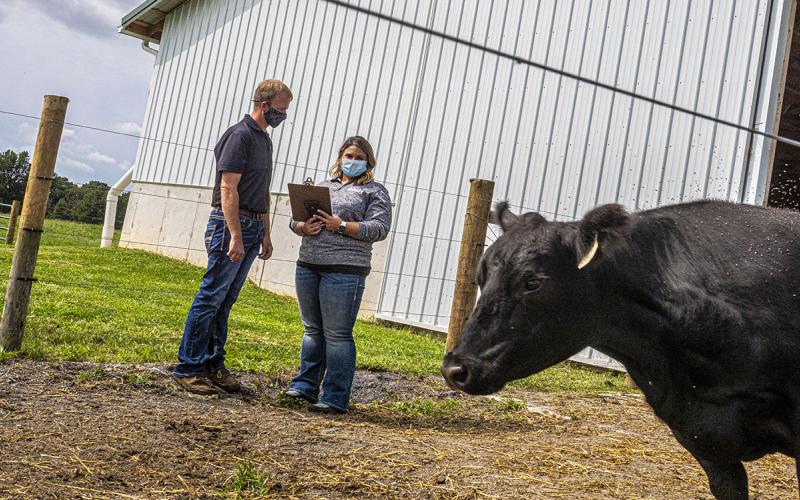
SDSU Extension hosting Beef Quality Assurance training in Wall
July 09, 2024
South Dakota State University Extension will host a Beef Quality Assurance training for anyone involved in raising or handling cattle.
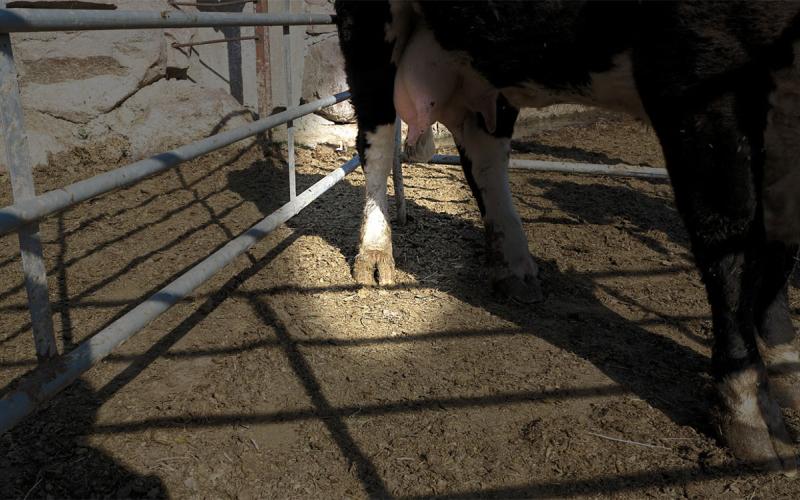
Lameness in Cattle: Causes Associated With Infections
Infections are among the most-common reasons for lameness in feedlot and adult cattle, and in some cases they can be treated or prevented with more success than other causes of lameness.
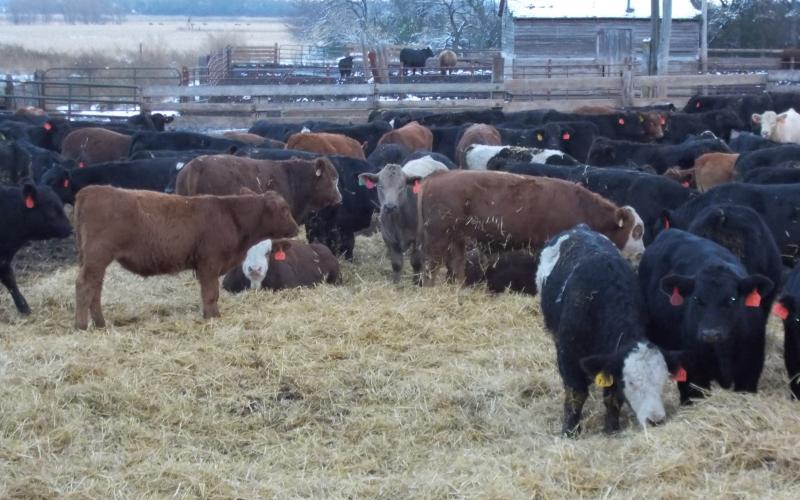
Managing Cattle Through Winter Weather Conditions
Winter weather conditions often present challenges to cattle managers in the Northern Plains. Although we can’t alter the weather, there are management steps that can be taken to help maintain cattle health and performance.