Search

Water Usage Increased by Dietary Phytase Incorporation in Growing and Finishing Swine
Total water usage is an important consideration in sustainable pork production. Recent research at the SDSU investigated water usage of growing and finishing pigs fed diets without or with phytase included in the diet.
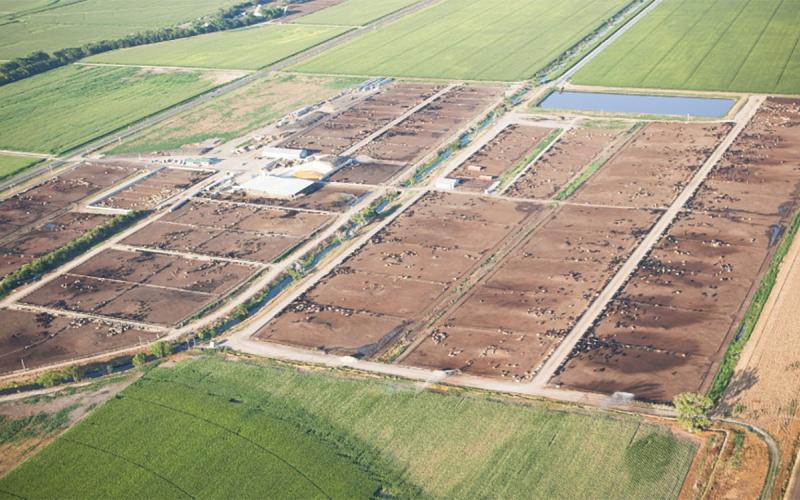
Carbon Markets and Beef Production: Carbon Markets and Scope 1, 2, and 3 Emissions
In this article in the Carbon Markets and Beef Production series, we will discuss the basics of carbon markets and Scope 1, 2, and 3 emissions.
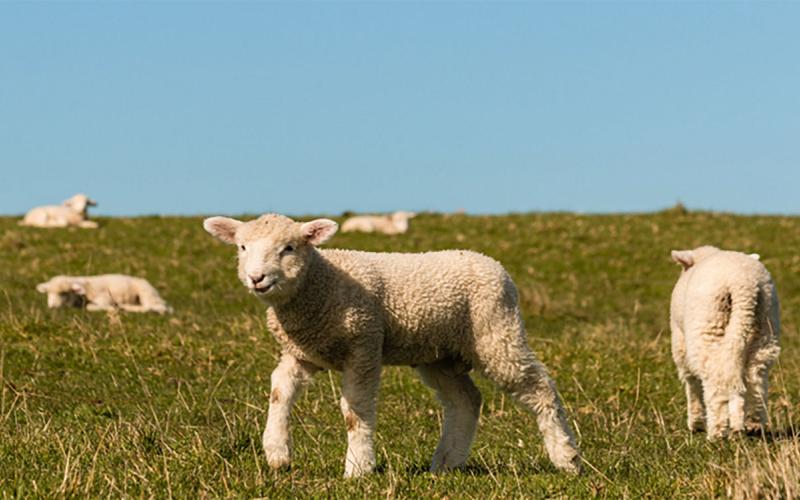
4 South Dakota sheep producers receive Master Lamb awards
October 23, 2024
Four operations were named South Dakota Master Lamb Producers during the 2024 South Dakota Sheep Growers annual convention in Rapid City.
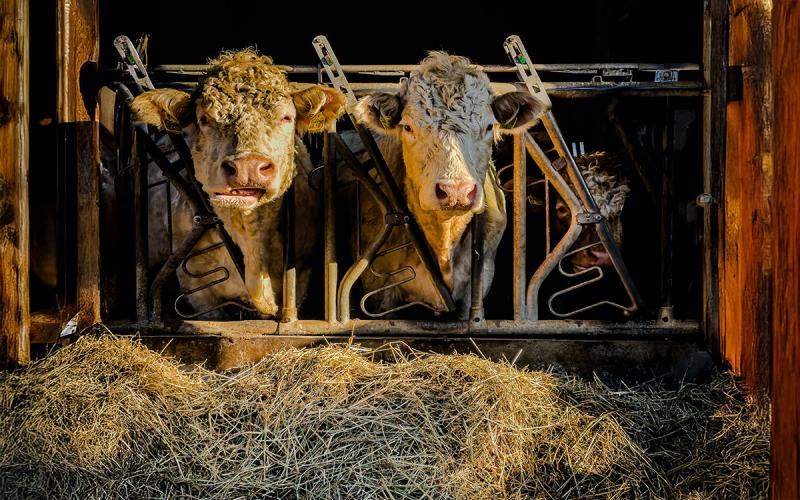
Feed Management for Efficient U.S. Livestock Systems: Introducing the National Animal Nutrition Program’s Feed Management Committee
The National Animal Nutrition Program’s Feed Management Committee brings together experts in animal science, nutrition, and natural resource management to increase awareness and use of livestock feeding management and to address conservation needs.
Introducing the South Dakota Grassland Coalition
The South Dakota Grassland Coalition is a non-profit organization that seeks the voluntary improvement and protection of privately owned grasslands for the long-term needs of the resource and its various species.
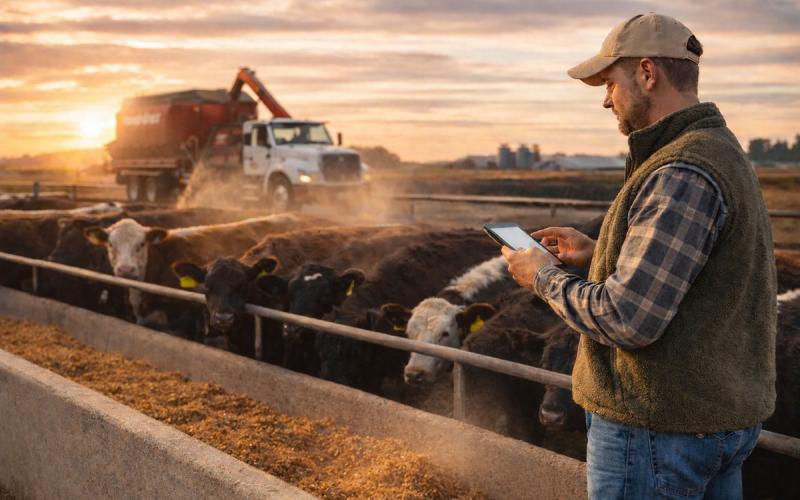
Feed Management in a High-Data Livestock Industry
Livestock feeding systems are generating more data than ever before. In modern feed management, success depends less on how much data is collected and more on how effectively that data is translated into biologically sound decisions.
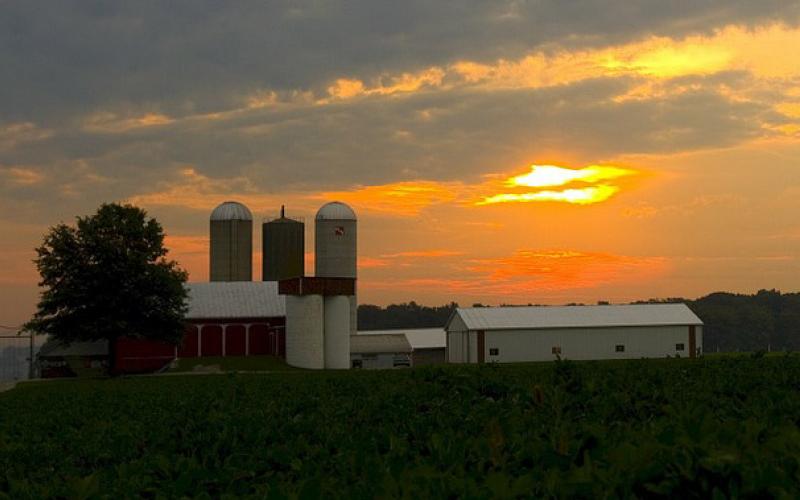
USDA-ARMS Survey Data: Benefits for university agriculture research & outreach
Conducted since the mid-1990s, the USDA Agricultural Management Resource Survey (ARMS) is a multi-phase, multi-level nationwide survey of agricultural producers that collects information on a large sample of farms and their characteristics.

From One Decision to Many Outcomes: Why feed management decisions ripple through beef production systems
Feed management is the starting point of a system that rewards informed decisions and magnifies uninformed ones. Producers who use feed informed nutrition models are often able to reduce waste, increase gains, and decrease costs.
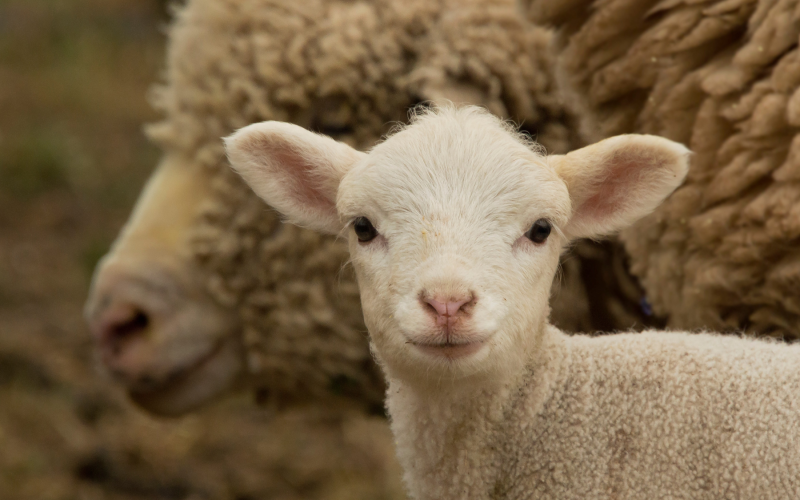
Three outstanding operations receive SD Master Lamb Producer Awards
October 30, 2025
South Dakota State University Extension is pleased to announce the winners of the 2025 Master Lamb Producer Awards.
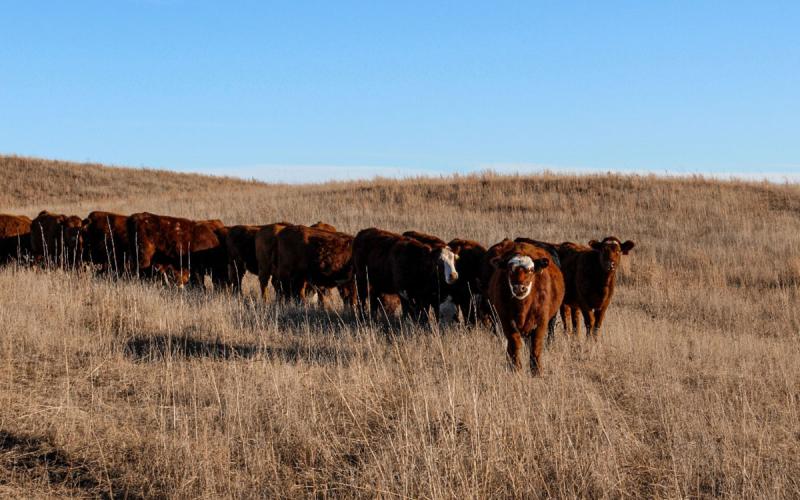
Fall Pasture Report: Considerations for Dormant Season Grazing
Recent fall rains across the region continue to improve soil moisture conditions in preparation for the dormant season. Unlike in years past, a fall green up has been in full swing for much of the region.