Search
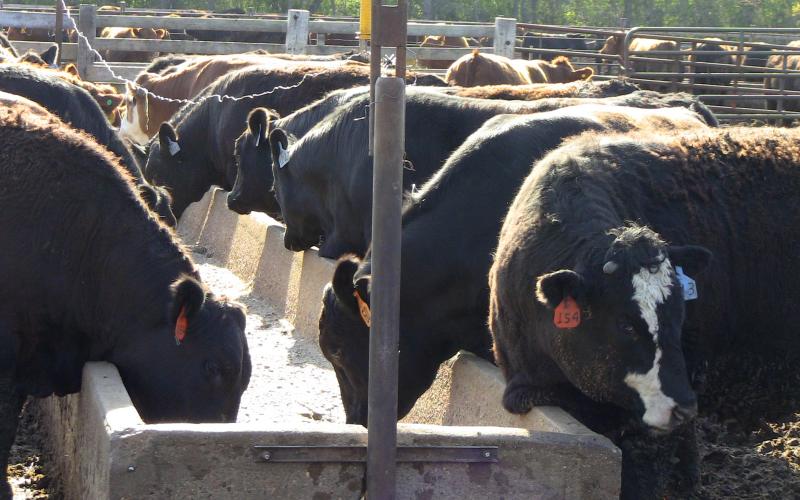
Neospora-Positive Status: Impact on heifers/cows and their calves
Neospora caninum is a protozoal germ that has the potential to affect reproduction in beef and dairy herds. Neospora-related reproductive problems can arise from two different kinds of infected cattle: 1) cows or heifers that became infected by eating contaminated feed, and 2) cows or heifers that were born with Neospora and pass it on to their offspring in utero.
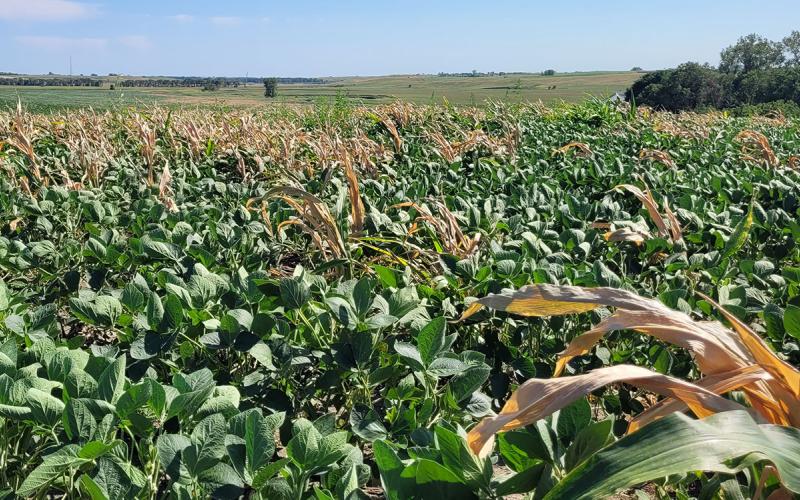
Stalk Grazing to Combat Volunteer Corn
Fall aftermath grazing by livestock, particularly cows, can dramatically reduce the amount of volunteer corn in the field. Learn some key benefits that stalk grazing can bring to your operation.
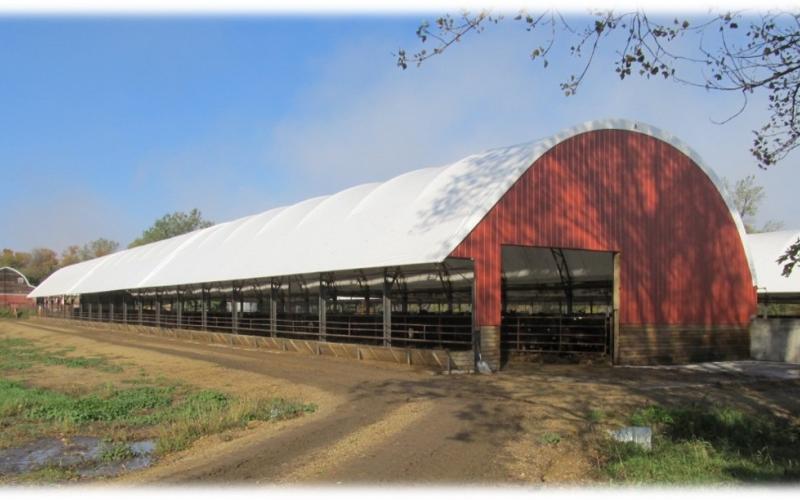
Cattle Confinement Facilities: Management Considerations
Confinement barns provide some advantages to both the animals and caregivers compared to outside pens or pasture systems.
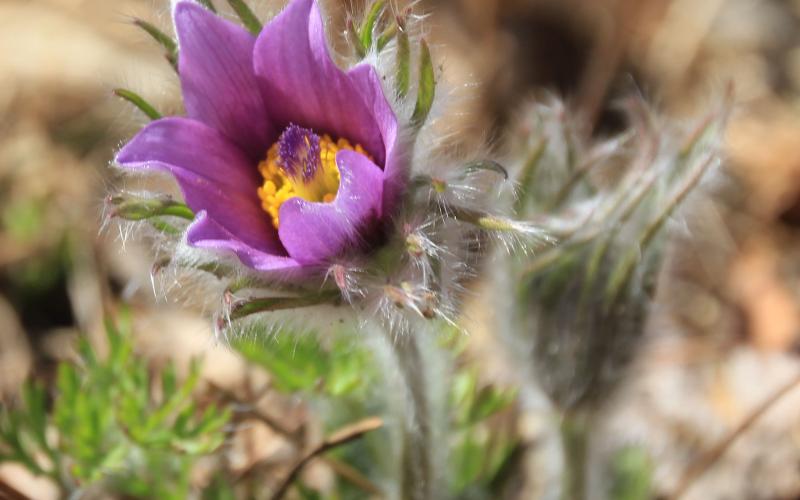
Common Flowering Plants (Forbs) of South Dakota
This guide focuses on forbs, or flowering “broad-leaved” herbaceous plants, but forbs can be narrow-leaved as well.

Five Range Management Principles: #3 Ecosystem Biodiversity
Milkweed can help make rangelands a better environment for both cattle and neighboring plants and animals by having a shielding effect on companion plants, preventing erosion and accelerating the decomposition process, whole also providing nectar, habitat and organic material for ecosystem services.
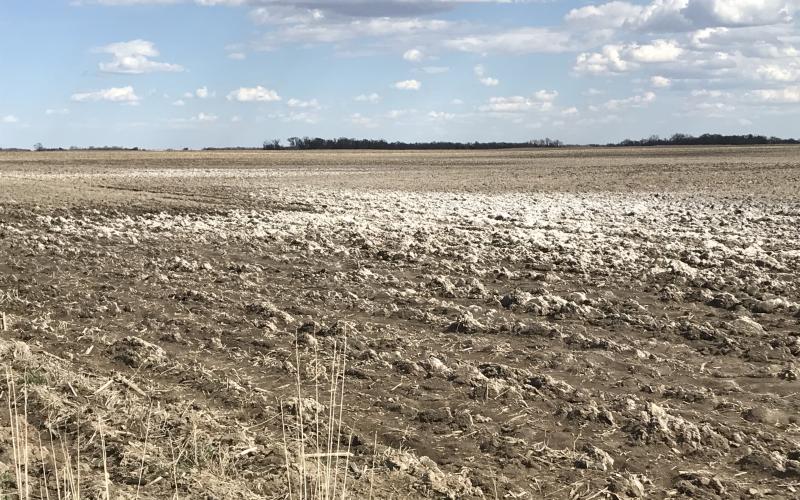
Revegetation of Salt-Impacted Soils in South Dakota
This publication provides suggested native species suitable for the revegetation of salt-impacted soils. The suggested species are listed as native to South Dakota according to the USDA NRCS Plants Database.
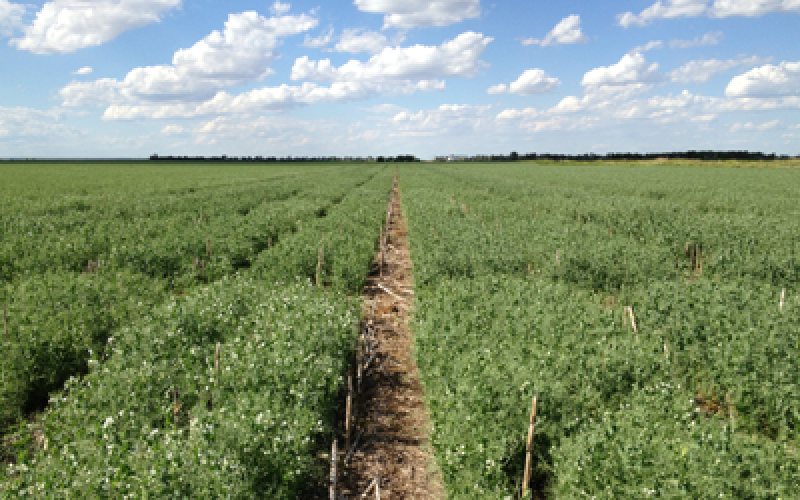
Weed Control: Pulse Crops
Weed competition can cause significant yield reduction in pulse crops. Pulse crops are weak competitors with weeds, therefore planning an effective weed control program is one of the keys to profitable production.
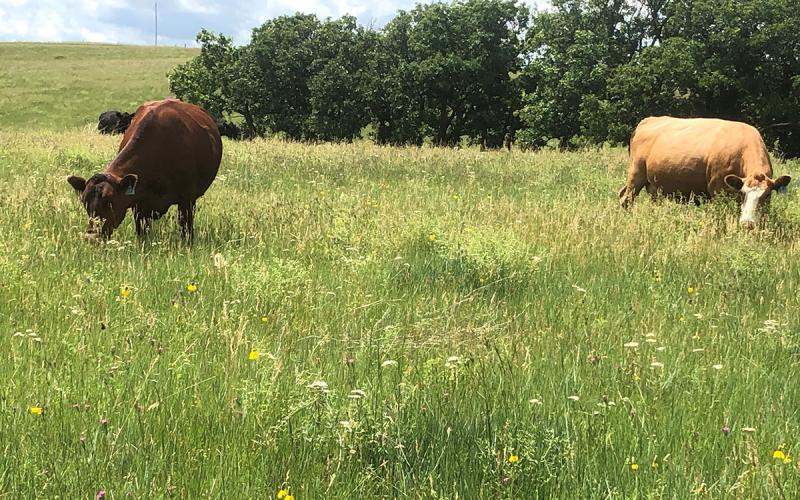
SDSU Extension hosts risk management webinar series
March 20, 2026
South Dakota State University Extension is hosting a series of free Strong Minds, Strong Farms webinars for anyone involved in agriculture.
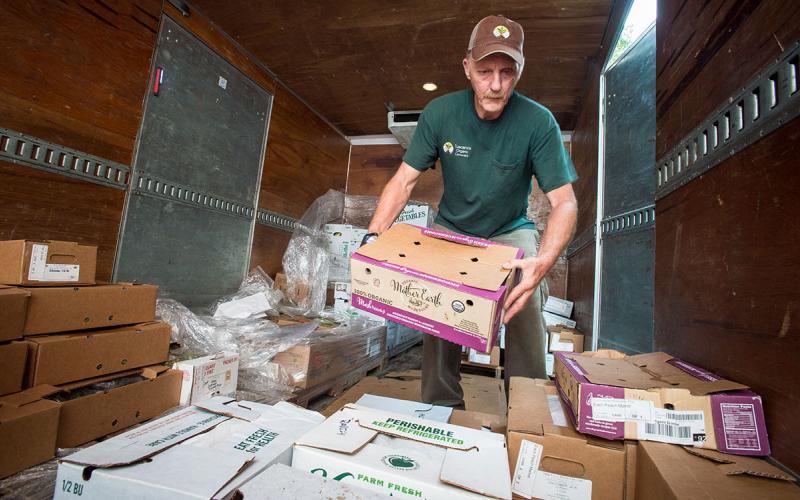
Regulatory Guidance for Selling Foods in South Dakota
Now more than ever, we are seeing food processors and entrepreneurs in South Dakota bringing their food products, not only to farmers markets, but also to retail stores. This article provides regulatory guidance and outlines the necessary steps required to allow for the sale of foods to retail stores.
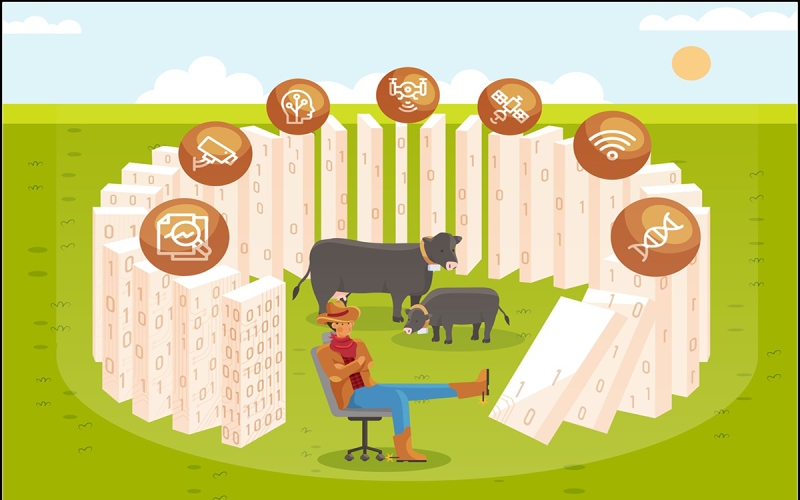
From One Decision to Many Outcomes: Why feed management decisions ripple through beef production systems
Feed management is the starting point of a system that rewards informed decisions and magnifies uninformed ones. Producers who use feed informed nutrition models are often able to reduce waste, increase gains, and decrease costs.