Search
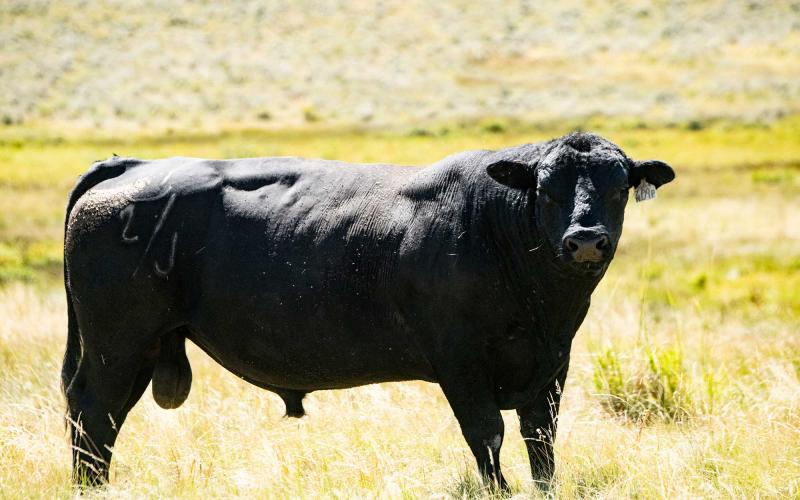
How Many Bulls Do You Need When Synchronizing With Natural Service?
The use of estrous synchronization with natural service provides an opportunity to utilize the benefits of synchronization. However, the first question producers ask is, “How many more bulls do I need?”
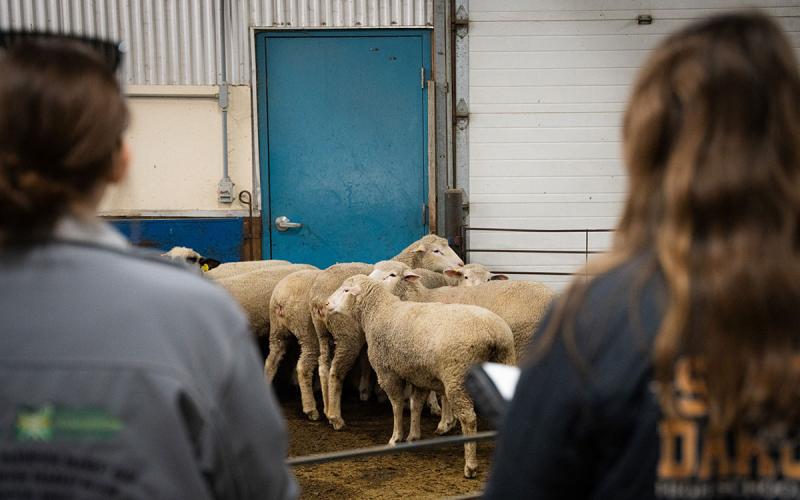
Managing Sheep Keds
Sheep keds (Melophagus ovinus) are blood-sucking external parasites that can significantly impact sheep production.
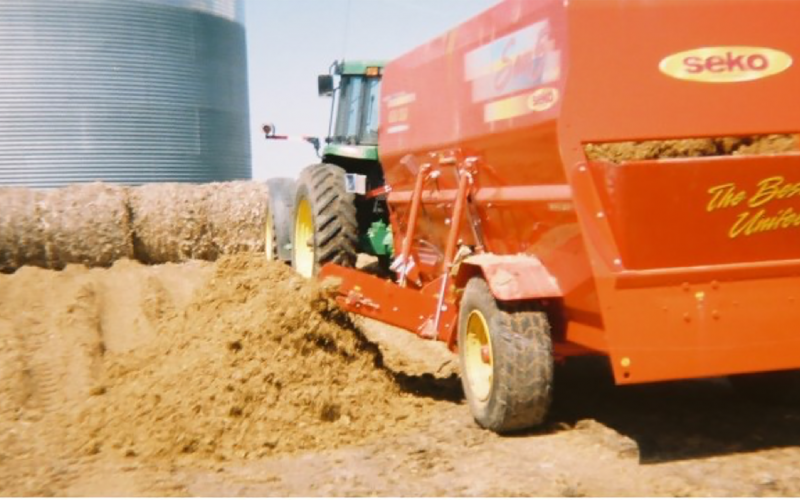
Storing Wet and Modified Distillers Grains
One of the primary challenges for livestock producers in the coming months could very well be feedstuff cost and availability due to the fact that the corn planted acreage and crop progress are both well behind normal benchmarks. One opportunity that might help cattle feeders proactively secure feed supplies would be storing wet or modified distiller’s grains now to be fed at a later date.
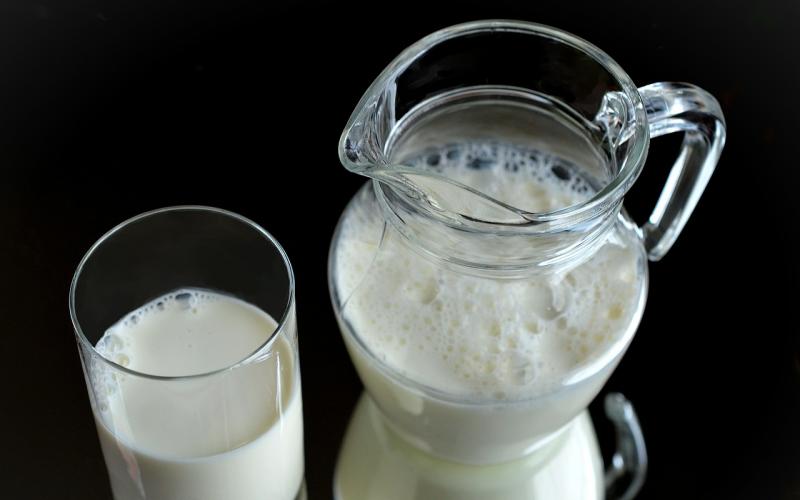
What is an Ultra-Filtered Milk Product?
Milk products made using ultrafiltration offer higher contents of valuable components, such as protein and calcium.
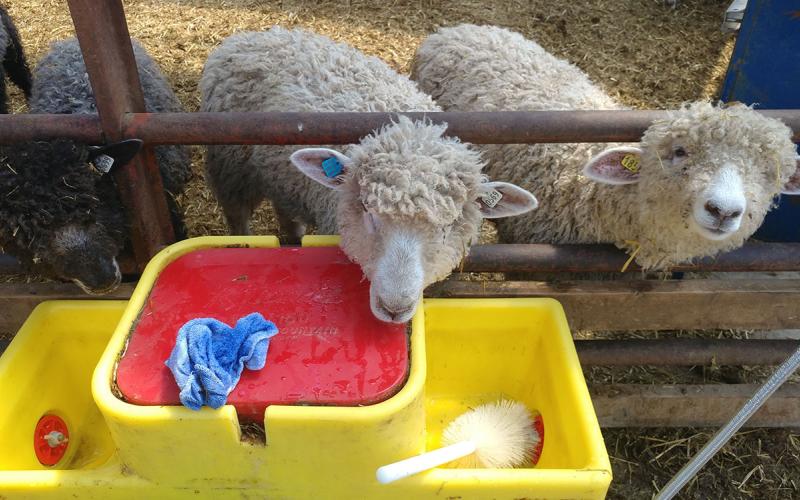
Sheep Water Requirements and Quality Testing
Water intake is critical for ensuring flock health, performance and heat stress mitigation. Learn some key considerations for water quality and intake requirements.
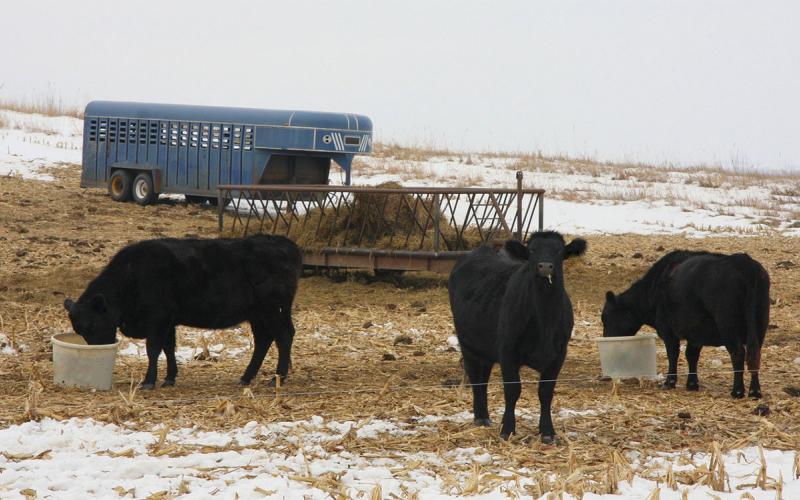
Cold Temperatures Impact Forage Intake
Decreasing temperatures impact the amount of energy required by cattle. Learn some management considerations to reduce the possibility of metabolic disturbance during periods of colder weather.
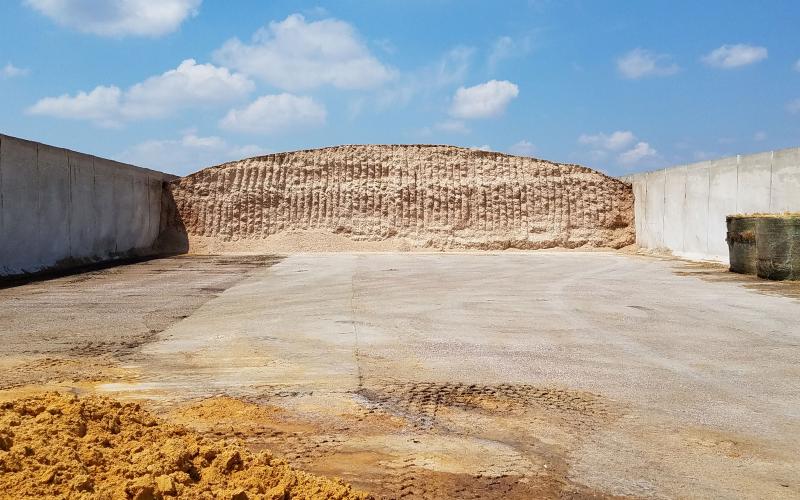
Valuing High-Moisture Corn and Earlage
A key advantage to using commodities that meet standard specifications and are frequently traded is that it is very easy to establish an economic value that is accepted by most users. The marketplace sets the value of corn, and other feedstuffs on a daily basis, provided those products meet some set of standard specifications.
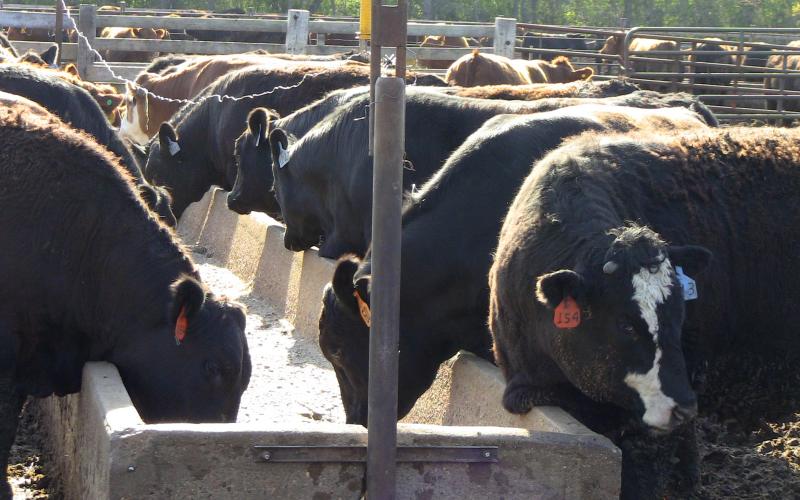
Neospora-Positive Status: Impact on heifers/cows and their calves
Neospora caninum is a protozoal germ that has the potential to affect reproduction in beef and dairy herds. Neospora-related reproductive problems can arise from two different kinds of infected cattle: 1) cows or heifers that became infected by eating contaminated feed, and 2) cows or heifers that were born with Neospora and pass it on to their offspring in utero.
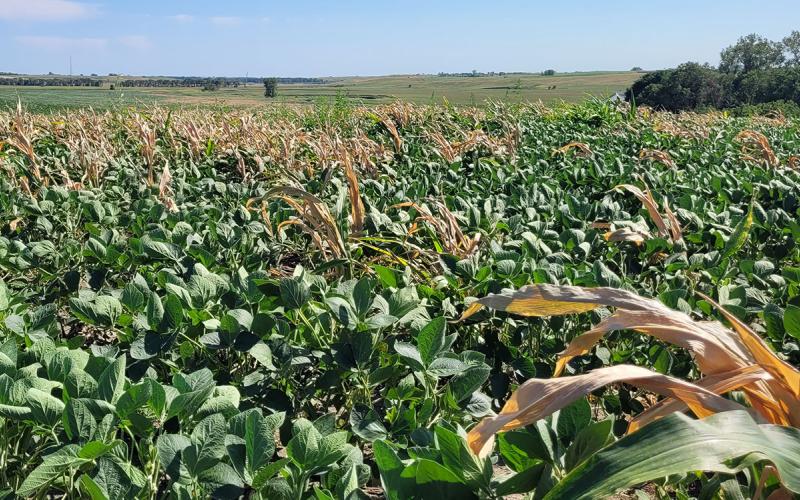
Stalk Grazing to Combat Volunteer Corn
Fall aftermath grazing by livestock, particularly cows, can dramatically reduce the amount of volunteer corn in the field. Learn some key benefits that stalk grazing can bring to your operation.
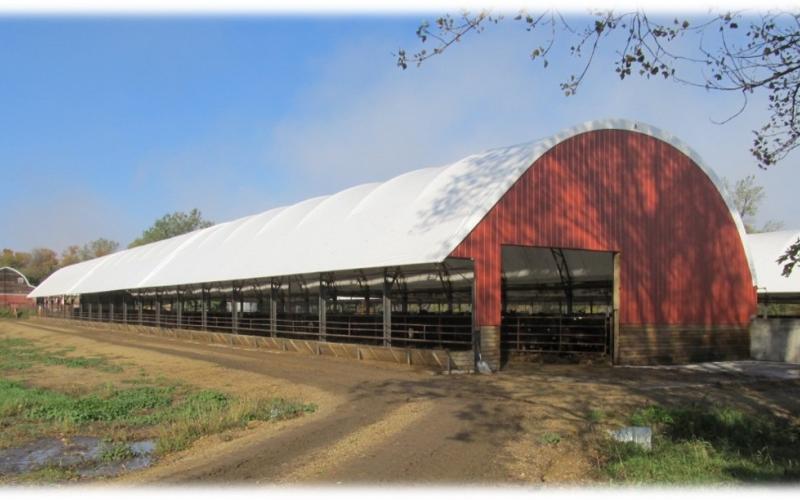
Cattle Confinement Facilities: Management Considerations
Confinement barns provide some advantages to both the animals and caregivers compared to outside pens or pasture systems.