Search

Preparing to Keep Pets Safe and Healthy During Flood Conditions
As is the case with providing for the care of livestock and other large animals during flooding, a little forward planning for the care of pets can really pay off when considering the disruptions that spring flooding can bring.
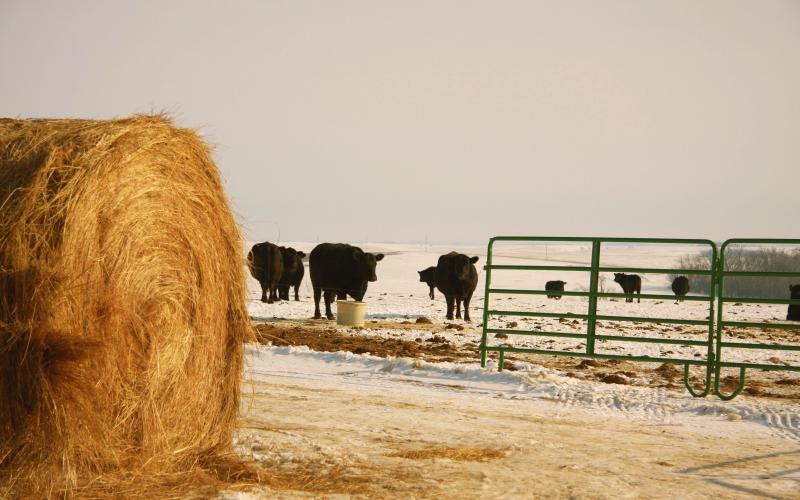
Tightening up Calving Season
One of the most important indicators of success in a cow-calf herd is reproductive efficiency of that population. A major profit-determining factor is the percent of calf crop weaned.
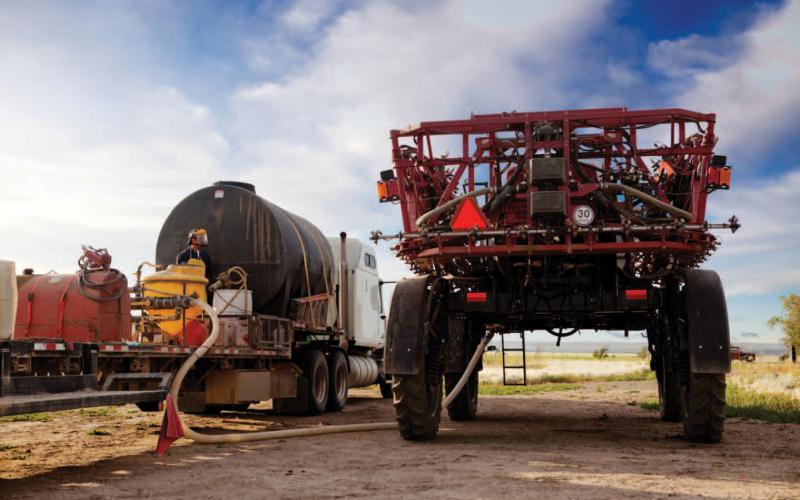
General Cleaning Recommendations for Sprayer Equipment
Crop damage could occur if sprayer clean-out is overlooked or not properly conducted. It is critical to always follow the procedure specified on the herbicide or commercial cleaner label to completely remove herbicide residue from the sprayer system.
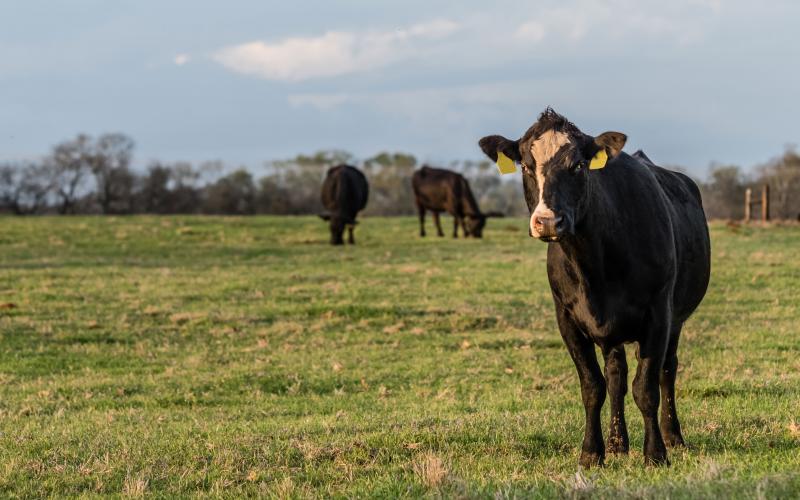
Using the Estrus Synchronization Planner
The Estrus Synchronization Planner has been available since 1998, developed by Iowa Beef Center. It has evolved over the years, proving to be an effective and easy tool to help select and implement synchronization protocols.
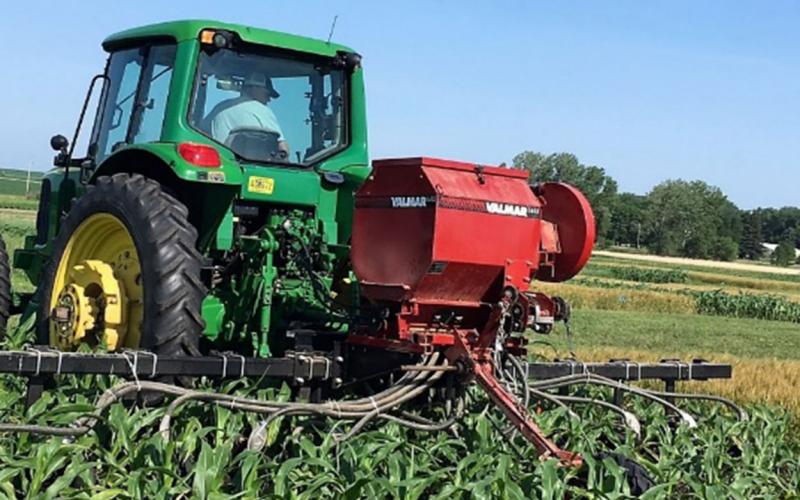
Interseeding Cover Crops Effect on Corn and Soybean Production: 2019
Incorporating cover crops into our cropping systems and moving from conventional tillage to no-till can improve soil organic matter, soil structure, and water and nutrient holding capacity of our soils.
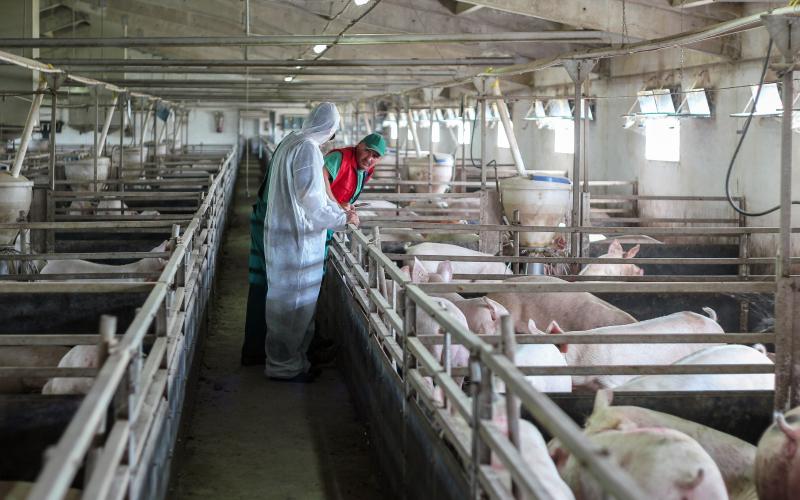
Staying on Top of Employee Training
Employees are one of the most valuable assets to a successful farm. Successful farms implement on-boarding of new employees and provide continued training to ensure proficiency and consistency in job duties.
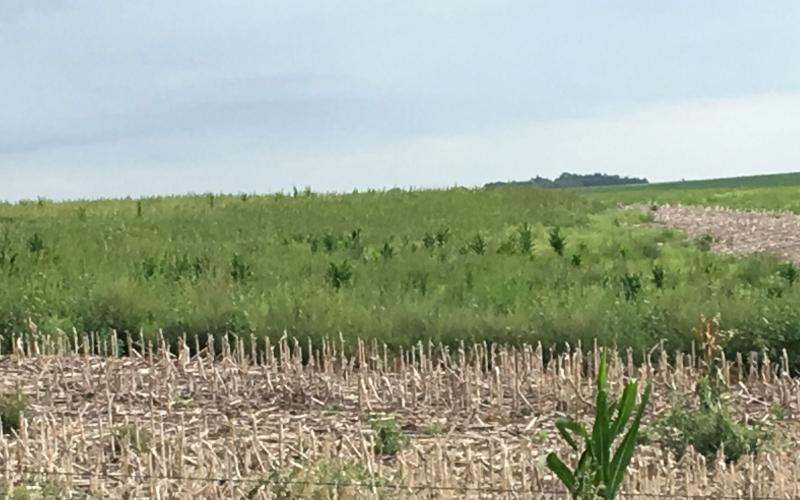
Managing Weed Seed in 2020
Producers need to plan in advance on how to deal with bare fields that contain an overabundance of weeds. Weeds in these fields have deposited significant amount of seeds on the soil surface, which can easily germinate when adequate moisture and temperature are available.
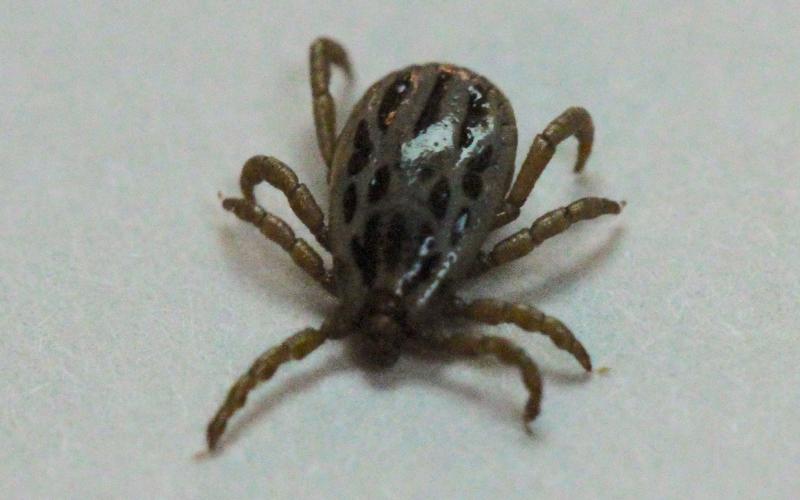
Winter Ticks in South Dakota
Winter ticks, also called moose ticks, are unlike other tick species because they are active during the winter months.
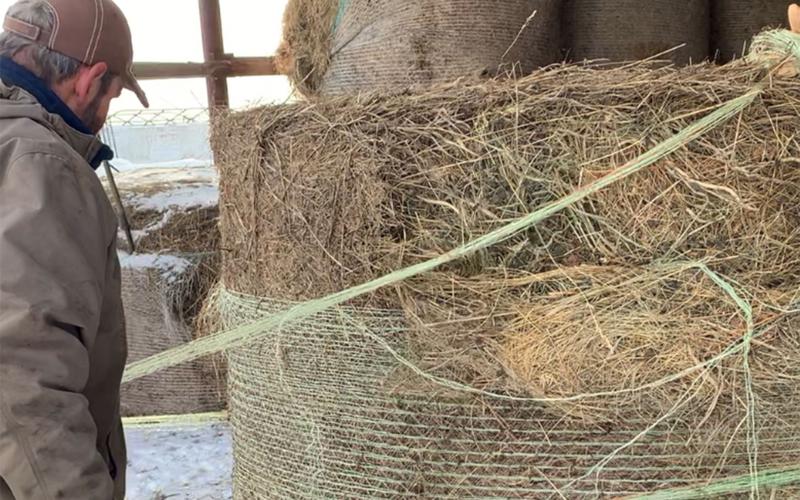
Net Wrap Removal Made Easy
I was approached by a cattle producer about efficiently removing net wrap. As many of you know, net wrap has its advantages as well as disadvantages, but is largely used as a hay binding material.
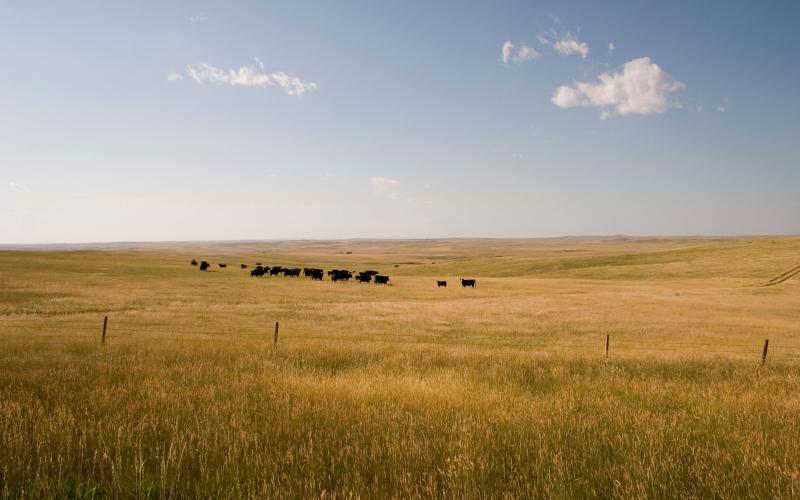
Rotational Grazing Improves Stocking Capacity and Ranch Profitability
Livestock stocking rate is considered as one of the most important decisions that ranchers can make, as heavy stocking rate causes grassland degradation and adversely impact the sustainable delivery of ecosystem services.