Search
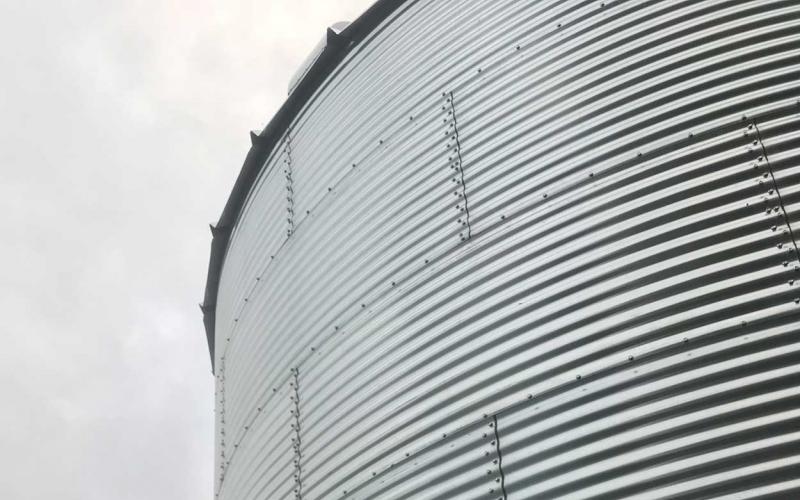
Steps to Prevent Stored Grain Infestations
As wheat harvest is underway it is important to ensure that grain bins are prepared in the best possible manner to prevent insect infestations. There are seven steps that can be taken to help reduce the chances of having infested grain.
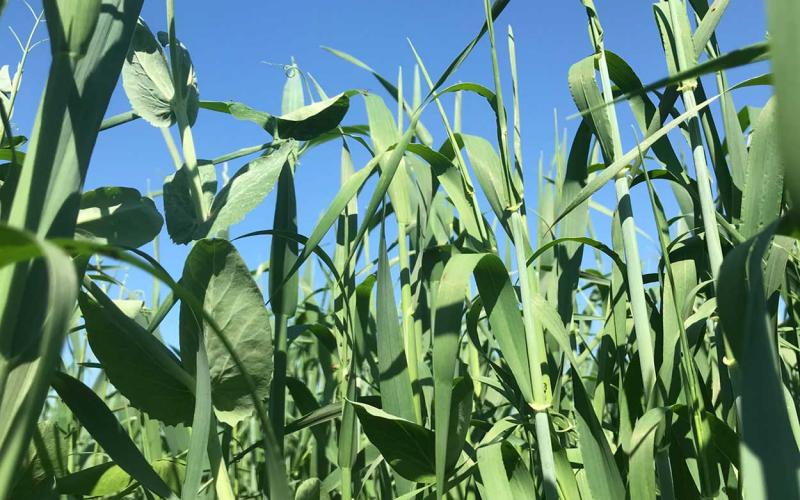
Cover Crop Considerations for 2020
Producers across South Dakota are harvesting small grains. These crops provide an excellent window for adding a cover crop into your rotation.
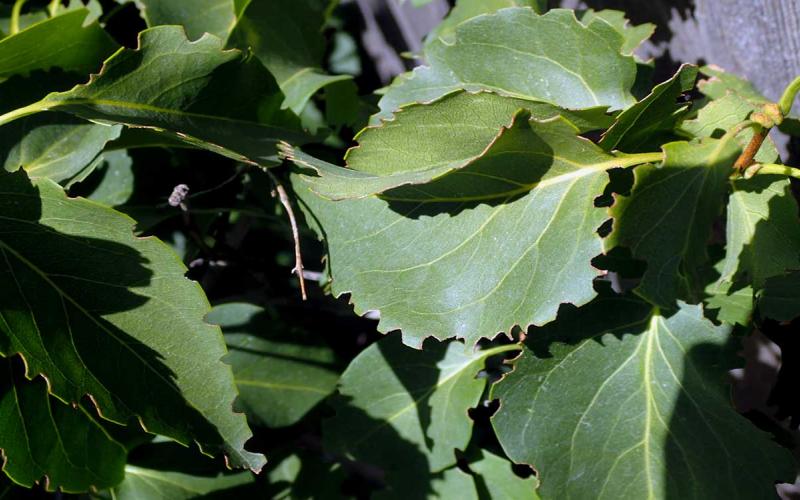
What Is Feeding on My Lilac Bushes?
There have been multiple reports of mysterious defoliation occurring on lilac bushes.The defoliation is often described as notches showing up around the edges of the leaves, resembling the edge of a saw blade.

Indian Corn & Popcorn
Beautifully hued ears of dried ornamental corn appear this time of year in autumn decorations. In South Dakota, each fall the Corn Palace at Mitchell sports fresh murals from the naturally colored corn.
SDSU Extension to Hold Workshops for Beginning Farmers/Ranchers Looking for Land
August 04, 2020
SDSU Extension will host Farmland for the Next Generation, an eight-week virtual workshop series, beginning August 31.
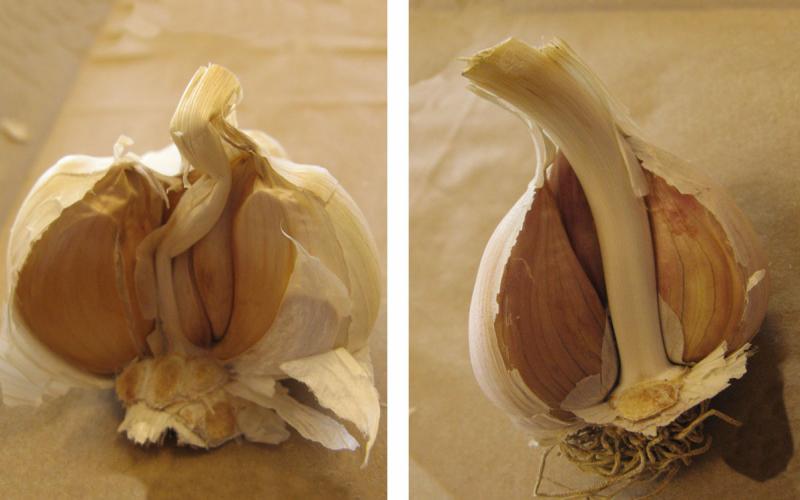
Planting Garlic
Garlic is planted late in the fall, before the soil freezes. It is easy to grow, takes very little space and is a true treat. Grow some yourself this fall to enjoy next year!
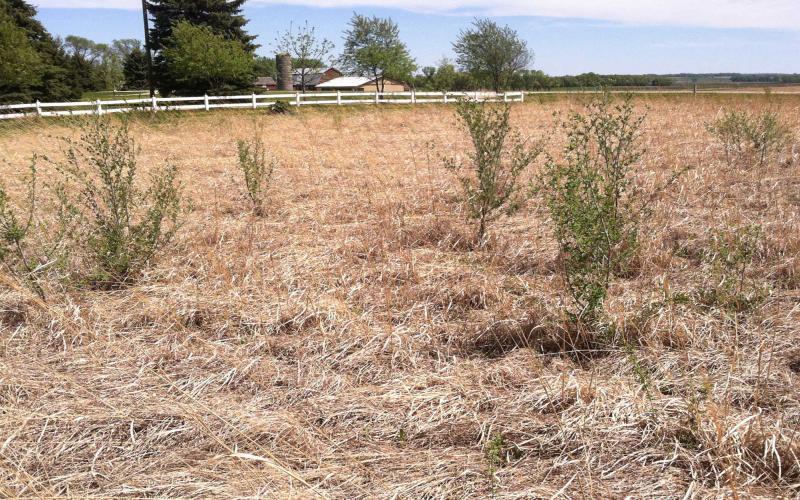
Removing Young Trees From Grasslands Will Save Money and Effort
Volunteer trees can hinder the development of desirable wildlife habitat and livestock resources. Early control of volunteer woody species is the simplest and most cost-effective option for maintaining open grassland habitats.
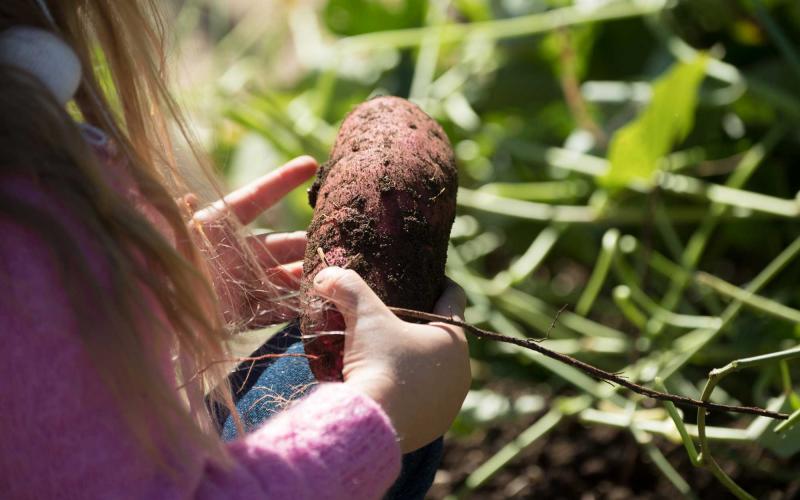
Harvest Helpers
At the completion of this lesson, learners will be able to identify root and non-root fruits and vegetables and learn harvesting skills.

Preservation Station!
At the end of this lesson, participants will be able to list the most-common methods used to preserve fruits or vegetables.
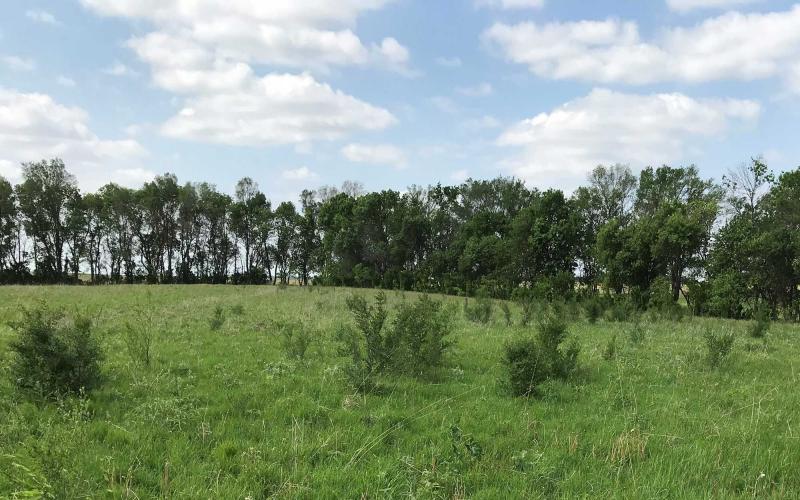
Removing Mature Shelterbelts From Grasslands
Under what circumstances would removal of mature shelterbelts be warranted? This is a common question often asked in wildlife and conservation circles.