Search
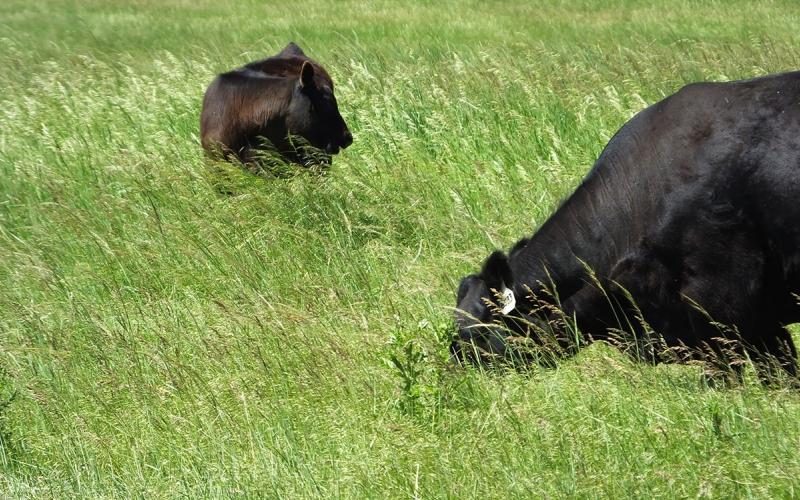
Grass-Fed Beef: Understanding Terminology in Conventionally Raised Beef and Grass-Fed Beef
What makes grass-fed beef different from conventionally raised beef? This is perhaps the most-common and sometimes most-complex question that arises amongst those hoping to understand the similarities and differences between conventional and grass-fed beef.
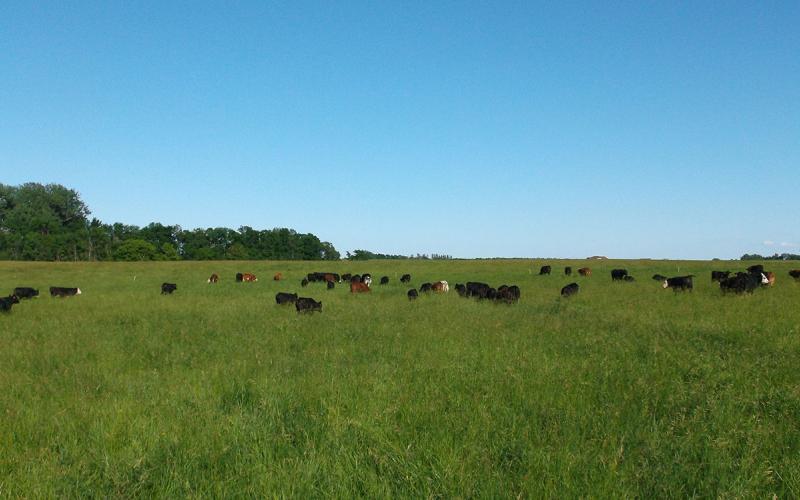
Grass-Fed Beef: Market Share of Grass-Fed Beef
So, how significant is the grass-fed beef industry in America? About four percent of U.S. beef retail and food service sales is comprised by grass-fed beef with a value of roughly $4 billion.
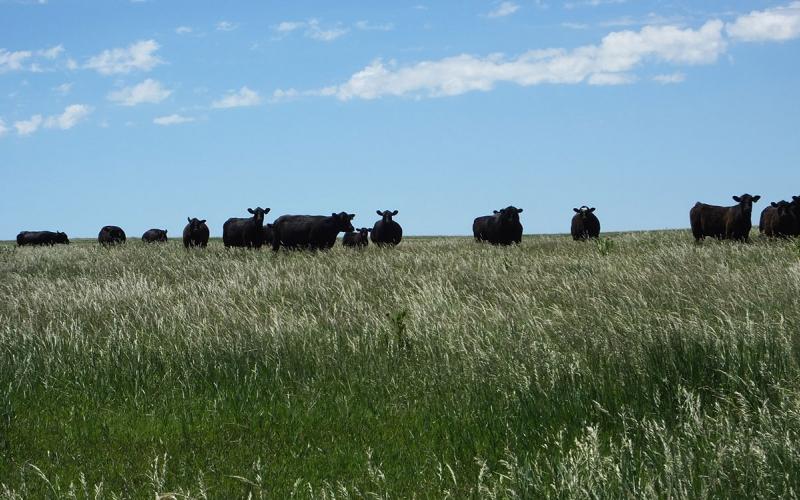
Grass-Fed Beef: Production Costs, Quality, Voluntary Certifications and Marketing
Generally speaking, grass-fed beef producers are challenged with production expenses that are greater than those of conventionally raised beef. However, profit margins can be greater than those of conventionally raised beef if marketed wisely and creatively.
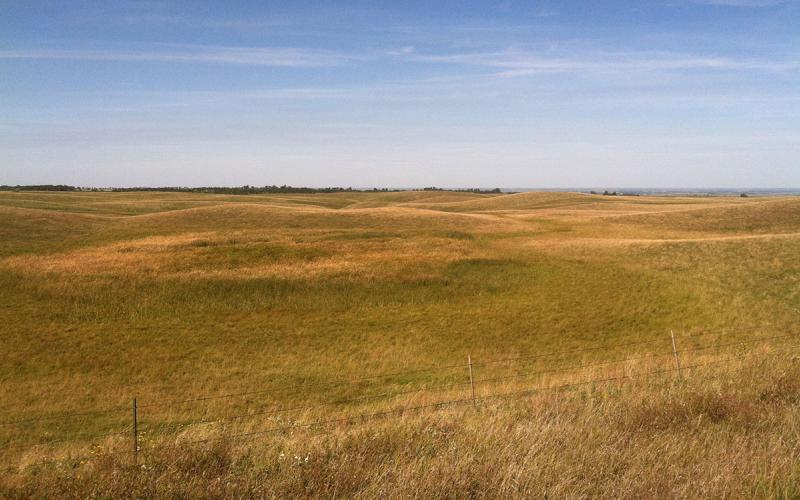
Grassland Management Do’s and Don’ts
This article is intended to address the variety of questions we receive related to establishing, re-establishing and maintaining grass-based plantings for grazing, hay, wildlife and recreation.
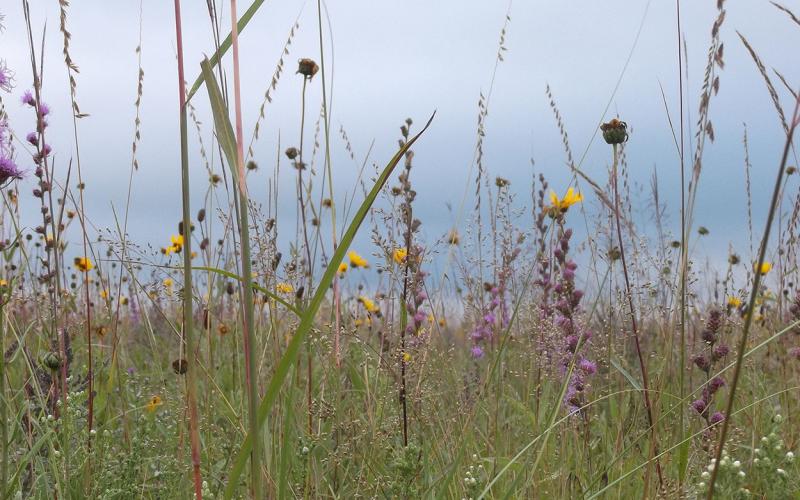
Partnerships Are Keys To Preventing Endangered Species Impacts
South Dakota’s farmers and ranchers have significant influence on the management of our state’s natural resources, especially grasslands and the species that inhabit them. These species remind us of the importance of natural resources management for the greater good.
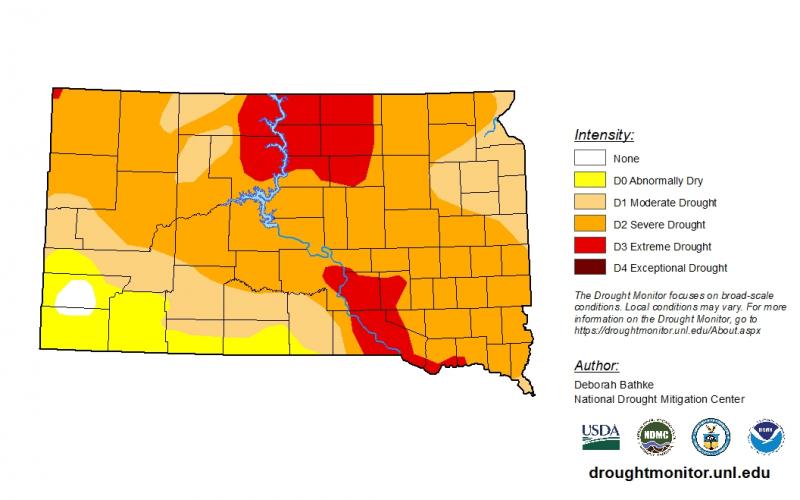
July Drought Hours to Address Livestock Nutrition, Crop Quality Concerns
July 15, 2021
More South Dakota acres are now in an extreme drought condition as lack of moisture and high temperatures continue to impact much of the state.
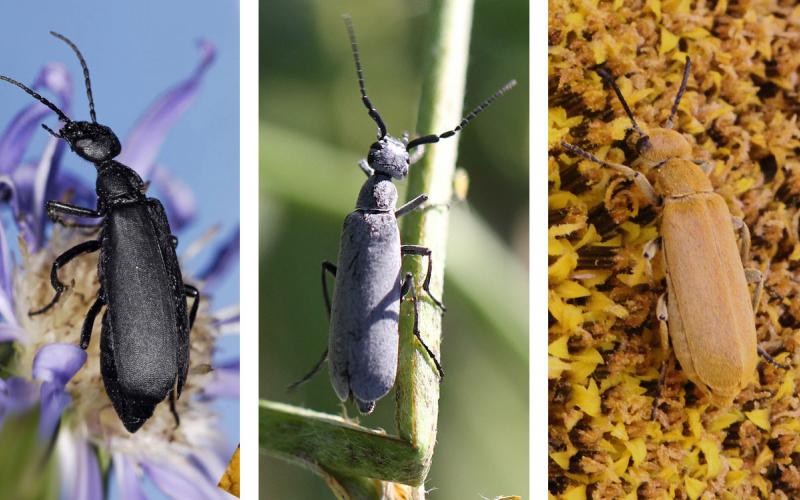
Blister Beetles Showing up in Alfalfa Fields
Blister beetles are now active in South Dakota. Although the larvae of blister beetles can be beneficial by feeding on grasshopper eggs, the adults cause issues when large populations are present in alfalfa at the time of harvest.
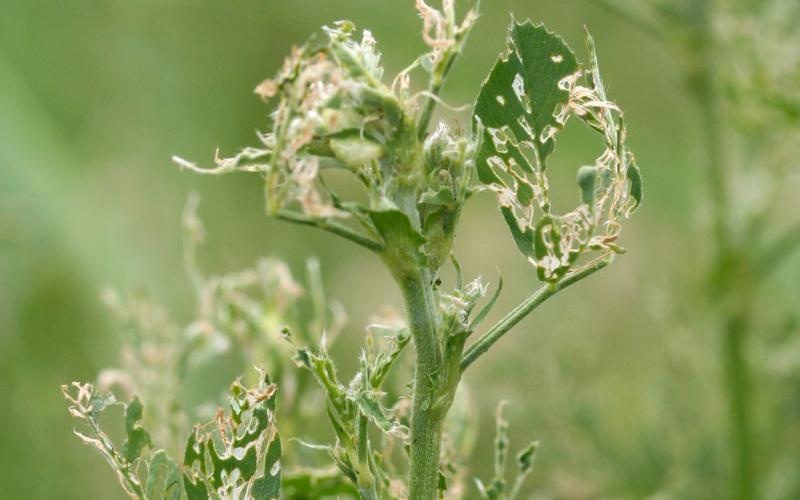
Keep Scouting for Alfalfa Weevils
This week we received a report and picture confirmation of early-instar alfalfa weevil larvae in an alfalfa field. Although most alfalfa fields were treated for alfalfa weevils before the first cutting, those fields still need to be scouted.
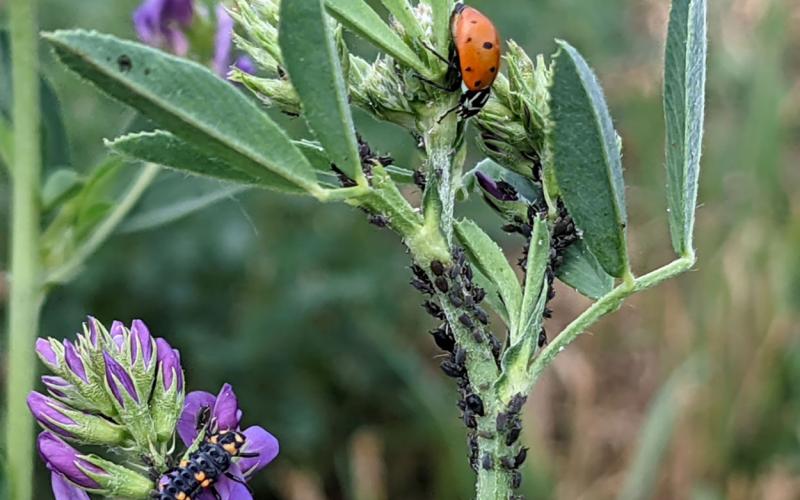
Cowpea Aphids Infesting Alfalfa
Typically, we worry about pea aphids in alfalfa. However, we noticed that cowpea aphids were present on alfalfa this week. If left unmanaged, cowpea aphids can stunt alfalfa, reduce yields and even kill the plants during severe infestations.
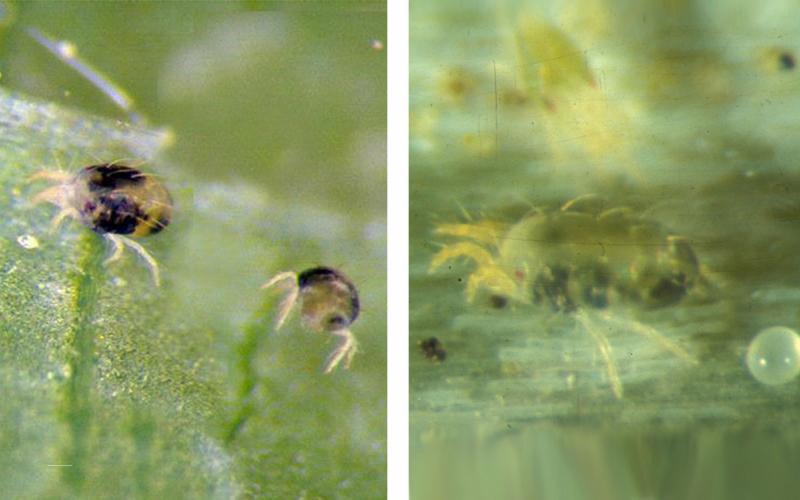
Spider Mites Reported in South Dakota Crops
With drought conditions continuing in South Dakota, it isn’t surprising that two-spotted spider mite infestations are being reported throughout the state. With hot temperatures in the forecast and limited chances for precipitation, we can expect spider mite populations to thrive in infested fields.