Search
July 2019 Climate Outlook: Challenges Continue
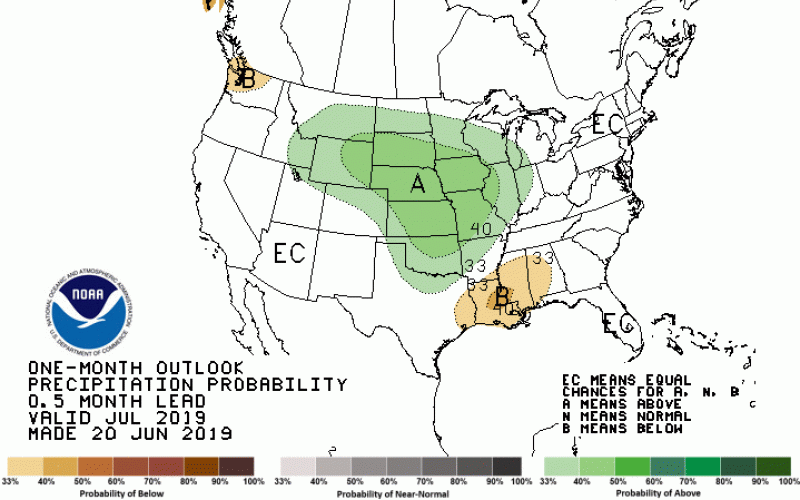
This year’s seasonal pattern of wetter than average conditions is projected to continue through July and the rest of the summer season. The latest climate outlook, released June 20, 2019, shows an increased chance of wetter than average conditions in the next one to three months for the state of South Dakota.

Ditch Hay: Harvesting, Quality, and Feeding
Using ditch hay to feed cattle is a common practice across the U.S. It provides livestock producers with a source of readily available forage, which can be very useful, particularly during feed shortages.
Water Importance in Lactating Dairy Cows
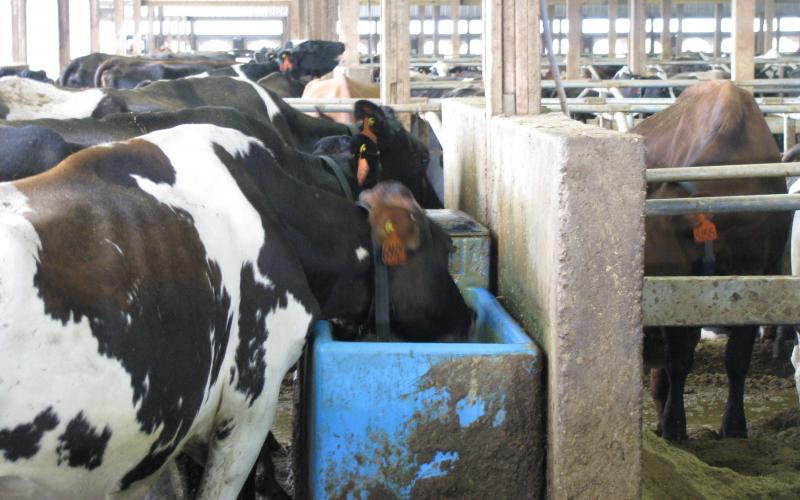
When considering the importance of water in lactating cow diets, we need to remember that milk is 87 percent water, and its consumption is directly correlated with milk production and feed intake. Water also makes up anywhere from 55 percent to 70 percent of the body weight of a lactating dairy cow, depending upon the phase of the lactation cycle.
Dealing With Heat Stress in Dairy Cows
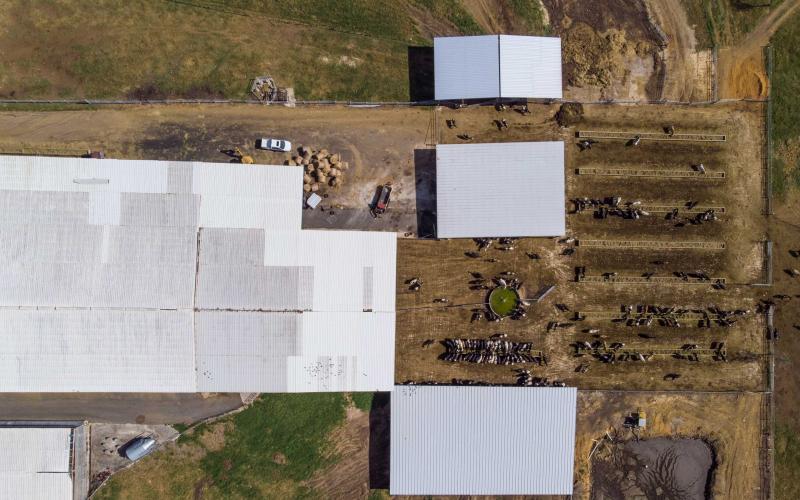
Alleviating heat stress is critical to milk production. Heat stress from high environmental temperatures can be compounded by mistakes in managing and feeding cows. Water is your first concern during periods of high temperatures.
Mineral Sources May Impact Reproductive Efficiency
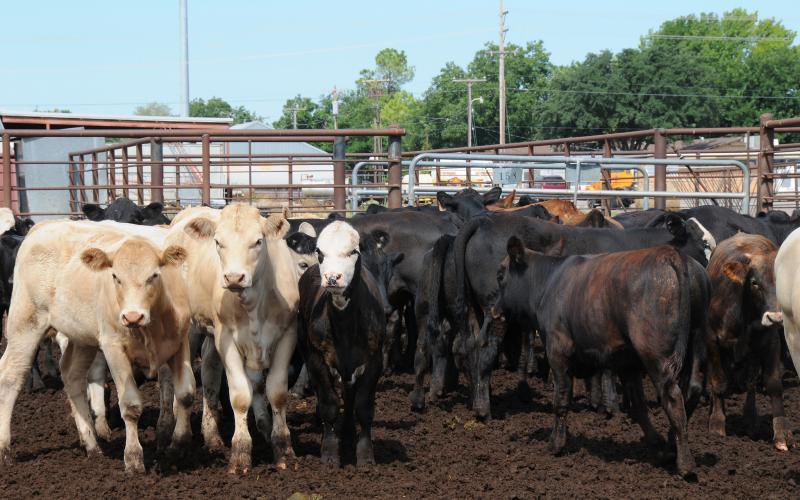
It is well-known by producers and feed specialists that trace minerals play an essential role in physiological functions. Minerals like copper, iodine, manganese, selenium, and zinc are important in embryonic development.
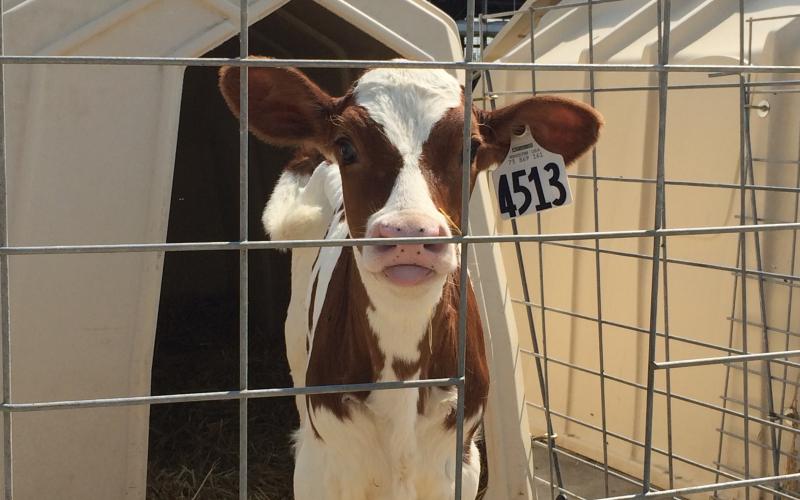
Understanding and Mitigating Heat Stress in Young Dairy Animals
We often don’t focus as much on heat stress in young dairy calves and tend to focus more on cold stress. However, it is just as important and producers or calf raisers should have a plan in place to help mitigate heat stress in these animals also.
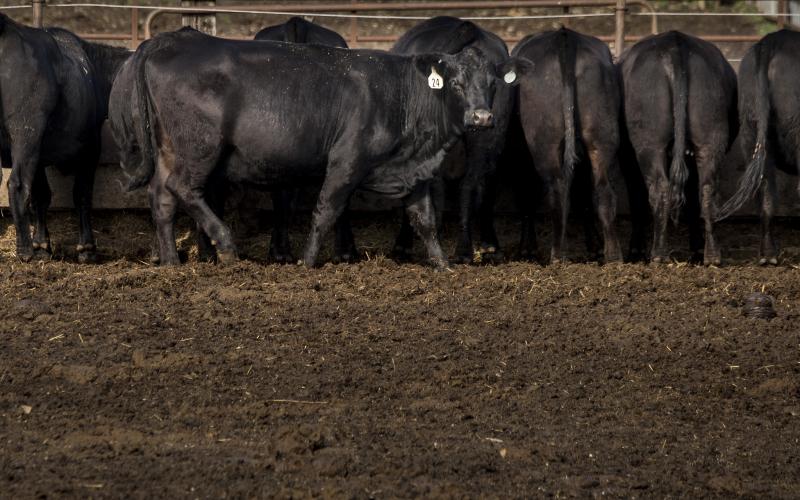
Do Temperament and Breed Type Play a Role in Feeding Efficiency and Carcass Quality?
Is there a relationship between temperament and profitability in cattle? A recent study conducted by Texas A&M University took a closer look at the impacts that temperament and breed types can have on feedlot growth performance, feed efficiency, feeding behavior, carcass characteristics, and value in finishing beef heifers.
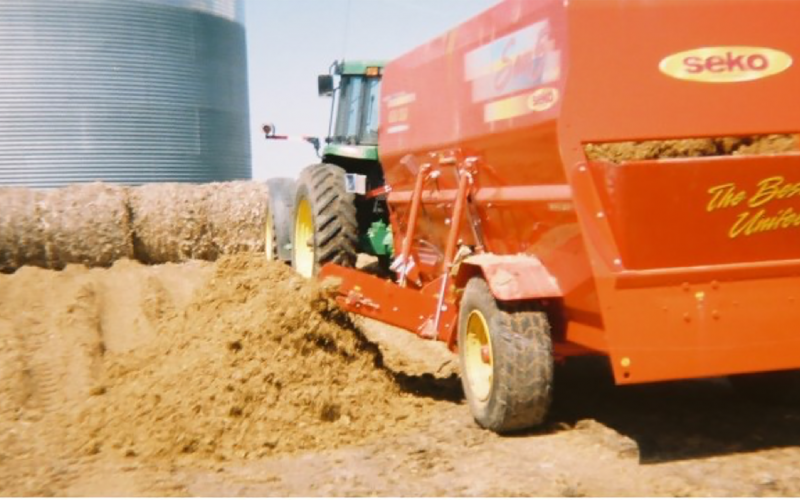
Storing Wet and Modified Distillers Grains
One of the primary challenges for livestock producers in the coming months could very well be feedstuff cost and availability due to the fact that the corn planted acreage and crop progress are both well behind normal benchmarks. One opportunity that might help cattle feeders proactively secure feed supplies would be storing wet or modified distiller’s grains now to be fed at a later date.
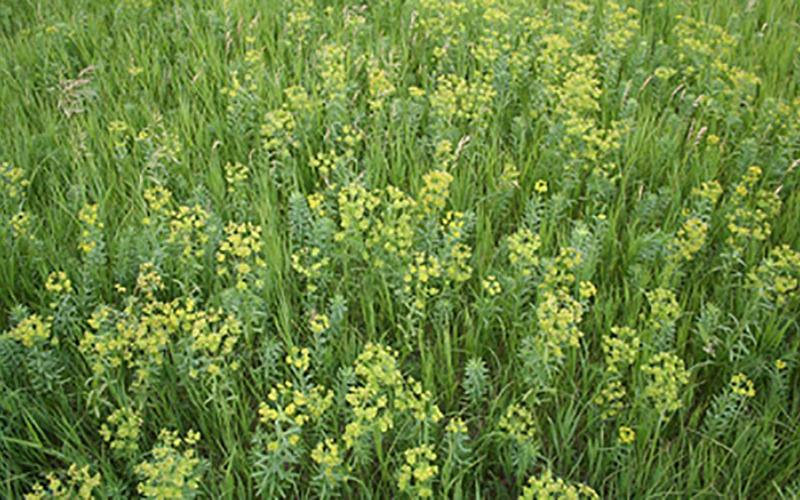
Spot Treatment Options for State Noxious Plants
When controlling grassland weeds, the mindset of row crop weed control may be put into practice too often. In most cases, broadcast control of weeds in grasslands is rarely necessary. Most often, spot treatment can be used more effectively to manage the noxious and invading weeds.

Ensuring Quality Milk Replacer Through Proper Storage
Milk is the source of nutrients in newborn mammals. When mother’s milk is not available, a milk replacer is utilized. To ensure the proper growth and health of the young newborn, it is critical provide a quality milk replacer and proper storage of this product is a key component for success.