Search
Stalk Grazing to Combat Volunteer Corn
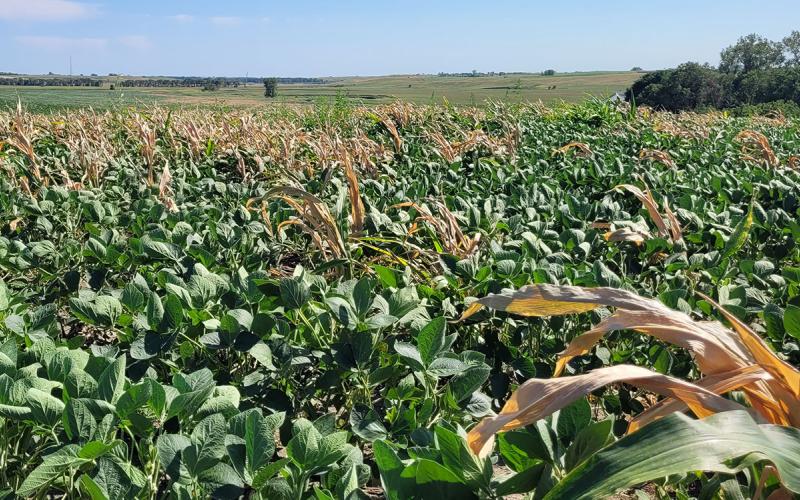
Fall aftermath grazing by livestock, particularly cows, can dramatically reduce the amount of volunteer corn in the field. Learn some key benefits that stalk grazing can bring to your operation.
Tale of Two Watersheds
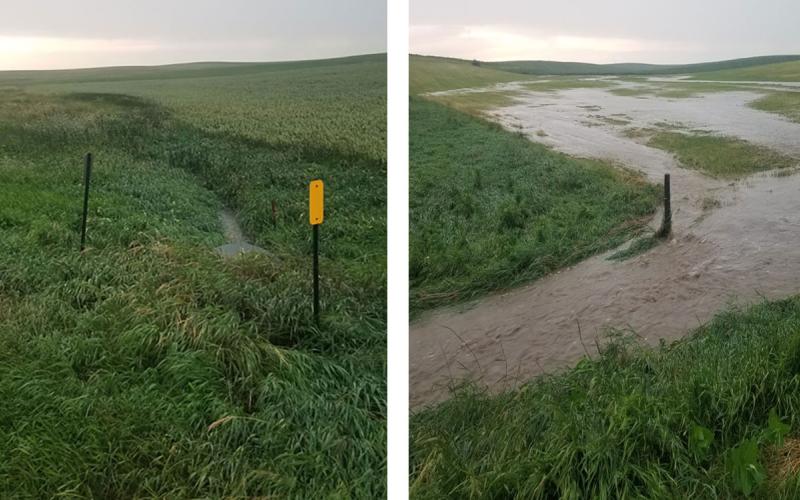
See the difference that cover crops and a no-till cropping system can have on watersheds when high winds and heavy rains impact our region. The difference in the amounts of run-off water is astounding!
38th Annual Rangeland and 17th Annual Soils Days Held in Murdo
August 15, 2022
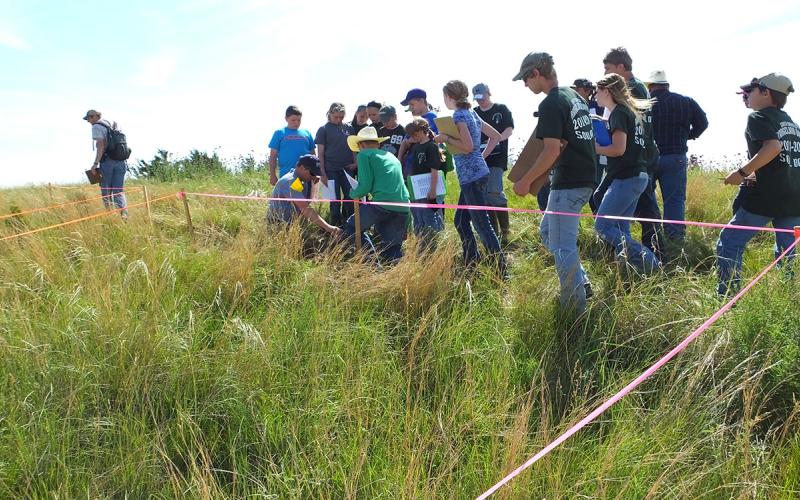
SDSU Extension, along with the Jones County Conservation District and the South Dakota Natural Resources Conservation Service (NRCS), hosted the 38th Annual Rangeland and 17th Annual Soils Days June 14-15, 2022, in Murdo, South Dakota.
What To Do About Chiggers
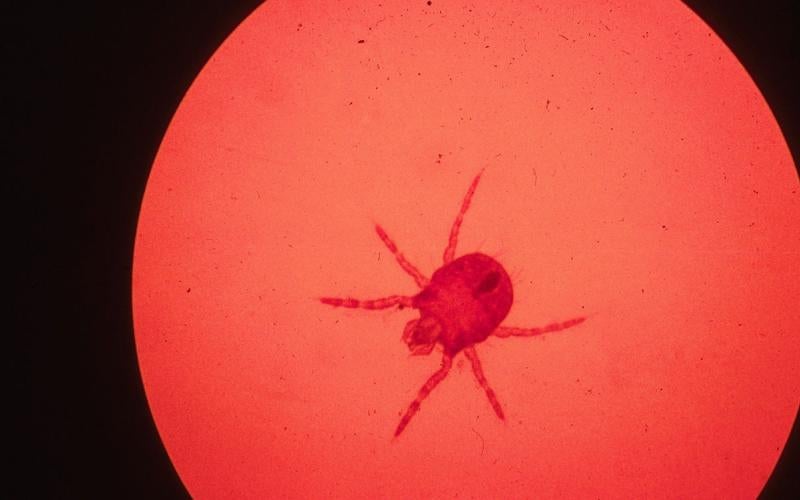
Chiggers are a persistent summer arthropod pest that many people want to get rid of in their lawns. While it is understandable that people want to eliminate them, the best defense against chiggers is being prepared before going outside.
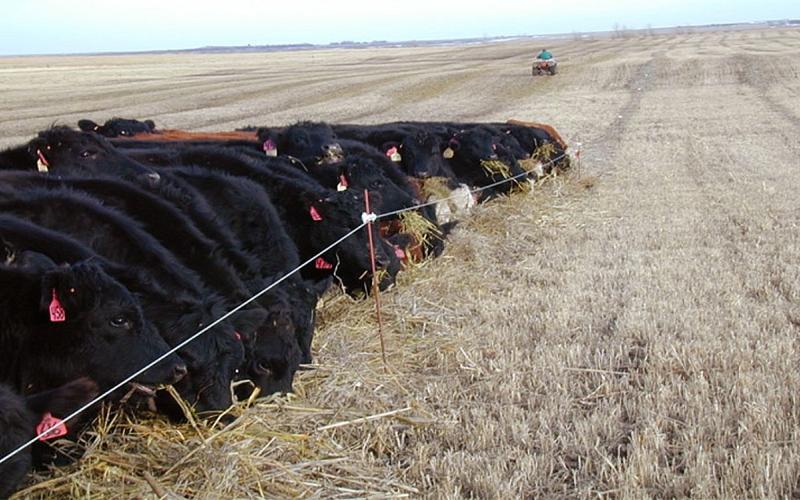
Swath Grazing
Swath grazing can be utilized with various crops and can improve utilization of the crops for feed, while decreasing fuel, harvest and feeding costs and also improving soil health.
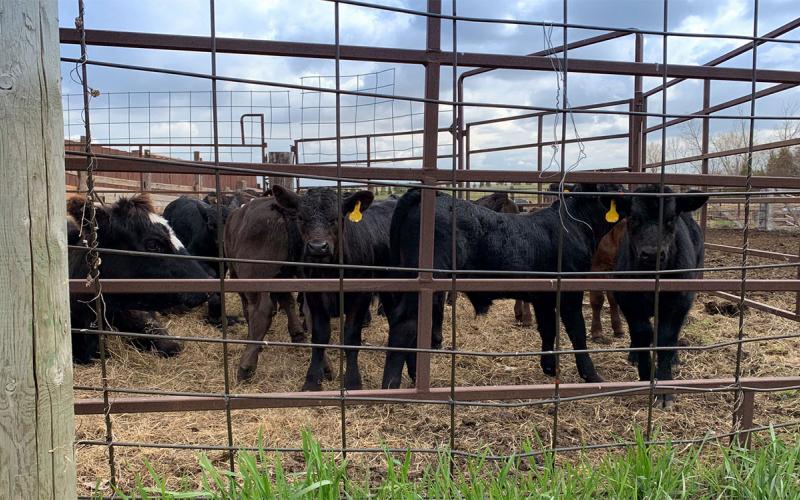
Managing Earlier Weaned Calves
Weaning calves at an earlier-than-normal age is a proven strategy to reduce grass demands by 25% or more during drought conditions. Learn some key management considerations for getting started.
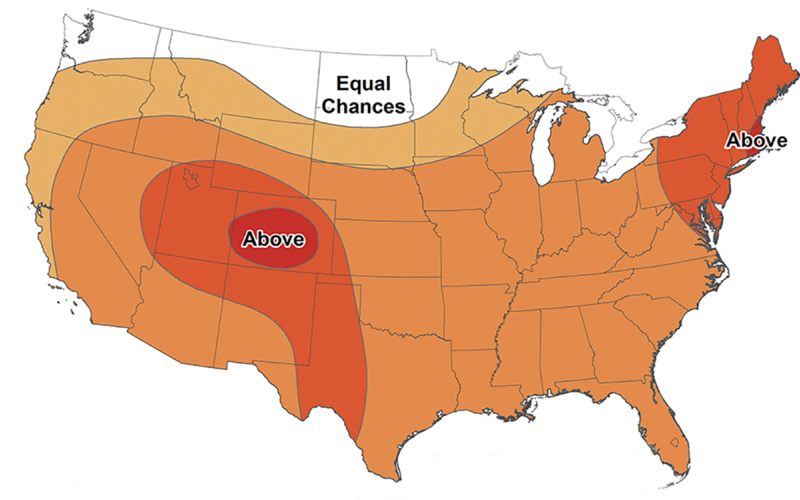
2022 Fall Climate Outlook
Summertime is coming to an end soon, and September is right around the corner. The questions we hear this time of year are often about fall harvest weather for corn and soybeans, planting for winter wheat and our first fall frost.
SDSU Extension Hosts First South Dakota Watershed Academy
SDSU Extension recently hosted the South Dakota Watershed Academy at the Oak Lake Field Station. The workshop was designed and organized in consultation with USDA Natural Resources Conservation Service to provide information on water resources regulation and monitoring.
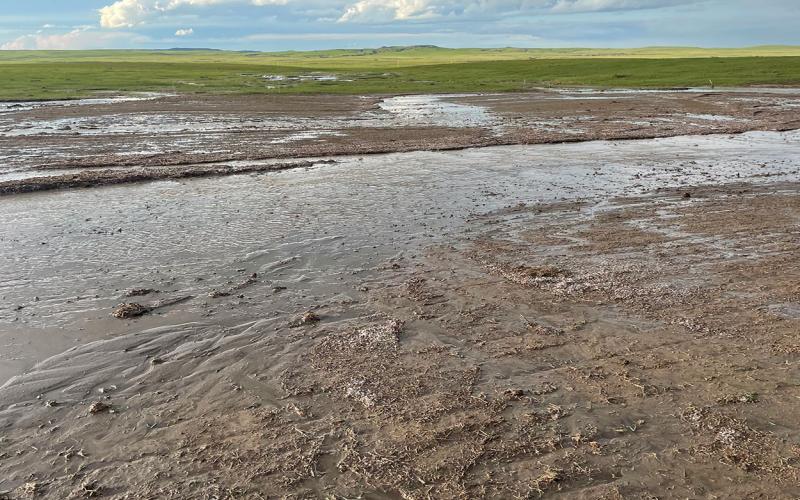
Five Range Management Principles: #4 Residual Forage
Residual forage is the amount of green leaf left after a grazing event. Understanding its importance can help producers capitalize on the symbiotic relationship that occurs when soil health is front and center on rangelands.

Is Agritourism for You?
Do you like people and wish to provide educational or entertainment opportunities that showcases your farm or ranch? If so, agritourism is an opportunity you may wish to explore!