Search
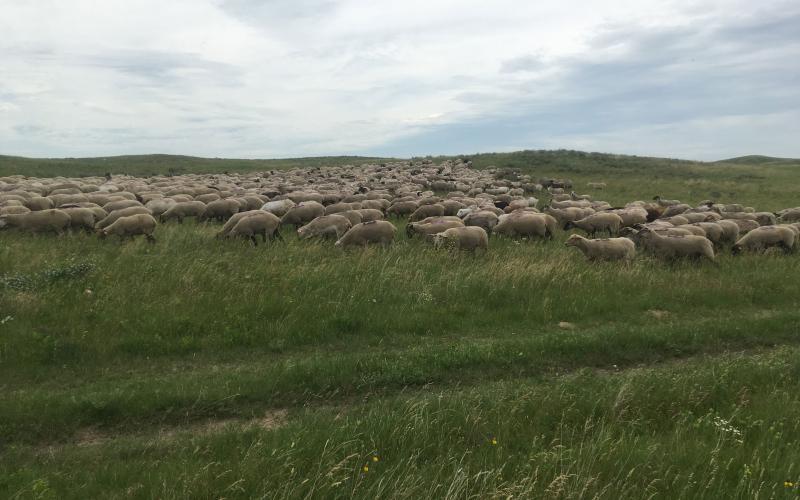
Multi-Species Grazing as an Alternative to Pasture Spraying
Broadacre spraying of pastures is intended to reduce undesirable plants and increase grasses for livestock. This practice often results in unintended consequences, including damage and reduction of native forbs and reduced profitability. One approach to managing perceived “weedy” plants is incorporating different species of livestock into a grazing operation.
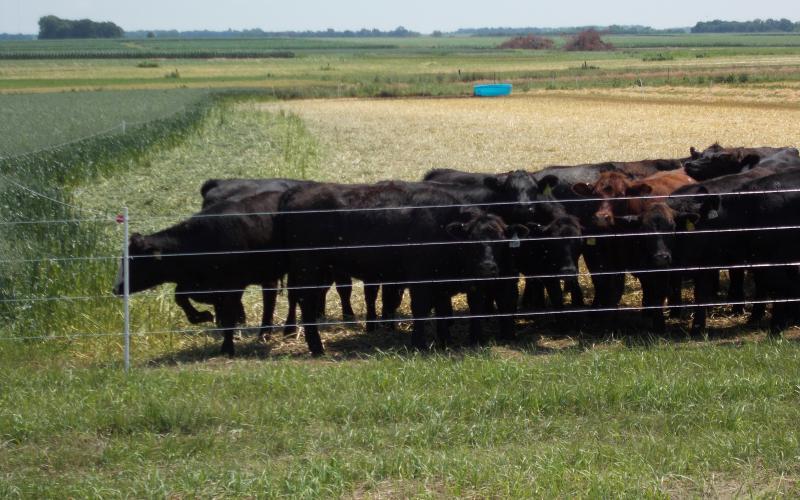
Weaning Calves on Cover Crops
What do we do if it is time to wean calves, but the pen isn’t ready? That can be a real concern during wet fall seasons, such as 2019. Putting calves into muddy pen conditions is far from desirable, but holding calves on the cows deep into fall increases the risk of adverse winter weather and tends to pull body condition off the cows.
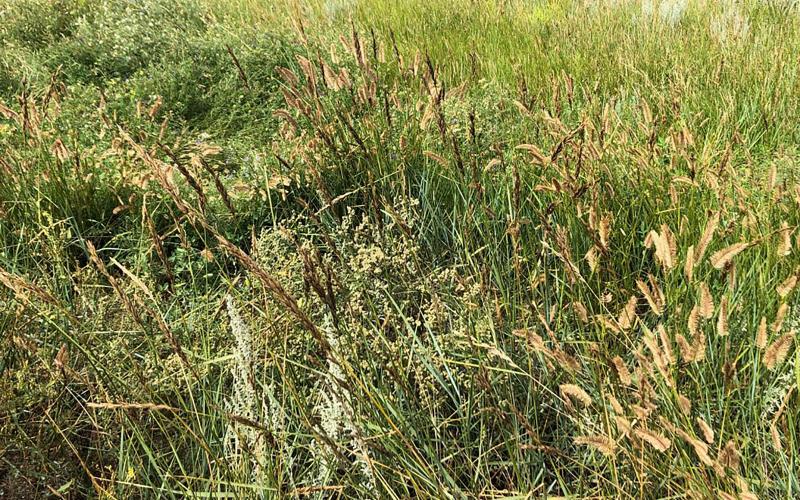
Ergot in Western Wheatgrass and the Potential Effects for Winter Grazing
2019 has been a year fraught with challenges for ranchers across South Dakota. Abundant precipitation is usually a blessing, however, wet conditions coupled with a cool spring followed by warmer temperatures has caused another problem across the rangelands of South Dakota: ergot poisoning.
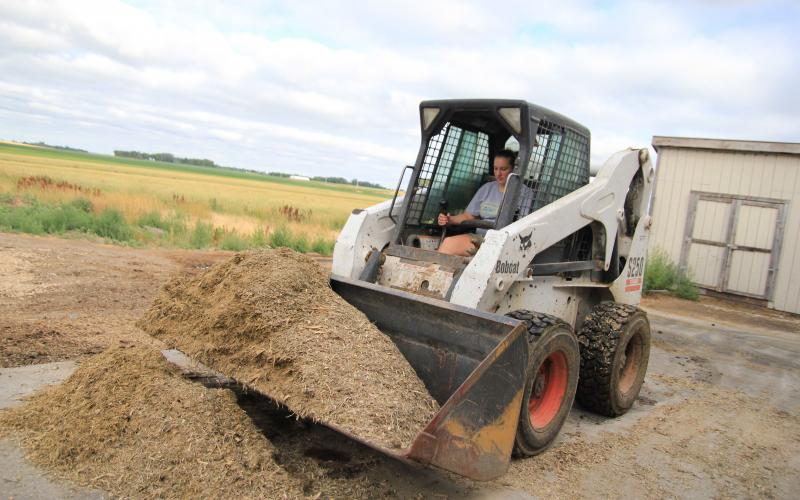
Skid-Steer Safety: Are You and Your Employees Practicing It?
One piece of machinery used daily on many farms, especially dairies and acreages, is a skid-steer. Owners and employees need to be aware of the correct operating procedures for this equipment and make sure that all who are operating the skid-steer have had adequate training in its operation.
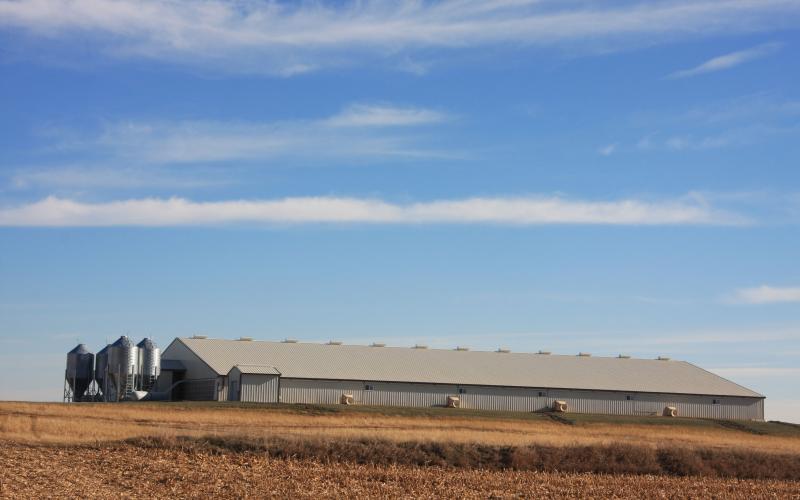
Pork Producers and the One Health Movement: Actions at the State Level
The term “One Health” has been coined to describe the concept that the health of people, animals and their environment are inextricably linked. The most commonly considered examples of One Health in practice are zoonotic diseases. For pork producers, influenza strains that originate in pigs, but pass to people are a pertinent example.
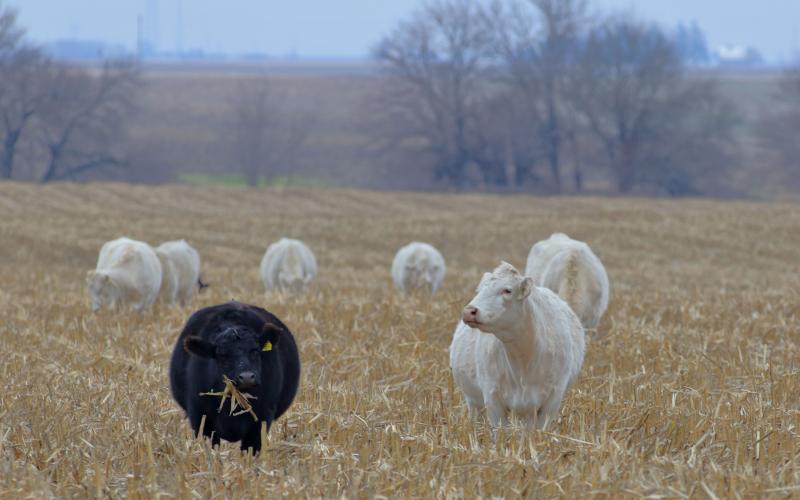
Farm Practices That Improve Soil Health: Integrated Crop-Livestock Systems
An integrated crop-livestock system can provide an alternative management strategy that benefits producer’s income, soil health, and the environment—all while increasing production.
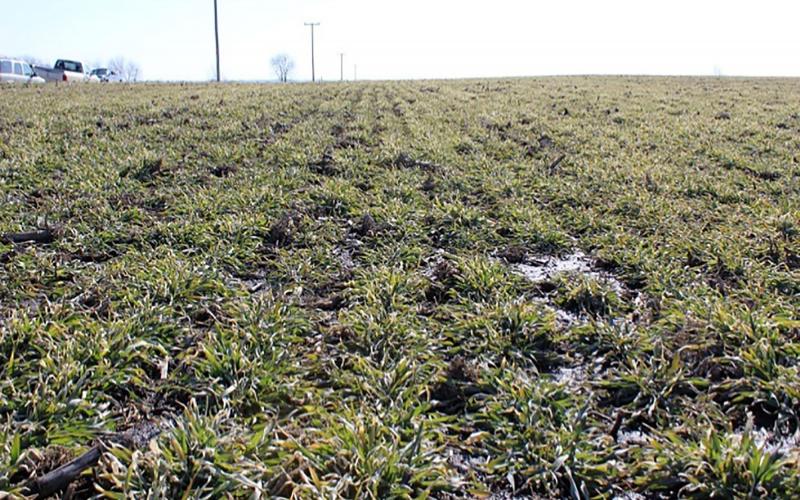
Farm Practices That Improve Soil Health: Cover Crops and Crop Residues
Planting cover crops and returning crop residues (stover) to the soil both adds nutrients and improves overall soil quality. These practices are common with producers across South Dakota and have been recently studied by researchers to identify how they impact the release of greenhouse gases into the atmosphere.
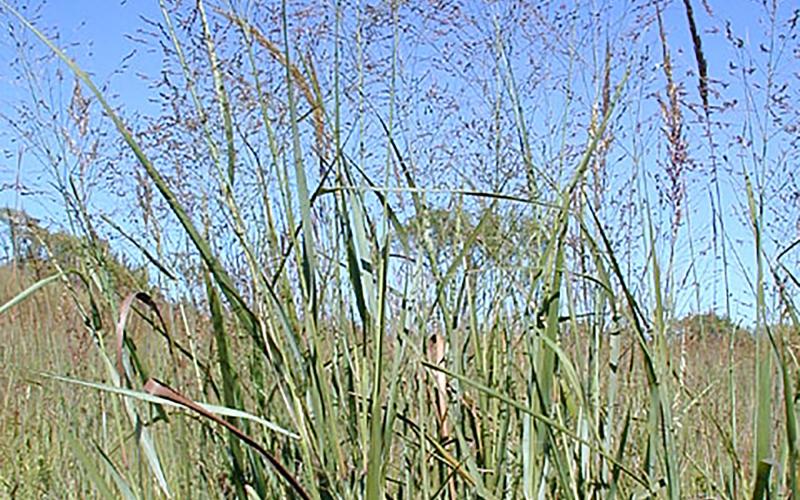
Farm Practices That Improve Soil Health: Planting Switchgrass on Marginal Lands
Switchgrass (Panicum virgatum) is a tall, native, prairie grass that is often seeded on marginal lands in South Dakota. It has gained growing popularity over the past decade not only as a source of biofuel and feed, but also as a method to improve soil properties.
![A green tractor planting seeds in a no-till field. Courtesy: United Soybean Board [CC BY 2.0] via Flickr](/sites/default/files/styles/teaser_800x500/public/2019-10/W-00433-00-no-till-planting-soybeans-field.jpg?h=b2774bcf&itok=4KjGmXKP)
Farm Practices That Improve Soil Health: Crop Rotations and No-Till
Implementing crop rotations and no-till practices are common suggestions to reduce erosion, control pests, and improve yields. These practices can also improve soil health through an increase in soil carbon levels.
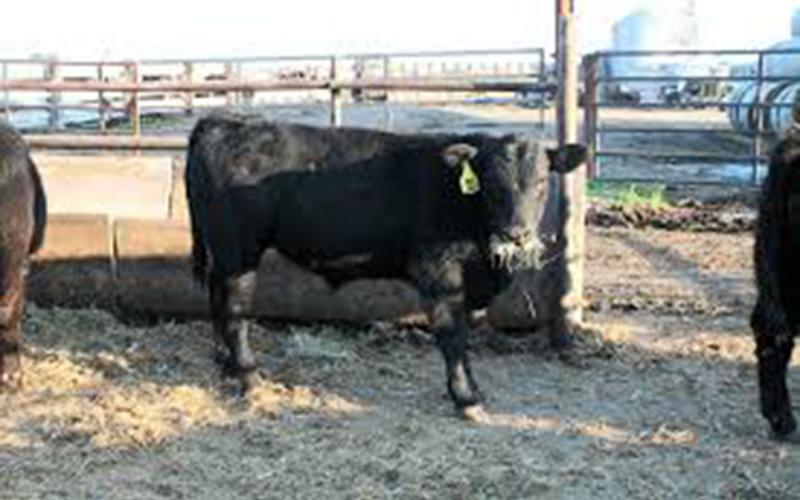
Choosing Beef Genetics for Use in Dairy Herds
Combinations of new technologies and economic challenges often usher in sweeping changes and opportunities. The use of beef genetics on dairy cows is the most-recent example.