Search
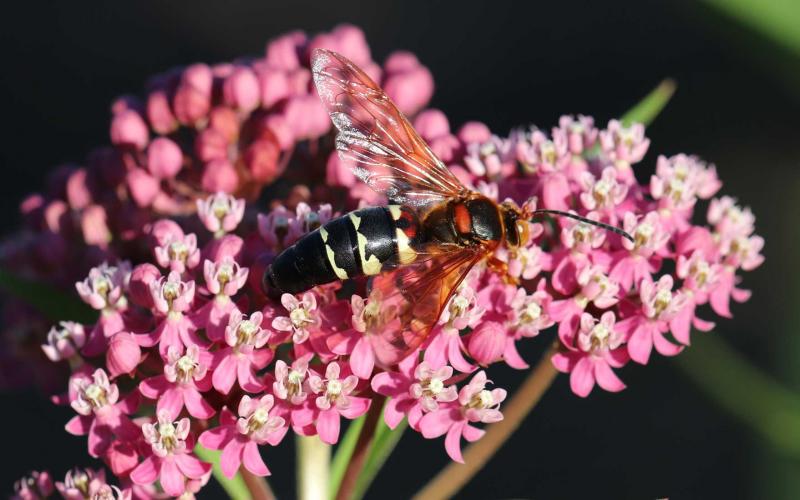
Giant Wasps Are Invading My Yard! No, They Still Aren’t Murder Hornets.
Every year we receive multiple reports of giant wasps that seem to invade yards and gardens. These wasps aren’t the same as the so-called "murder hornets," but are actually cicada killer wasps.
Drought Management Tips for Beef Cattle Producers
Fact sheet with tips for Beef Cattle Producers for Drought Management
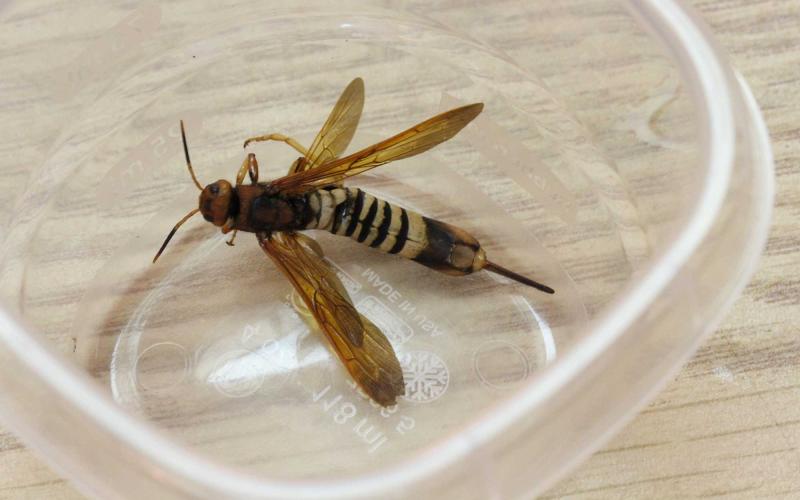
Huge Wasps on My Tree! No, Those Still Aren’t Murder Hornets.
Another insect that has been mistaken for the Asian giant hornet (also known by its media-popularized name of ‘murder hornet’) is the horntail wasp. Horntail wasps are wood-boring insects that are harmless to humans, as they do not have venom and cannot sting.
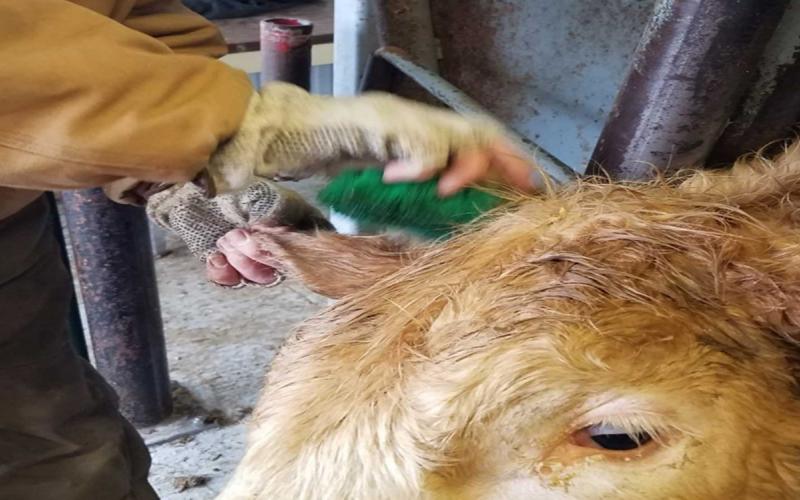
Getting Implant Application Correct
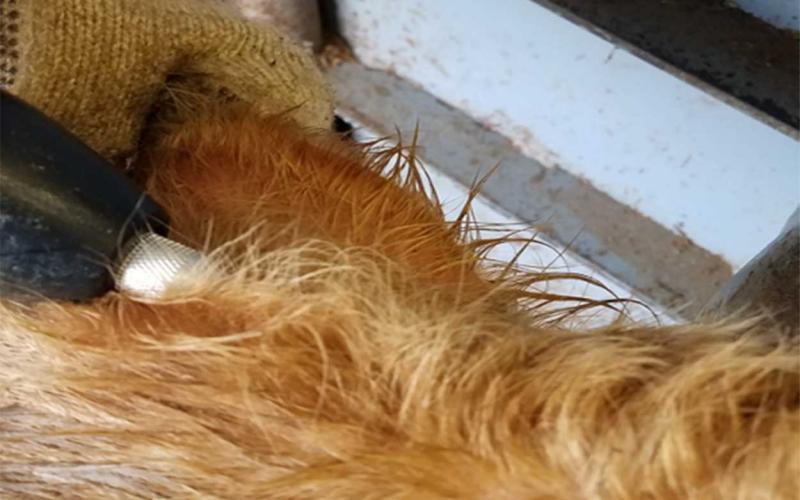
How would you like to make a few thousand dollars per hour? When cattle backgrounders and feeders use growth promoting implants correctly, those returns are not a pipe dream. The key is administering the implant correctly.
Questions and Misconceptions Surrounding Implants
Growth promoting implants are among the most widely used technologies in the beef industry. The first implant received FDA approval in 1954, yet in spite of a long history, there are still myths and misconceptions surrounding their use.

Capitalizing on Cow Costs
Feeding cows is one area of consideration when analyzing the cost of keeping a cow through her production year. Through small management choices, we can decrease the cost of the cow while maximizing on opportunities.
September 2020 Climate & Drought Outlook
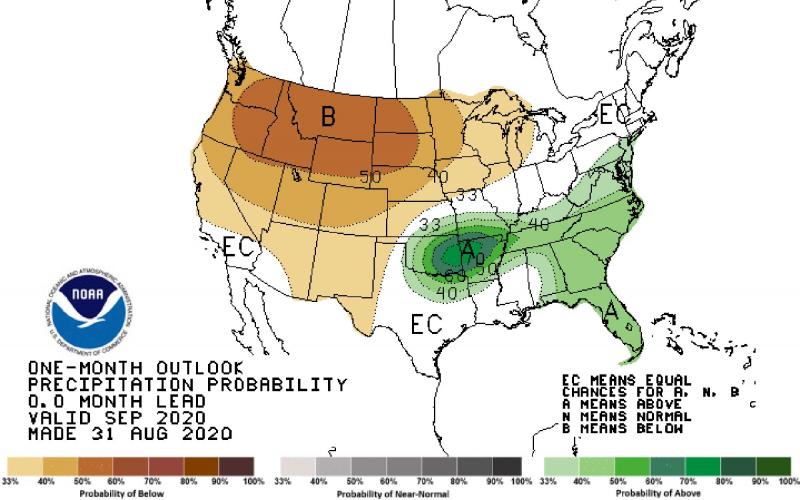
Summer has its last hurrah the first week of September before we see potential for our state’s first freeze of the fall season, according to NOAA’s Climate Prediction Center.
Capitalizing on Cow Costs: Part 2
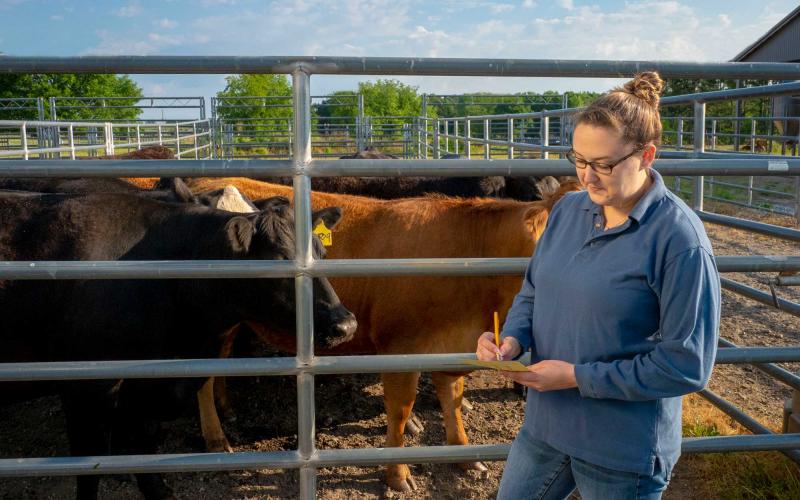
In a previous article, ‘Capitalizing on Cow Costs’ reducing feed costs to improve cow efficiency was discussed. To continue the conversation, another area of cost reduction is in cull cows, bulls and calf death loss.
Notes From the ADRDL: Yersinia Infections in Beef Cattle
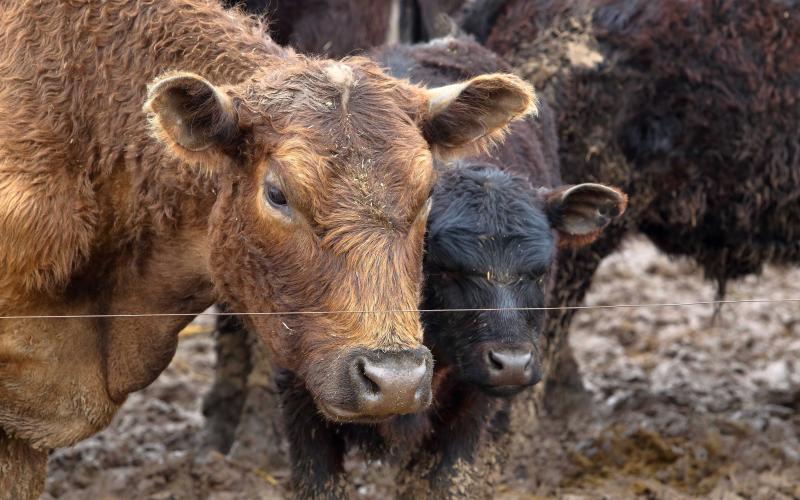
Of all the germs associated with cattle illnesses, a pathogen that’s not one of the usual suspects has been identified in several cases of cattle death losses in Eastern South Dakota.
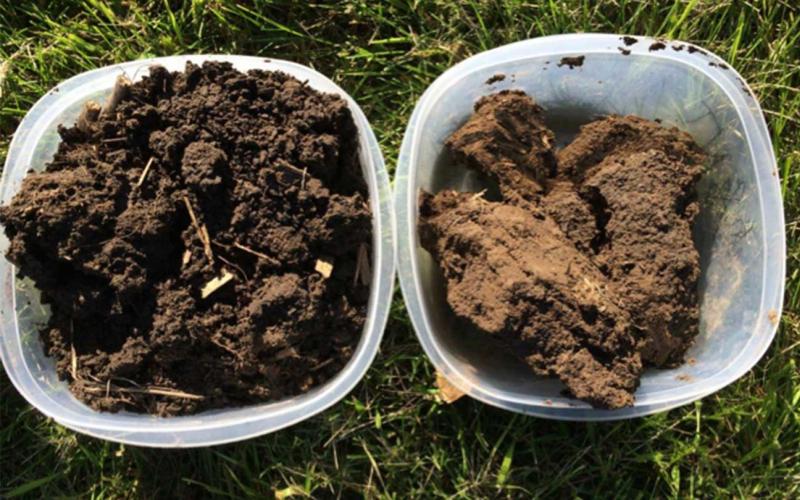
Organic Agronomy Starting to Impact
For decades scientists have known that a handful of soil contained more micro-biological organisms than the number of humans on earth. Science is just beginning to discover these organisms and learn about their functions and contribution to their soil ecosystem.