Search
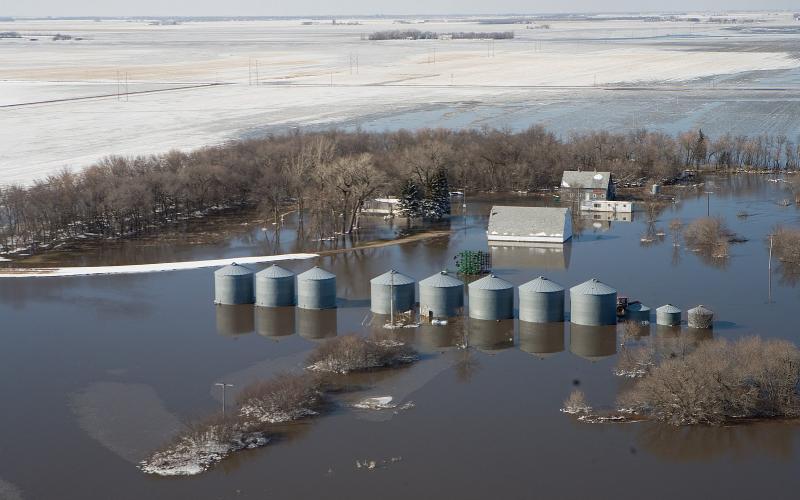
Inundaciones: sugerencias útiles
La primavera en el Medio Oeste siempre trae el riesgo de inundaciones, sea por la nieve que se derrite o por lluvia en exceso.
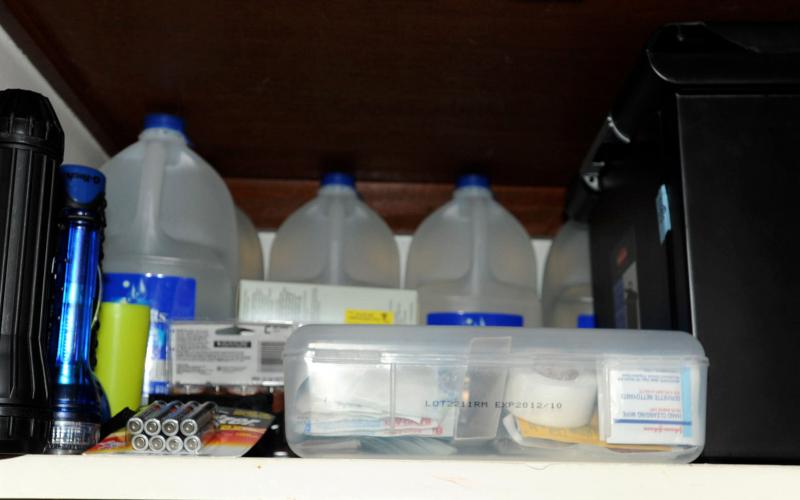
Food Safety: During & After Flooding
In the event of flooding, having a plan in place for food safety is beneficial. Knowing how to determine if food is safe and how to keep food safe will help reduce the potential for food waste and reduce the risk of foodborne illness. Here are some tips to keeping your food safe.

Helping Kids Cope and Understand Disasters/Flooding
South Dakota and many of our neighboring states are experiencing flooding and natural disasters. How children experience traumatic events and how they express their lingering distress depends, in large part, on the children's age and level of development.
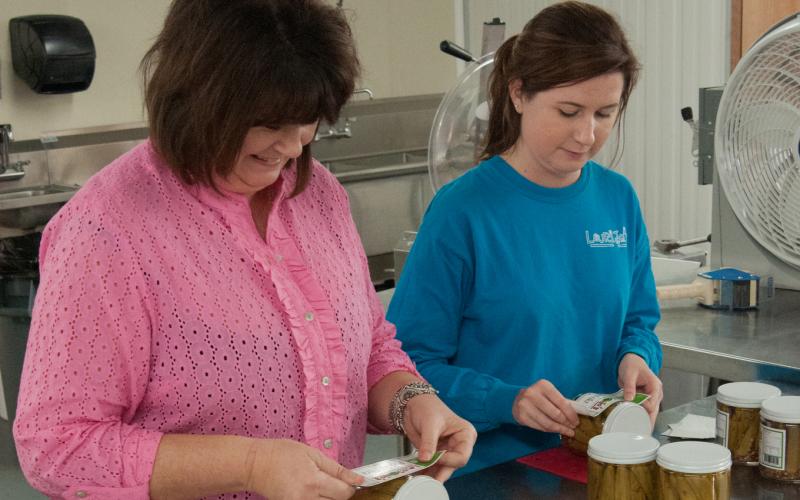
Labeling of Prepared and Processed Foods in South Dakota
Labeling requirements vary in accordance with the type of food that is being sold and in several instances how or where it was prepared or processed.
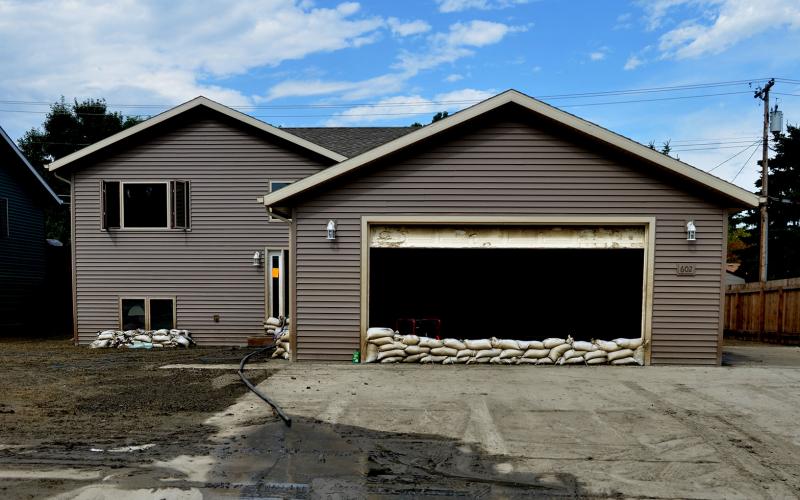
Cleanup in Your Home: After the Flood
When faced with disaster, one may not know where to begin or what to do when cleaning out our homes and businesses following a flood. To get started with this task, SDSU Extension has put together a list of resources to help start cleaning flood damages, personal belongings, and mold and mildew issues.
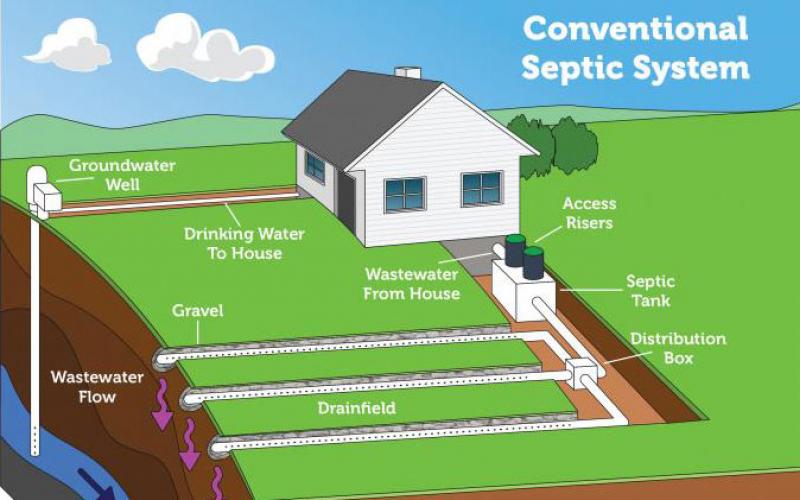
Septic Systems and Flooding
Septic systems may not always be a homeowner’s first concern during a flood. However, as South Dakotans continue to navigate an exceptionally wet spring, some consideration should be given to your septic system to prevent damage to your home and protect your family’s health.
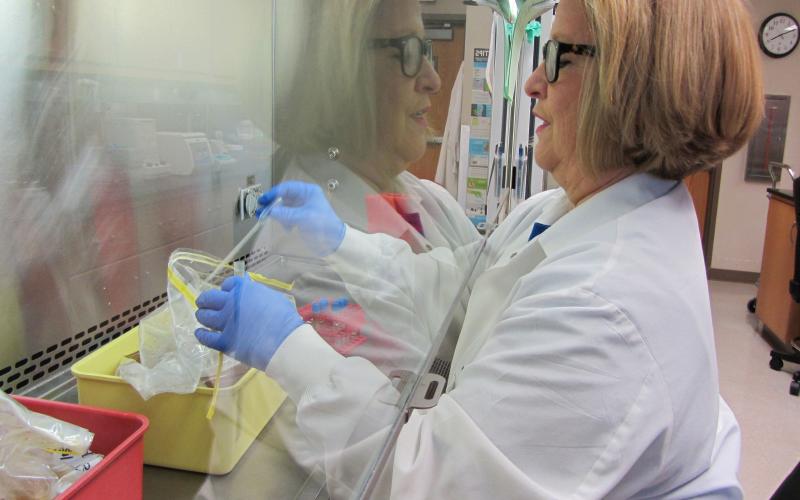
Looking for Foodborne Germs and Their Resistance to Antibiotics
How often do the meat products we buy in the store contain germs that might cause illness in people? Can we learn anything about antibiotic resistance with that information? Those are just two of the questions that SDSU is examining as part of their work with the National Antimicrobial Resistance Monitoring System (NARMS).
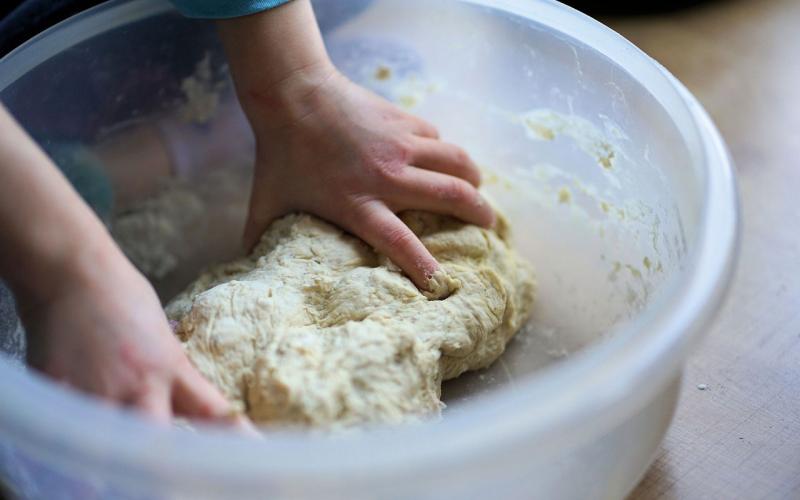
Hydrated Doughs and Batters: How to Safely Handle Food Safety Risks
Making dough and batter is one of the intermediary steps on your way to enjoying great foods, such as scones, cookies, cakes, donuts, pies and more. This article will help you understand the food safety risks associated with food types that have a hydrated batter.
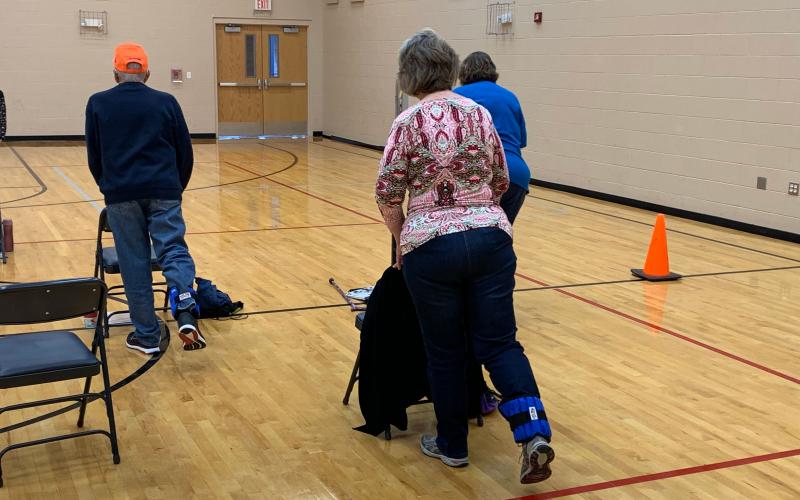
Strength Training for Older Adults
Strength training can be intimidating for older adults, but it plays a crucial role in keeping muscles and bones strong as we age. Learn some expert tips for starting a strength training routine today!

Bike Safety
View information about the benefits of biking and how to ride safely.