Search
Water Quality Standards in South Dakota
Fact sheet to raise awareness among citizens of South Dakota about the Water Quality Standards in the state.
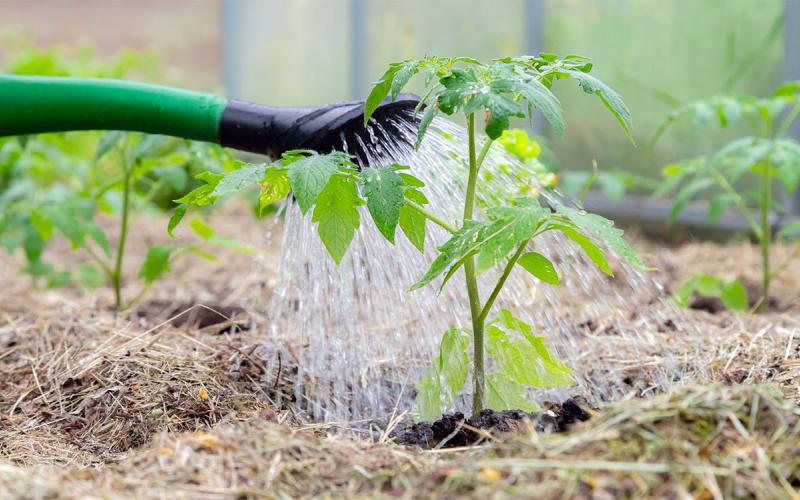
Microbial Water Testing for South Dakota Producers
Microbial water testing is important for produce growers to know the quality of their water to help ensure the safety of the fruits, vegetables, and herbs they produce.
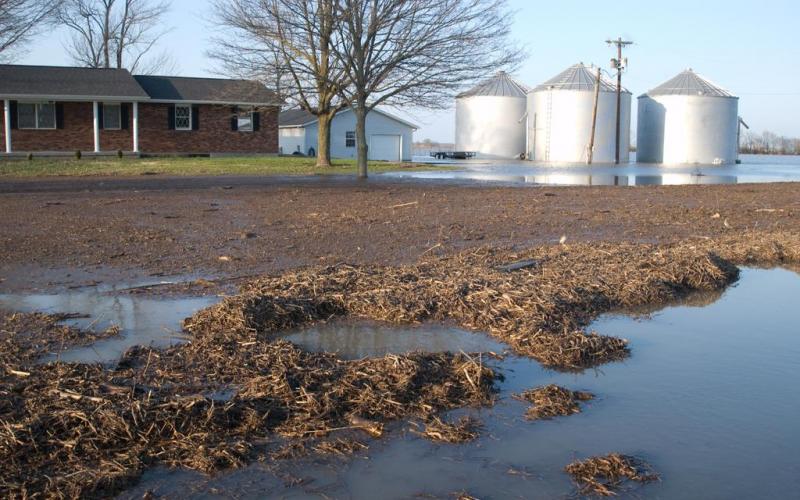
Checking and Treating Domestic Water Supplies After a Flood
Depending on its location, domestic well water supplies can oftentimes be negatively impacted during a flood.
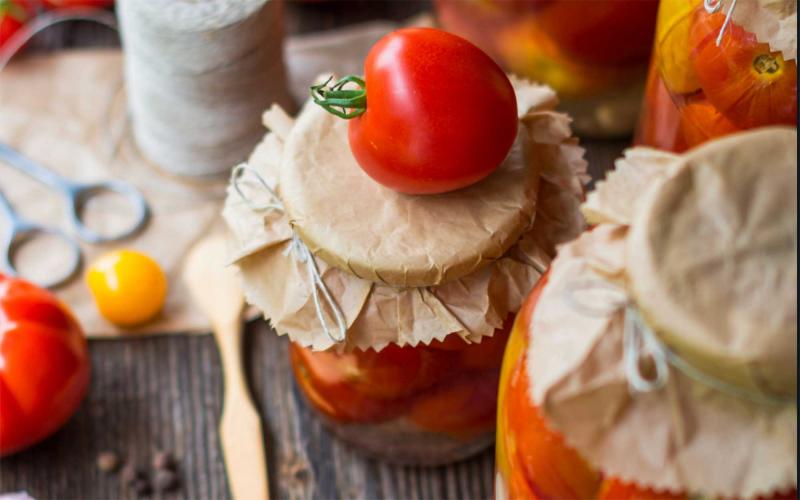
Canned Tomatoes in Water
Try this research-tested recipe for canned tomatoes packed in water courtesy of the National Center for Home Food Preservation.
Youth for the Quality Care of Animals (YQCA) in South Dakota 4-H resources
About YQCA – the national program
Youth for the Quality Care of Animals (YQCA) is a national multi-species quality assurance program for youth ages 8 to 21 with a focus on three core pillars: food safety, animal well-being, and character development. The YQCA program is an annual certification created for youth producing and/or showing beef cattle, dairy cattle, sheep, meat goats, dairy goats, swine, poultry, and rabbits. The program has been designed by extension specialists and national livestock program managers to ensure it is accurate, current and relevant to the needs of the animal industry and shows, and is appropriate for youth learning levels.
COVID-19 and Home Water Use
There have been questions regarding spread of the virus that causes COVID-19 through drinking water.

Is Your Water Safe to Drink?
Consuming water in some way, shape, or form is essential for survival. Staying adequately hydrated gives your body the balance it needs to continue throughout the day. During a flood or other natural disasters, the circumstances can become more difficult to find safe water to drink.
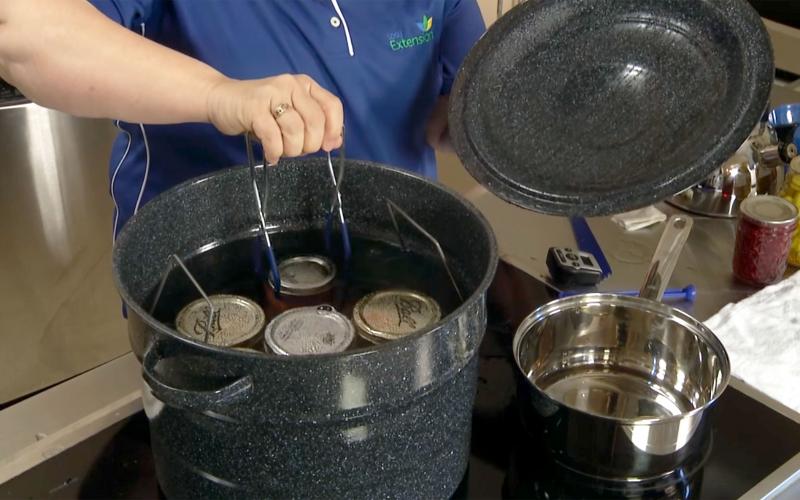
A Guide To Water Bath Canning
Water bath canners have fitted lids and removable wire racks. While they come in many sizes, the canner must be deep enough to allow a minimum of 1-2 inches of briskly boiling water that covers the top of jars during processing.
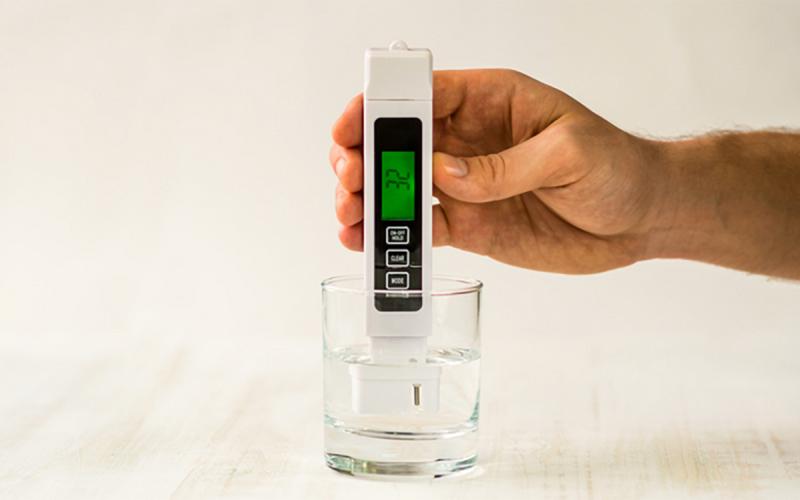
Interpretation of Water Analysis for Livestock Suitability
Fact sheet to help decipher both the results of a “quick test” and laboratory analysis for livestock suitability.
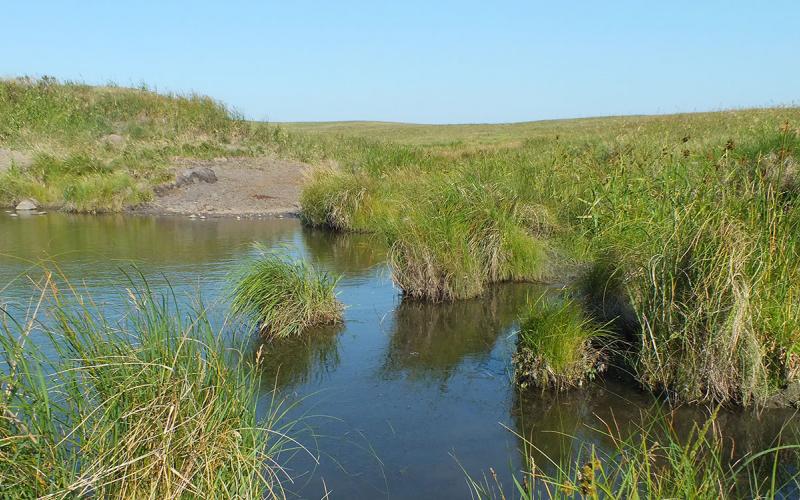
Private Property vs. Public Access: Managing Non-Meandering Waters in South Dakota's Prairie Pothole Region
Fact sheet on managing non-meandering waters in South Dakota's prairie pothole region.