Search
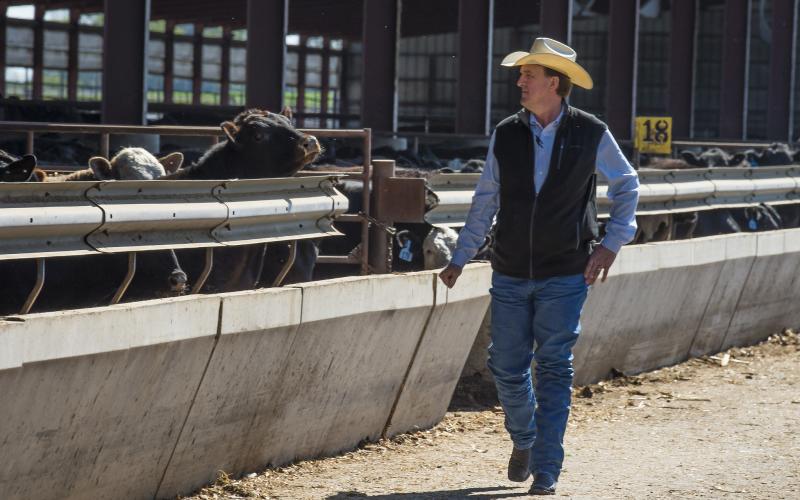
Feed Bunk Management
A successful slick bunk feeding program matches dry matter intake (DMI) to the cattle’s appetite as closely as possible and keeps DMI consistent from day-to-day.
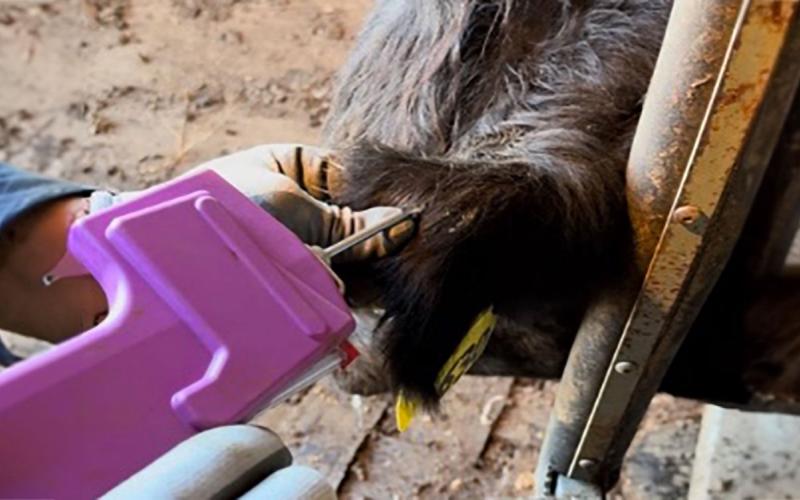
Implanting Nursing Calves
Implanting nursing calves is a cost-effective way to increase weaning weight and improve your financial bottom-line. Learn some expert tips for choosing the right implant for your operation.

SDSU Extension provides additional drop boxes for free nitrate testing
July 30, 2026
South Dakota State University Extension is providing additional drop-off locations for free nitrate testing to ensure a safe feed supply for livestock as dry conditions linger across much of the state.
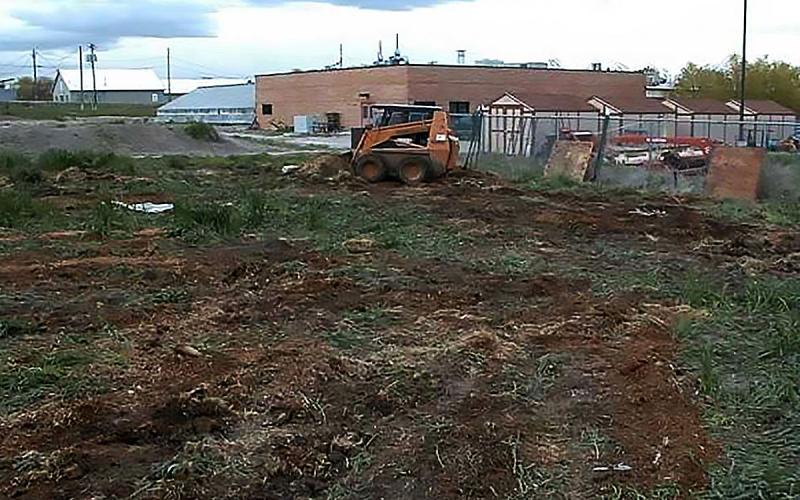
Guidelines for Livestock Carcass Disposal in South Dakota
Everyone who works with or owns animals tries their best to keep all animals alive. In turn, they also know there will always be normal mortality. Thus, we need to keep in mind the regulations surrounding disposal.

Growing Connections: An Organizational Map of the South Dakota Local Food System
Behind every farmer’s market, community supported agriculture share, or local food event is a network of advocates, educators, and organizations that make it all possible. The South Dakota Local Food System map illustrates the organizations that strengthen local food through a variety of roles and functions.

Agriculture
Both livestock and crops are essential to South Dakota's agricultural industry.

Shorten Your Calving Season for a More Profitable Cow Herd
Coupled with good management, a defined breeding and calving season increases the number of cows that conceive early, produces a more uniform calf crop, and allows producers to manage labor, nutrition, and herd health more efficiently.

Cattle HQ
SDSU Extension's beef team provides valuable insights to improve the health, productivity and profitability of your herd through the Cattle HQ podcast and monthly webinars.

Stretching Forage Supplies with Agriculture Byproducts and Crop Residues
For most producers across the Plains, forage supplies are looking limited because of decreased forage production from persistent drought conditions, making now a suitable time to explore alternative feed options.
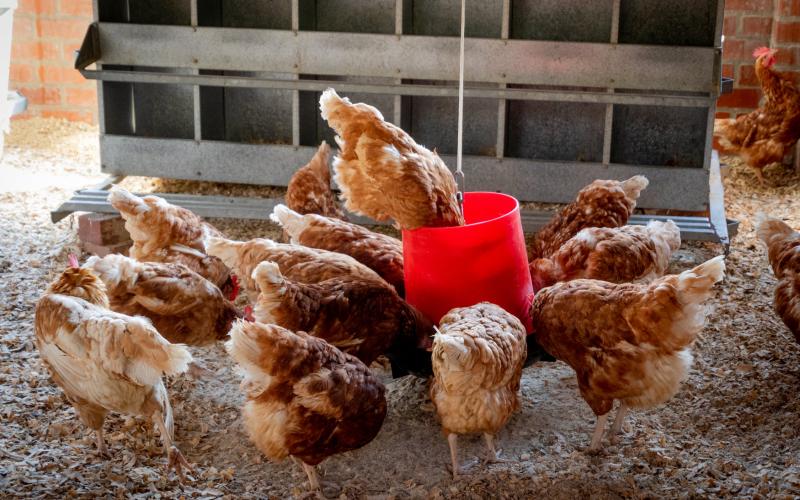
Tips for Feeding Poultry Wisely
During the March 1st Animal Care Wednesday Webinar, we learned the basics of feeding poultry. Brett Kreifels, Extension Assistant-4-H with University of Nebraska-Lincoln, explained the nutritional requirements and basic feeding tips to help ensure the health and well-being of chickens.