Search
Crop Rotation Potential: Improving Soil Health & Farm Profitability
Two-year corn-soybean rotation coupled with heavy chemical inputs has become the routine practice of agricultural production in the Midwestern United States. According to USDA/NASS data, corn and soybean prices received by producers in South Dakota both reached the peak levels of $7.39 and $16.00 per bushel, respectively, in August, 2012.
Corn Production Costs in the Northern Great Plains
Supply and demand regulates U.S. agricultural and non-agricultural markets all the time. Prices increase when scarcity of a certain item is anticipated. Similarly, prices drop if the market is saturated because of oversupply or there is a reduced demand for the product.
Alternative Calving Considerations
Structuring a calving program that best suites farm and ranch operations can be challenging. Of primary concern are: weather, labor, market timing, and animal health considerations, with weather possibly being the most volatile factor, as it ranges from challenging to catastrophic in some years.
Information on How to Deal With COVID-19 for Dairy Workers
We would like to share some advice on measures to follow due to the problems that are affecting the world population today, including all of us.

SDSU Extension Professionals Honored for Accomplishments
November 10, 2020
SDSU Extension professionals were recognized for a variety of achievements at the annual Fall Conference held virtually October 28-29.
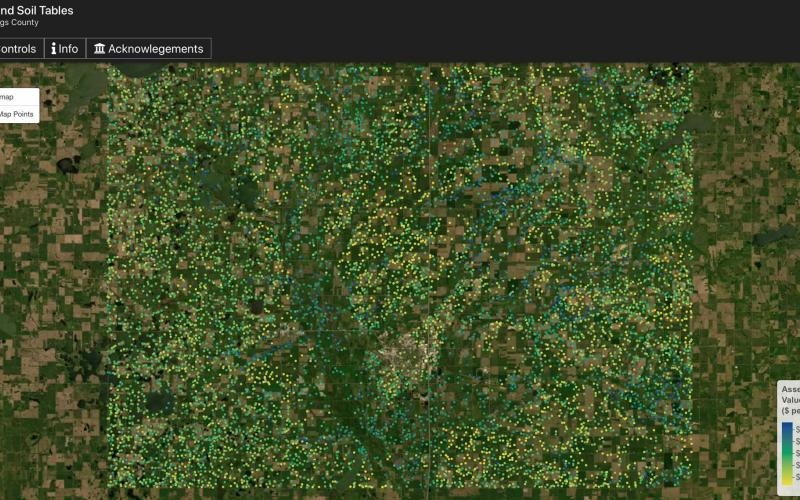
South Dakota Agricultural Land Soil Productivity Tool
The Ag Land Soil Tables Tool allows users to view soil data and download data by county to further understand the soil rating system. It can help appraisers make baseline agricultural land assessments and determine if adjustments from baseline are needed.
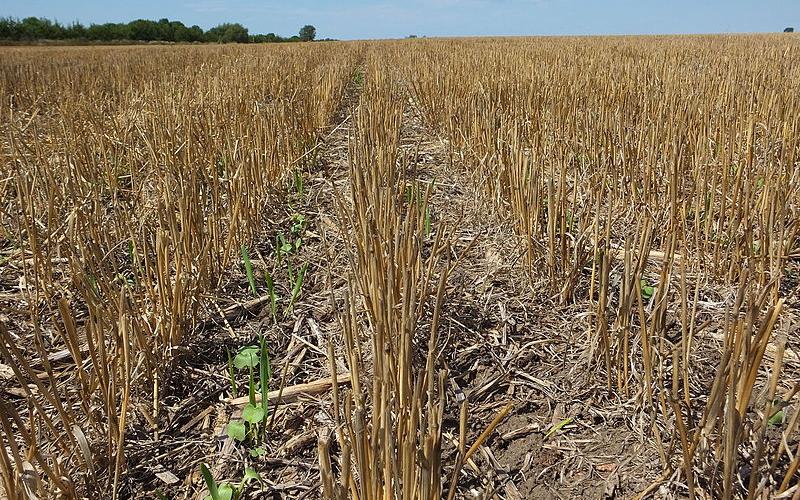
Cover Crop Adoption: Farmers’ perceived benefits & barriers
Cover crops are generally defined as crops planted between cash crops to cover and protect the soil. Some demonstrated benefits of cover crops include: reduced soil erosion, increased soil organic matter, increased biological variety, increased nitrogen supply, and weed control. Depending on the farmers’ objectives, different species of cover crops can be planted. For example, if a farmer’s main objective is to increase nitrogen supply, then legume cover crops best suited to the farm area should be selected.
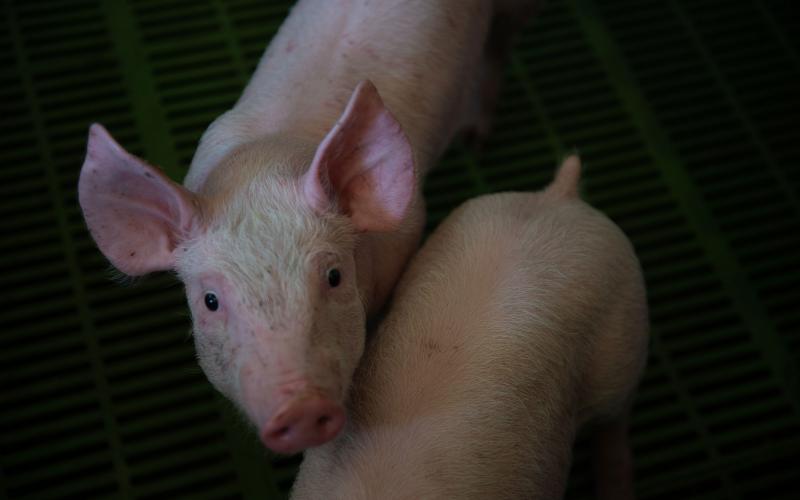
Creating a Secure Pork Supply Plan
African Swine Fever and preparing for foreign animal disease outbreaks is at the forefront of people’s minds. Your state animal health officials offer guidance for participating in the Secure Pork Supply (SPS) Plan. Let’s take a closer look at the critical steps in developing a personalized SPS Plan for Continuity of Business.
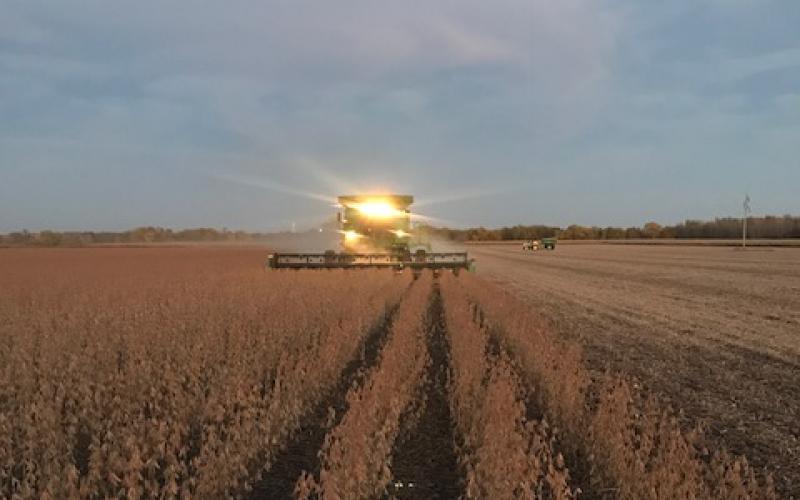
Field Studies: Blowing the Whistle on Marketing Claims
With technology surrounding today’s culture, data and marketing information has become a key part of life. The best way to determine if a product or practice is effective is to ask for the data and research backing a company’s claims. However, before a producer makes a decision, understanding the data and statistics is key.
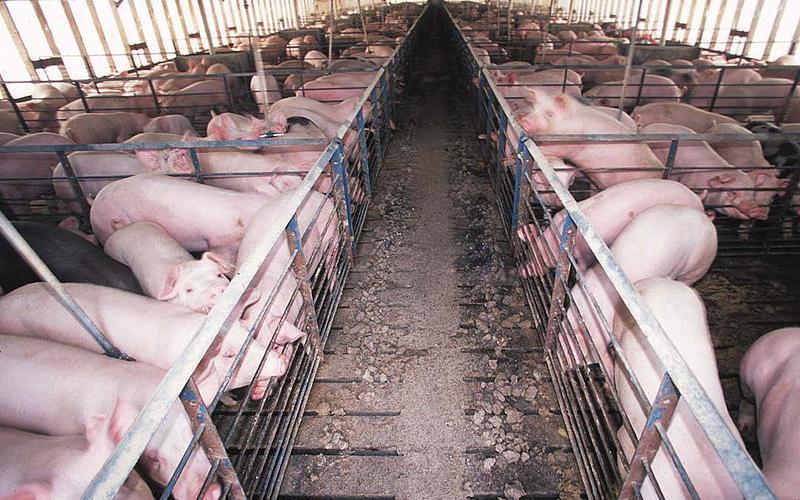
Pig Barn Turnover Rates: Challenges & Costs
Employee turnover is inevitable, but how managers respond to it and learn from it determines the resiliency of a pig barn’s future and the level of productivity that is achieved.