Search
Valuing High-Moisture Corn and Earlage
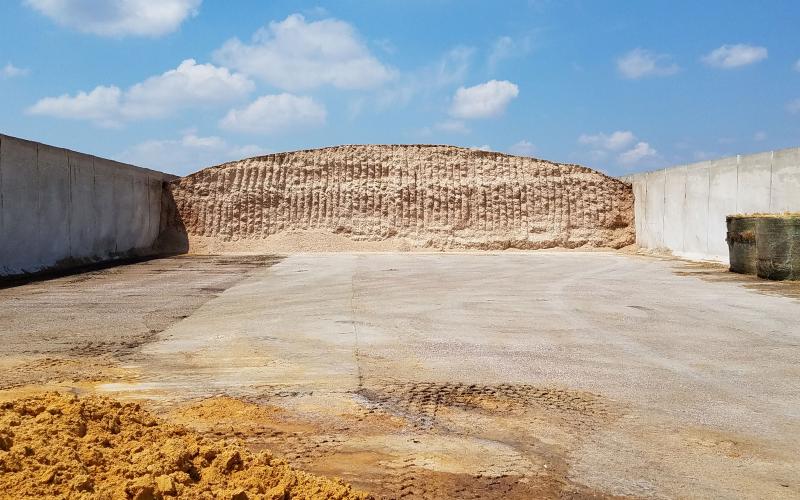
A key advantage to using commodities that meet standard specifications and are frequently traded is that it is very easy to establish an economic value that is accepted by most users. The marketplace sets the value of corn, and other feedstuffs on a daily basis, provided those products meet some set of standard specifications.
Corn Grain Moisture Discount: Why and How Much?
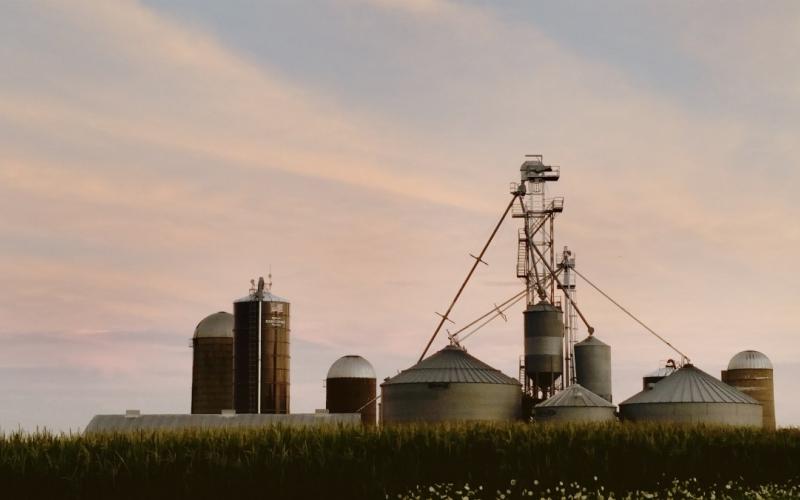
Corn marketed at the standard moisture content of 15.5% and 56 pounds per bushel typically contains 47.3 pounds of dry matter and 8.7 pounds of water. At harvest, a producer has to decide whether to sell (or even store) his corn at ‘as is’ moisture content or mechanically dry it before taking it to the buyer.
Considerations for Cull Cows
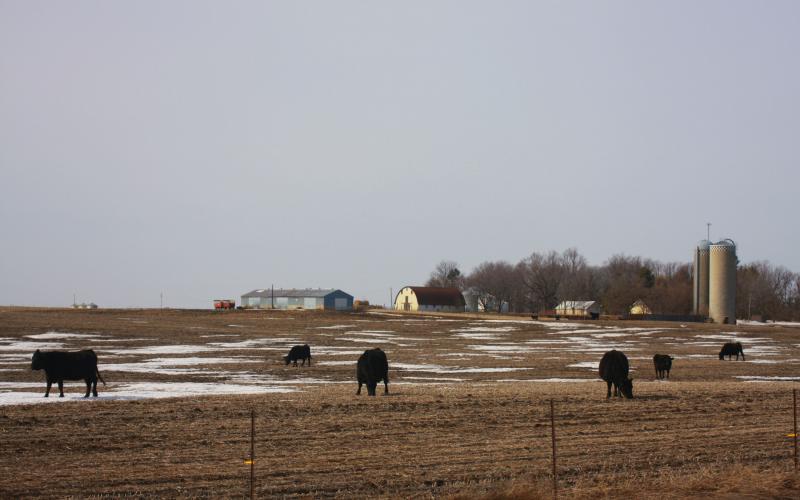
The last year was difficult to say the least, from a wet, muddy spring and late planting to an early, wet fall and difficult harvest. Unfortunately, for cow calf producers, the repercussions were seen during pregnancy detection this year, as the number of slaughter cows within the state were abundant due to open cows.
Utilizing Cover Crops for Grazing: An Assessment on Economic Benefits
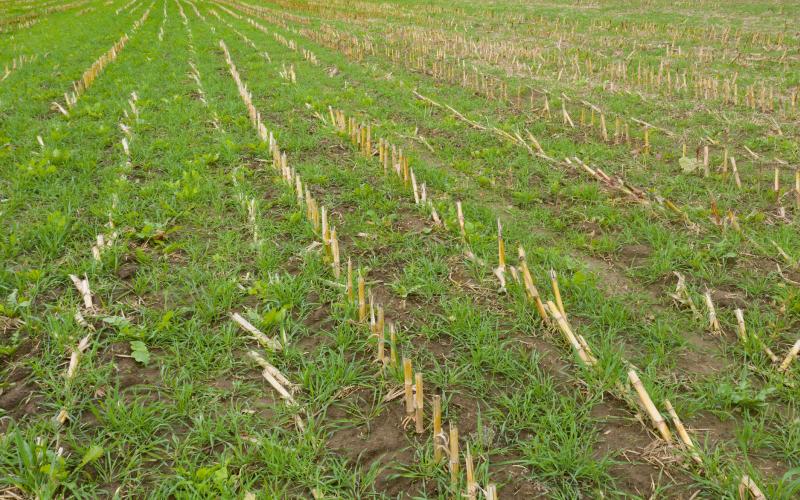
Grazing cover crops by cattle provides an option to offset cover crop seed costs and increase farm revenue. To facilitate farmers’ decision making, this article will evaluate the economic profitability from grazing cattle on cover crops using a partial budgeting approach.
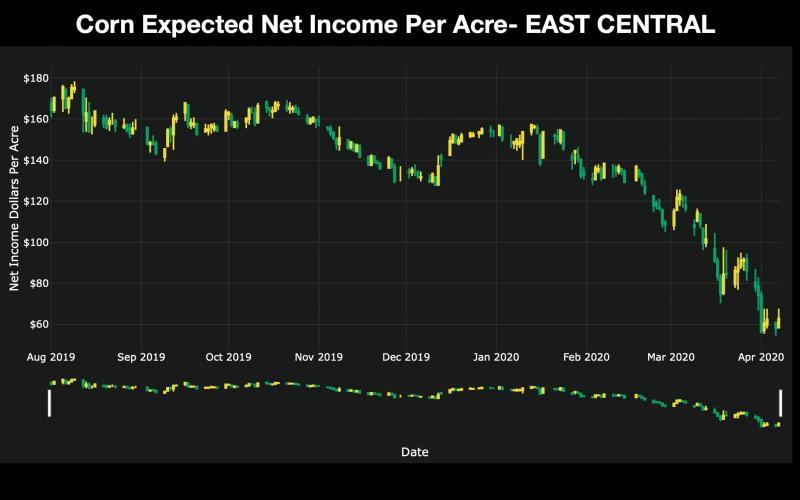
South Dakota Grain Net Income Tool
South Dakota producers can use the SDSU Extension Net Income Tool to monitor their expected net income per acre given their location, commodity of interest, and changes to market prices. The tool gathers the most-recent end-of-day market prices to determine the latest expected net income for wheat, corn, and soybeans in the different regions of the state.

2020 Planting Decisions
Planting decisions for this spring are complicated given the recent spread of COVID-19. A very busy planting season is approaching quickly. Input suppliers and farmers will be met with a requirement to complete tasks timely to evade economic losses from delays.
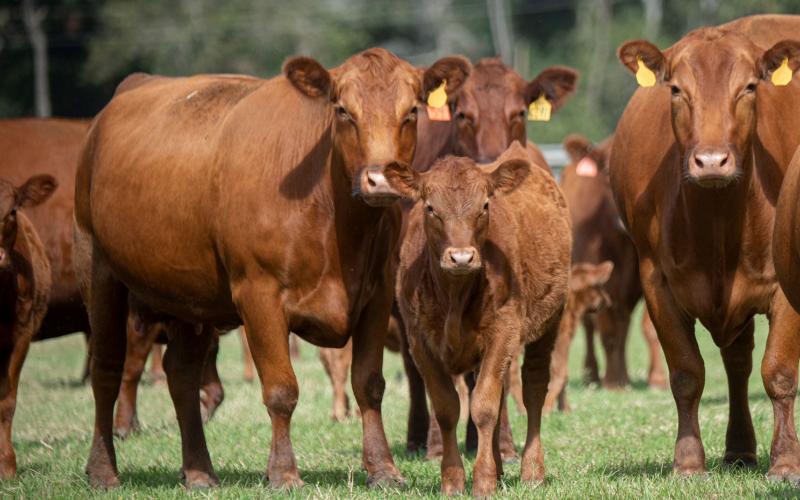
Minimizing Synchronization Costs
With the rising costs of certain feed supplements, uncertainty in the markets, and fear of the unknown, using an estrus synchronization protocol may be the last thing on producers’ minds. However, there is still opportunity to incorporate estrus synchronization without breaking the bank.

SDSU Basis Report: Monitoring Agricultural Market Dynamics
The SDSU Basis Report application provides an interactive platform for monitoring basis values, representing the difference between the cash price paid for grain locally and the nearby futures price.
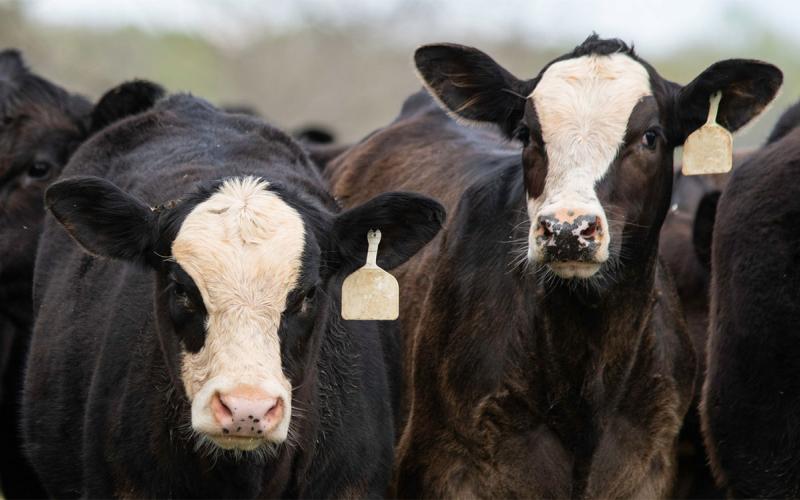
Sell the Feeder Calf, or Create a Yearling?
Fall brings many weaning and selling time decisions for cattle operations. Learn some expert tips for evaluating your current situation and making informed management decisions given the price of calves, feed, and the futures market.
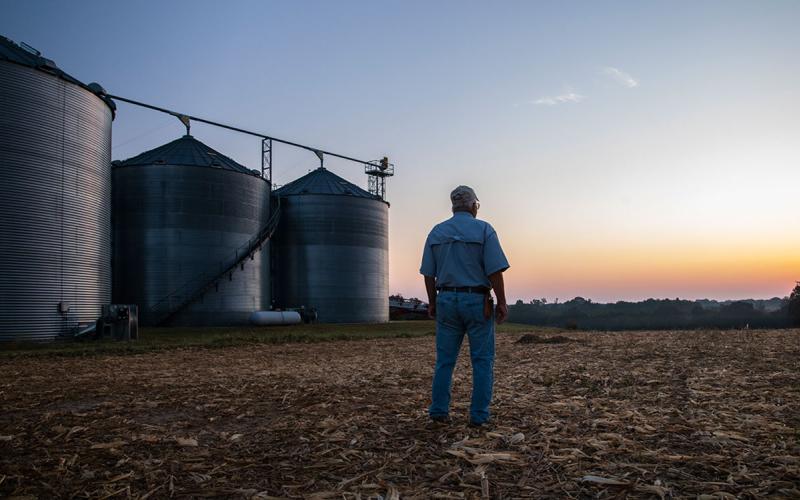
Carbon Markets and Opportunities for Farmers
There is growing interest in paying farmers for regenerative agricultural practices as a means for sequestering carbon. Learn about some of the benefits and challenges that carbon capture opportunities offer for producers.