Search
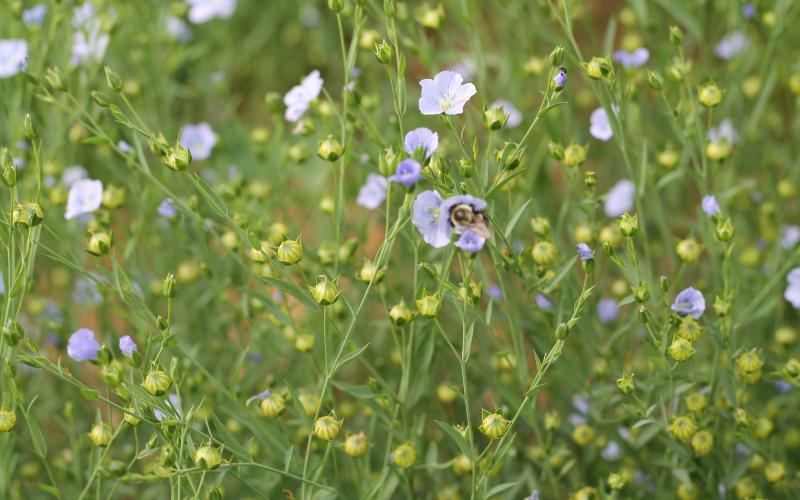
Herbicide Residual Effects on Cover Crops after Wheat
Fact sheet about herbicide residual effect on cover crops after wheat.
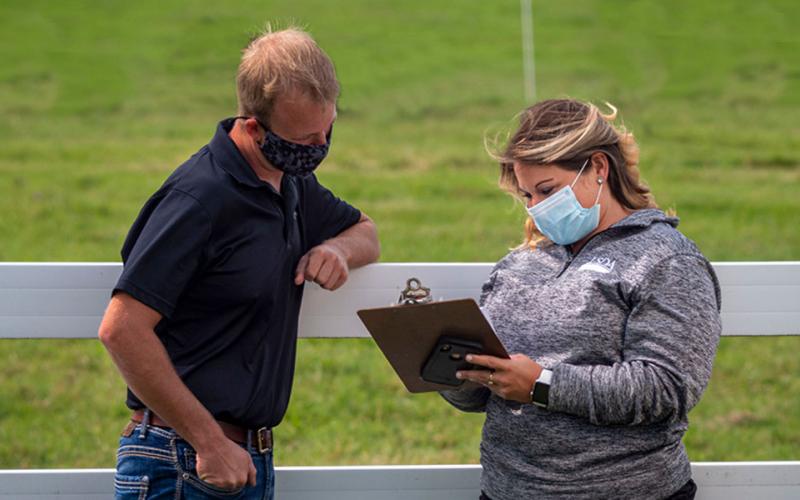
USDA: CFAP 1 Program Payment Benefits to Producers
In examining the USDA Coronavirus Food Assistance Program 1.0 website, we are able to directly see the impact of the program and the payments made to producers across the country.

What is Placemaking?
Placemaking inspires people to collectively reimagine and reinvent public spaces as the heart of every community. By this definition, placemaking is possible for communities of all shapes and sizes in South Dakota.
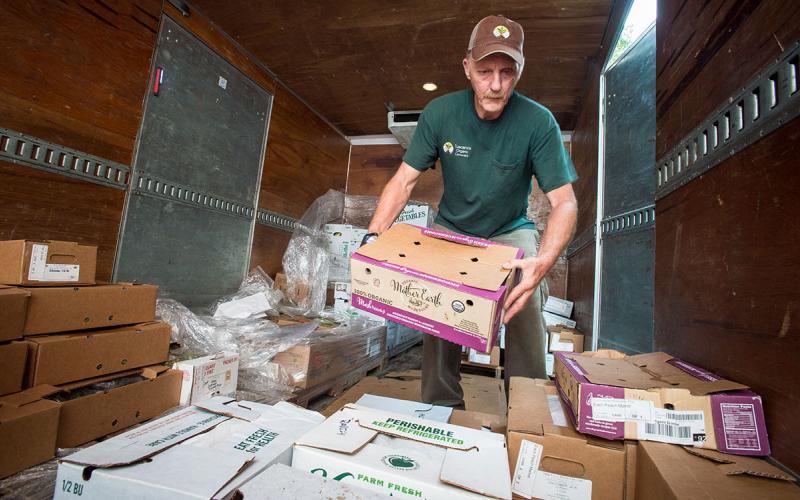
Regulatory Guidance for Selling Foods in South Dakota
Now more than ever, we are seeing food processors and entrepreneurs in South Dakota bringing their food products, not only to farmers markets, but also to retail stores. This article provides regulatory guidance and outlines the necessary steps required to allow for the sale of foods to retail stores.

SDSU Extension Professionals Honored for Accomplishments
November 10, 2020
SDSU Extension professionals were recognized for a variety of achievements at the annual Fall Conference held virtually October 28-29.

Using Data for Better Seed Selection
As harvest wraps up across the region, winter preparation and planning for next year begins. Yield trial results are a key component when making sound seed selection decisions.
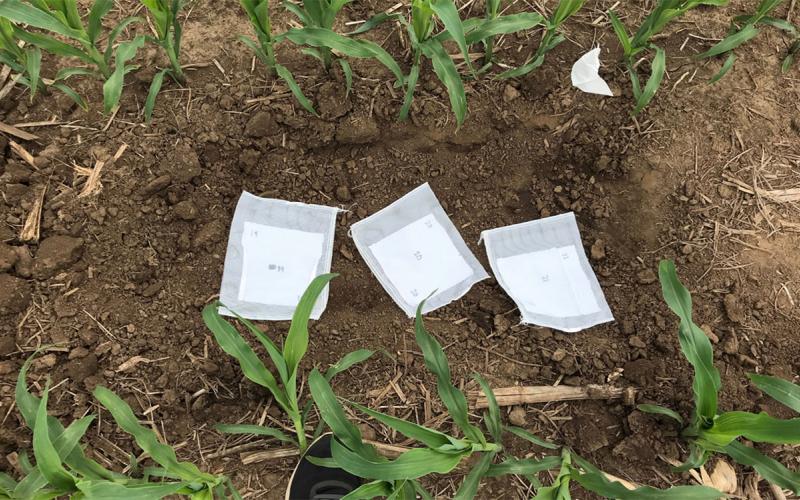
Cotton Strip Soil Test: Rapid Assessment of Soil Microbial Activity in the Field
Soil has always been considered as a living system due to its biological components: fungi, bacteria and plant roots. Under several ongoing research projects, we started researching how we can use ‘cotton strip assay’ to compare different cover crop mixes to optimize field soil activity and build up better soil health.
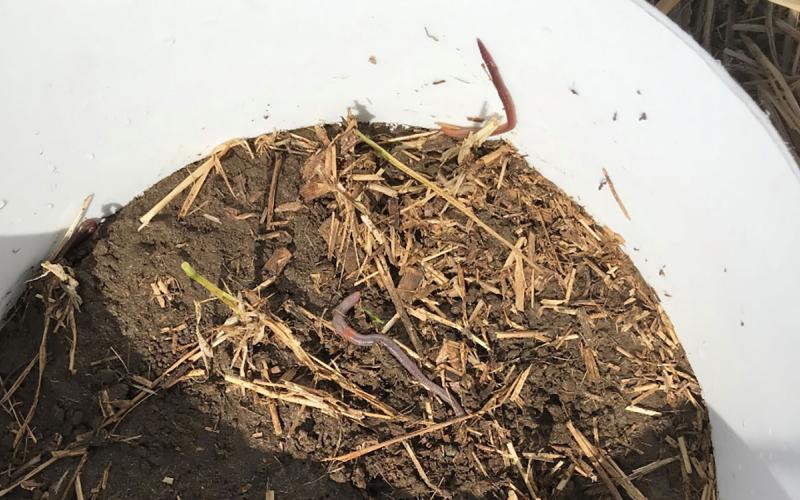
How’s Life in the Soil? Ask (Count) the Earthworms.
Earthworms are ‘very special’ creatures on earth, and their contribution in soil nutrient cycling and fertility management has been acknowledged from the beginning of agriculture. So, the question needs to be asked, how can we help improve earthworm populations?
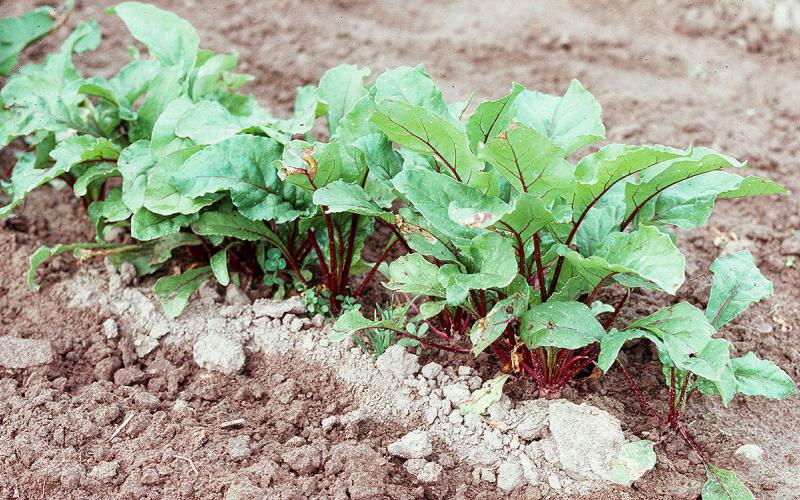
Beets: How to Grow It
Beets are commonly grown for their bulbous roots, but their tops can also be harvested for greens, and they are an excellent source of Vitamin A as well as calcium. They grow best in the cooler temperatures of spring or fall.
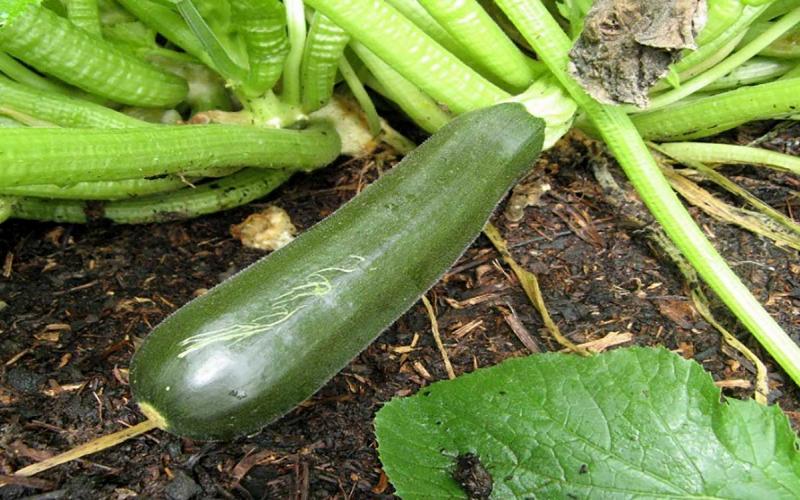
Summer Squash: How to Grow It
There are many types of summer squash, including the familiar zucchini (which can be green, green-striped, or yellow), crookneck, straightneck, patty pan and more.