Search

SDSU Extension to host farm, ranch estate planning series
October 18, 2024
The conference provides farmers and ranchers with three days of information on creating their plan, no matter how big or small the operation. All members involved in the operation are encouraged to attend together.
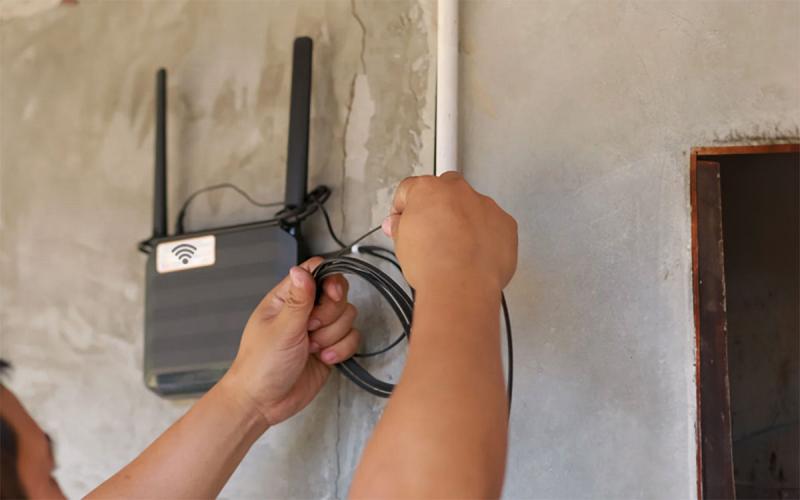
Choosing the Right Wireless Network Technologies for Agricultural Internet-Of-Things Applications
The Agricultural Internet-of-Things remotely connects various farm devices and equipment throughout an operation. This article takes a look at several prevalent wireless network technologies, focusing on their potential application scenarios in precision agriculture.

Thriving in the Cold: How Northern Cultures Build Community to Combat Winter Isolation
Whether it's sharing a meal, enjoying the outdoors, or simply staying in touch, winter is an opportunity to foster connections and build resilience in South Dakota communities.

Using Boxes to Spark Imagination
Have you heard kids say, “Don’t throw that box away!” as you are receiving boxes and packages for the holidays? Keep your boxes and let kids use their imagination to create their own designs and creations!

EnhanceFitness
EnhanceFitness is an evidence-based group exercise and falls prevention program that helps older adults at all levels of fitness become more active, energized, and empowered.

SDSU Extension to host creative writing workshops in 2025
December 09, 2024
South Dakota State University Extension is pleased to announce the 2025 dates for its Heirlooms online creative writing workshops to help participants craft their own life stories.

SDSU, NDSU Extension to host free virtual workshops on aging well
December 16, 2024
South Dakota State University Extension and North Dakota State University Extension are hosting a series of free workshops to help older adults learn how to age well, stay healthy and remain in their own homes for as long as possible.

SDSU Extension offers virtual suicide prevention training
January 03, 2025
QPR is a 60-minute, evidence-based training that teaches three simple steps anyone can learn. People trained in QPR learn how to recognize the warning signs of suicide, offer hope and get people the help they need.

STEM Learning: Tips to Let Kids Tinker and Build
Tinkering, or the playful, open-ended exploration of materials without a specific end goal, is an important part of STEM learning. It involves problem solving, creativity, hands-on learning, and more.
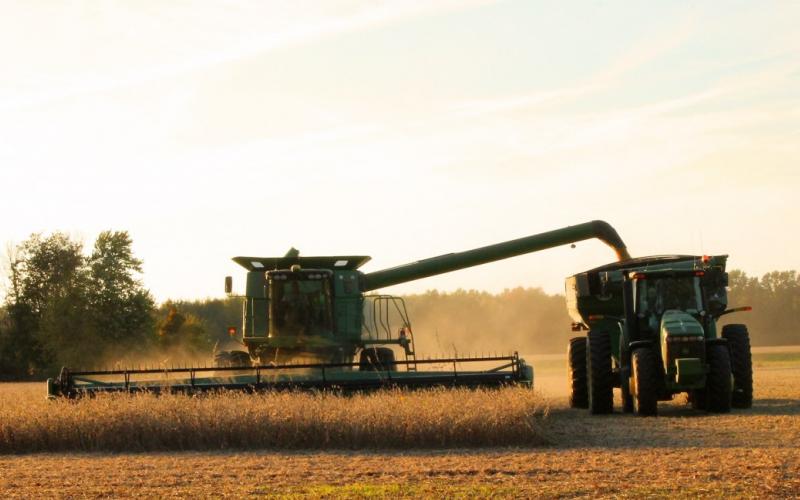
Evaluating the Economic Consequences of Possible Section 199A(g) Expiration of Agricultural Cooperatives in the Upper Midwest
A comprehensive evaluate of the potential economic impact of Section 199A(g) deduction sunsetting on agricultural cooperatives and rural communities.