Search
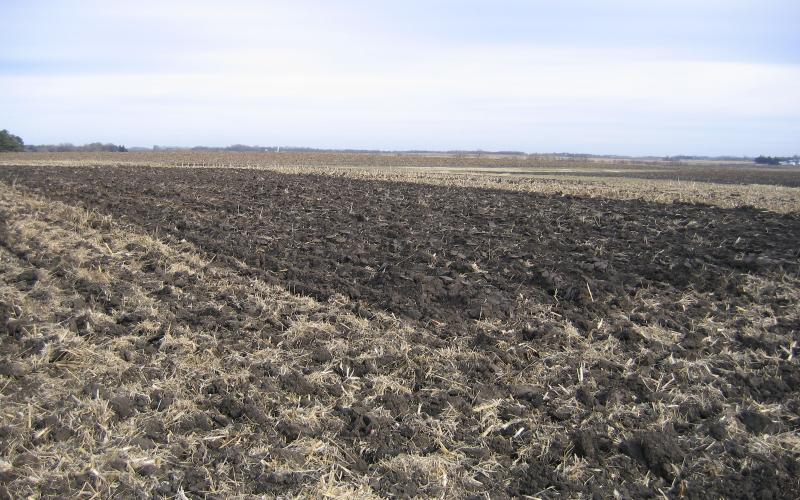
Field Studies: What do You Mean 5 Bushels Per Acre is Not Significant?
Utilizing sound research results to help make decisions on the farm is a wise business practice. It can be confusing, however, when you see two numbers that are clearly not the same labeled as “not significantly different.”
Replacement Heifer Calculator
Excel decision aid to assist producers decide whether to raise or purchase replacement heifers.
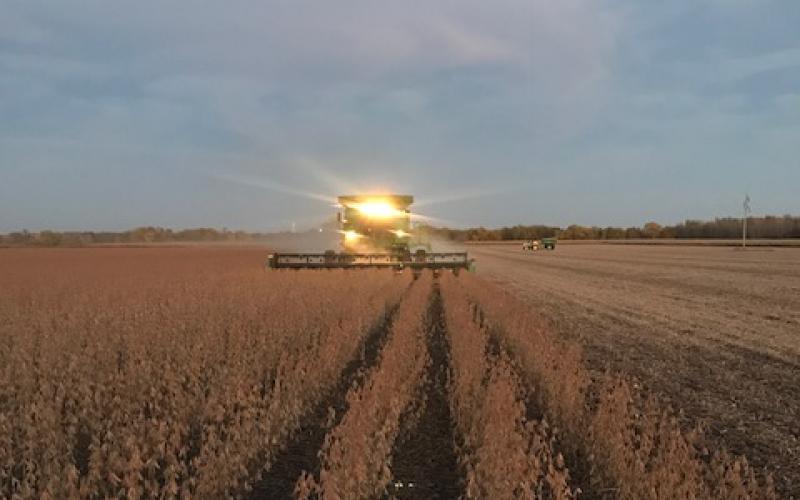
Field Studies: Blowing the Whistle on Marketing Claims
With technology surrounding today’s culture, data and marketing information has become a key part of life. The best way to determine if a product or practice is effective is to ask for the data and research backing a company’s claims. However, before a producer makes a decision, understanding the data and statistics is key.
![Graduation table display with photos, awards, and keepsakes. Courtesy: Matthew Beckler [CC BY-SA 2.0]](/sites/default/files/styles/teaser_800x500/public/2019-05/W-00220-00-graduation-gifts-presents.jpg?h=1336e95a&itok=Z37_yKAo)
Graduation Presents
With graduation season upon us, consider gifting your high school or college graduate with the necessary medical, financial and legal paperwork they're need for the next stage of their lives.
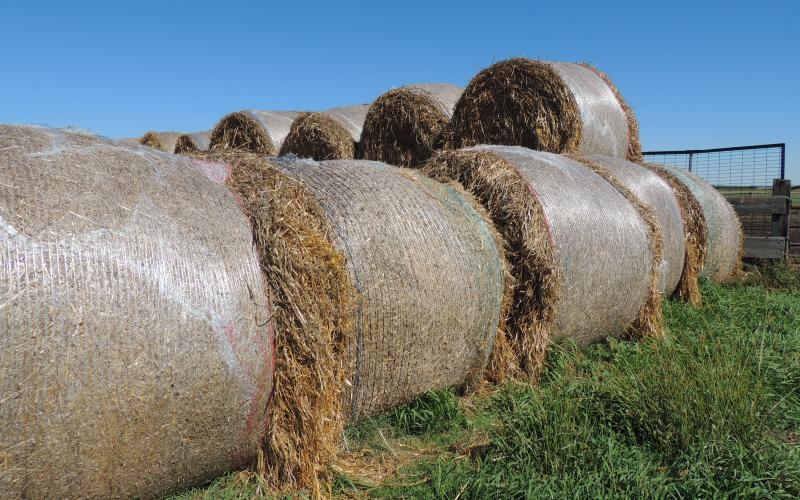
How Will You Make Hay This Year?
With plenty of spring moisture, hay season will be here before you know it. Have you considered the type of binding material you will use to put up hay this year?

Using Assets to Build Communities
A community asset is anything that a community already has that can be used to improve its quality of life. Learn some expert tips for identifying and leveraging your community's unique assets.
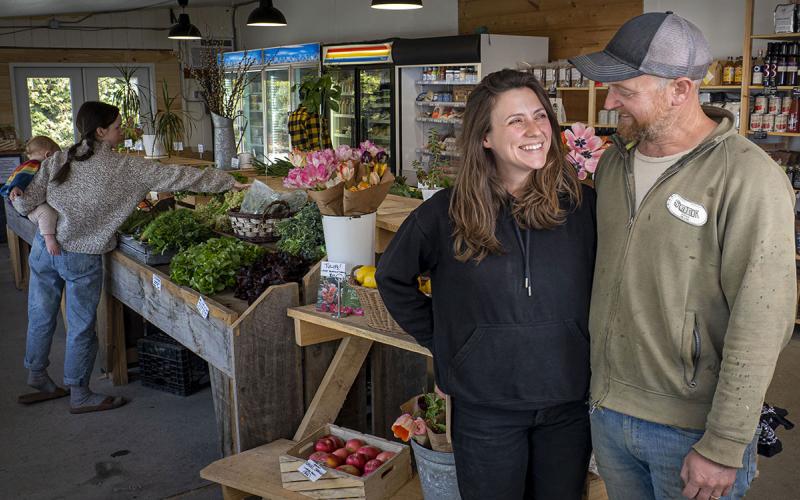
Resources to Stay Safe on Specialty Crop Farms
When was the last time you’ve thought about safety on your farm? View a collection of science-based safety resources for small and medium-scale commercial specialty crop farms from the field to the market.
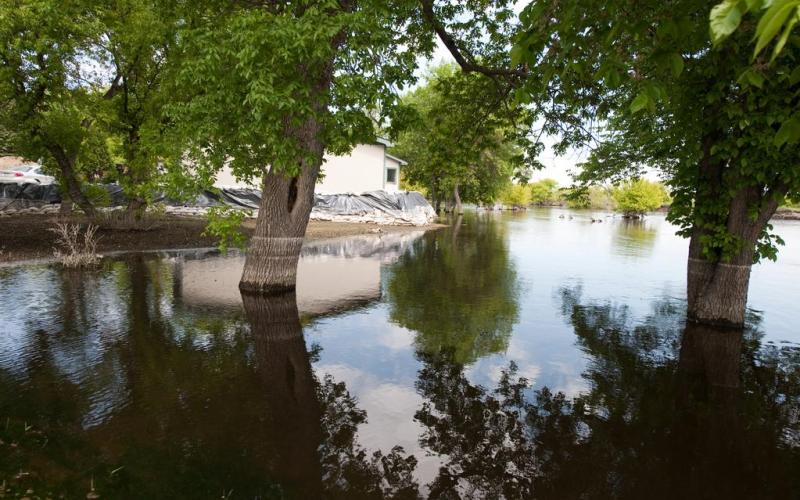
What to Do About Flood-Damaged Trees
Fact sheet on what to do about flood-damaged trees
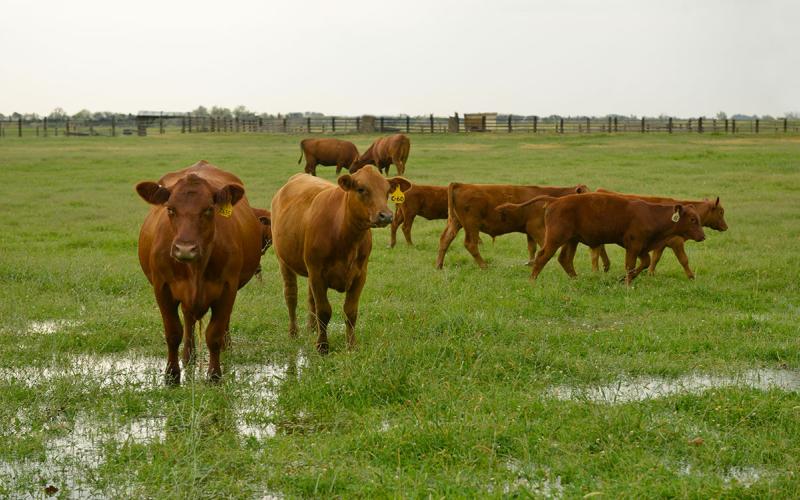
Considerations for Beef Producers Following a Flood Event
In the aftermath of a flood event, there are several different items to be considered for beef herds. View some tips and resources for protecting your family, your herd, and your bottom line following a flood.
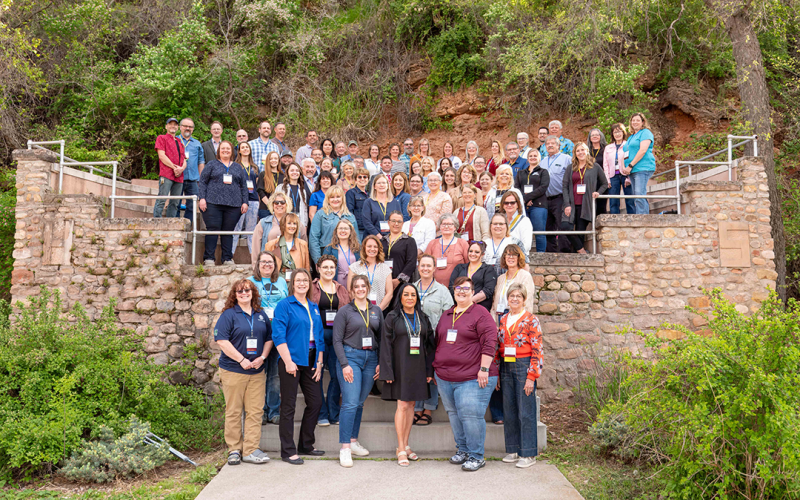
SDSU Extension accepting applications for 2025 Energize conference hosts
July 08, 2024
South Dakota State University Extension Community Vitality is accepting applications from communities that would like to host the 2025 Energize conference.