Search
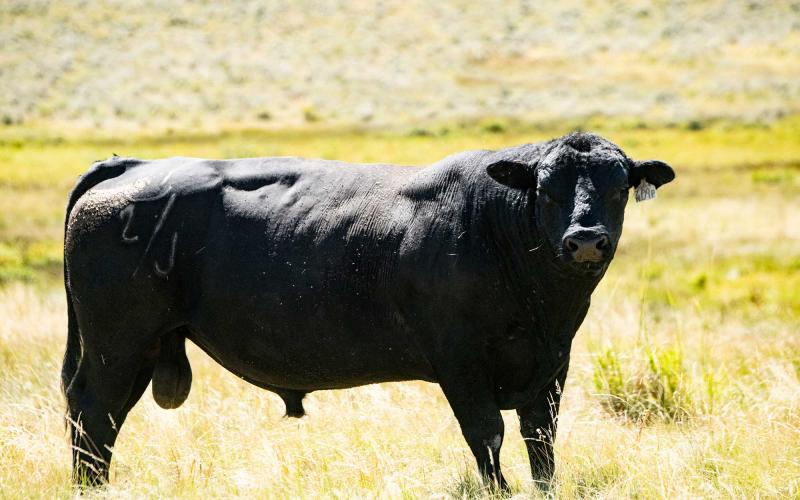
Bull Nutrition
This publication focuses on nutrient requirements for developing bulls, feeding programs to “let down” overconditioned bulls, and feeding during the period between breeding seasons.
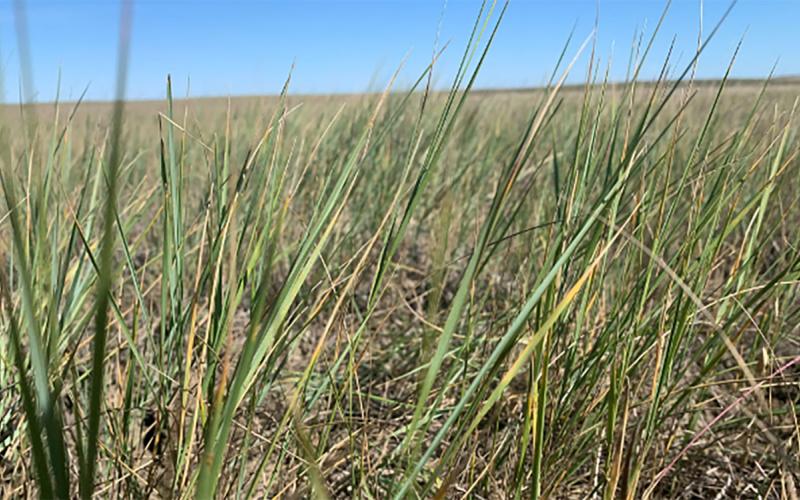
Options for Spring Turnout
Every year at green-up, grass managers must make decisions about when and where to begin grazing. Several options are available depending on pasture resources, stored feed resources and the ability to be flexible.
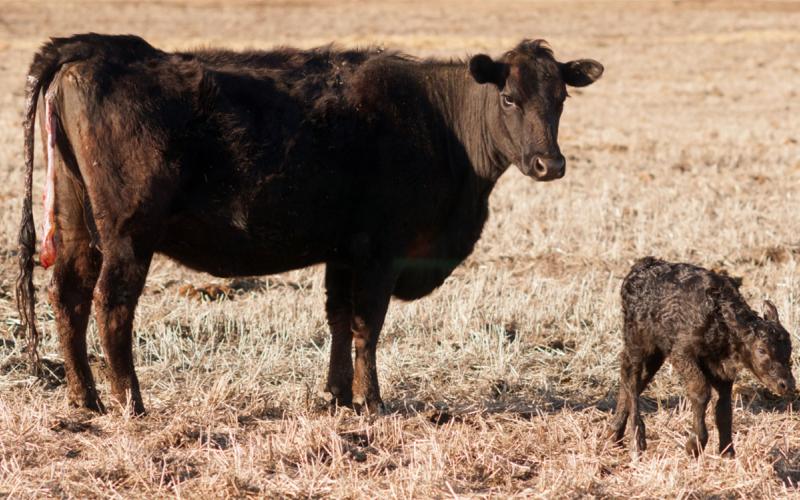
Pay Attention to Calving Distribution
Multiple factors go into defining a calving season, but through simple record keeping, management decisions can be made to increase herd performance and profitability.

Telemedicine Keeps Mixed-Animal Veterinarians Connected
March 31, 2021
Smart phones have helped South Dakota veterinarians assist clients through blizzards and busy calving seasons, but clinics may need to revisit service offerings, client expectations.
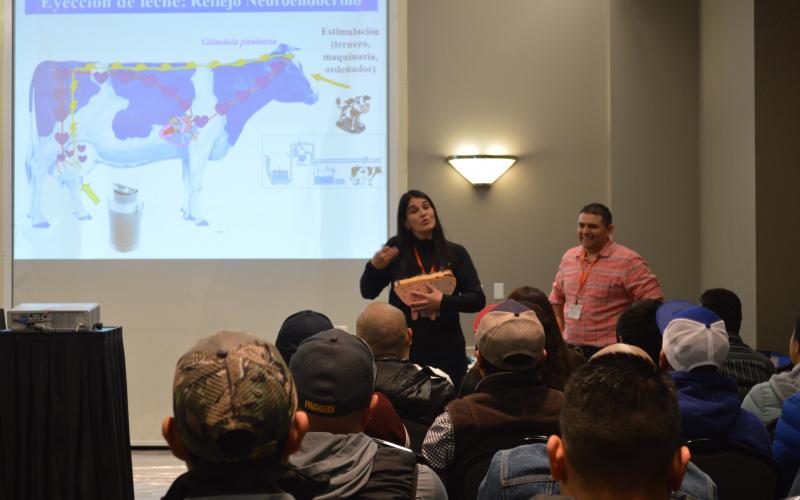
SDSU Extension to Cover Dry Cow Therapy in Spanish at CPDE
March 18, 2021
SDSU Extension will once again offer educational programming in Spanish at the 2021 Central Plains Dairy Expo in Sioux Falls.
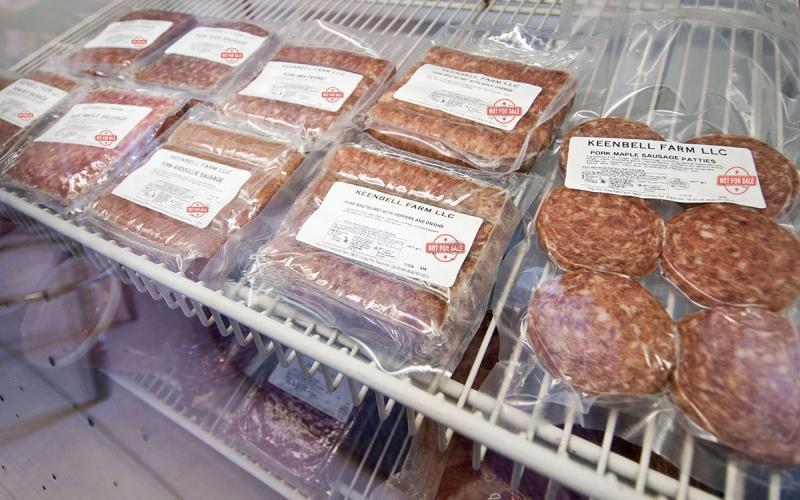
Meat (Not) For Sale
Before buying meat from local livestock producers, take the time to understand the rules and regulations of local meat processing.
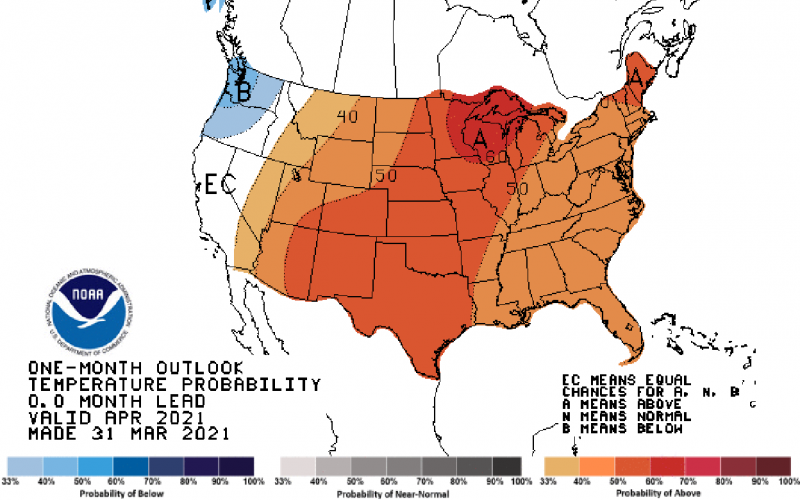
April 2021 Climate Update
As we look at March in the rear-view mirror, we look ahead to April and the potential for rain to return to South Dakota to reduce drought concerns across the state.
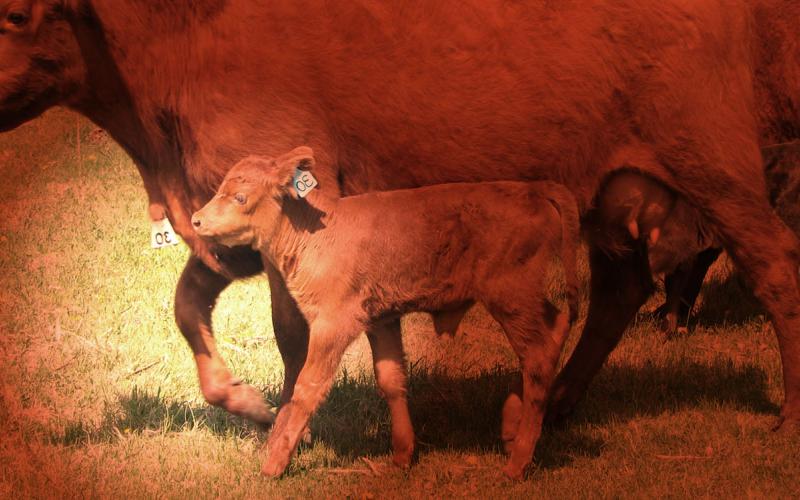
The Many Shades of Cattle Lameness
Lameness in cattle is a commonly encountered condition stemming from pain in one or more limbs, impacting how an animal moves. Learn some of the obvious and subtle symptoms to check for when lameness is suspected in your animal.
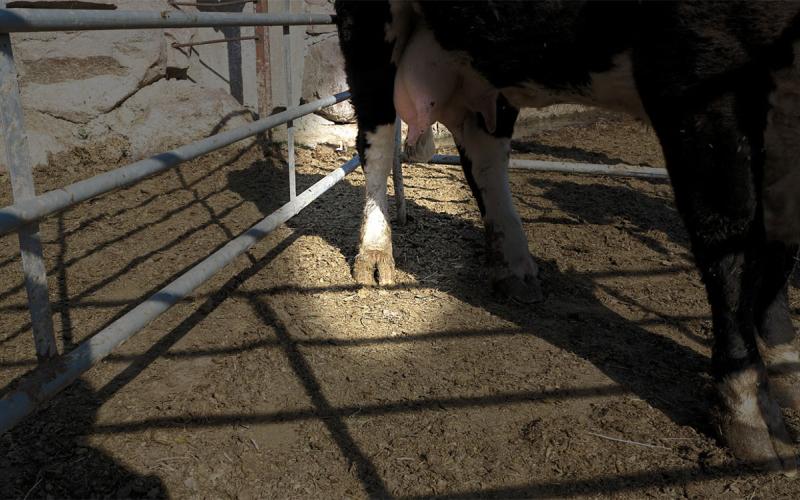
Lameness in Cattle: Causes Associated With Infections
Infections are among the most-common reasons for lameness in feedlot and adult cattle, and in some cases they can be treated or prevented with more success than other causes of lameness.
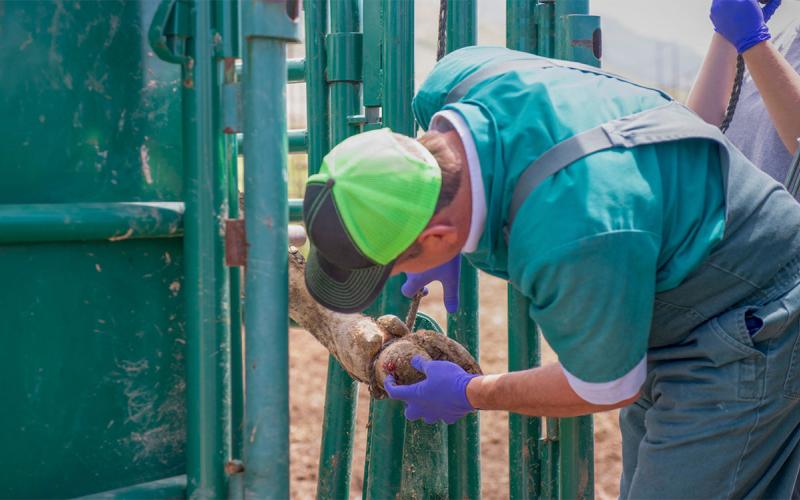
Getting to the Bottom of Cattle Lameness Cases: Diagnosis
Making the right decisions about how to deal with a lame animal depends on how accurately the cause of the lameness can be diagnosed and localized.