Search
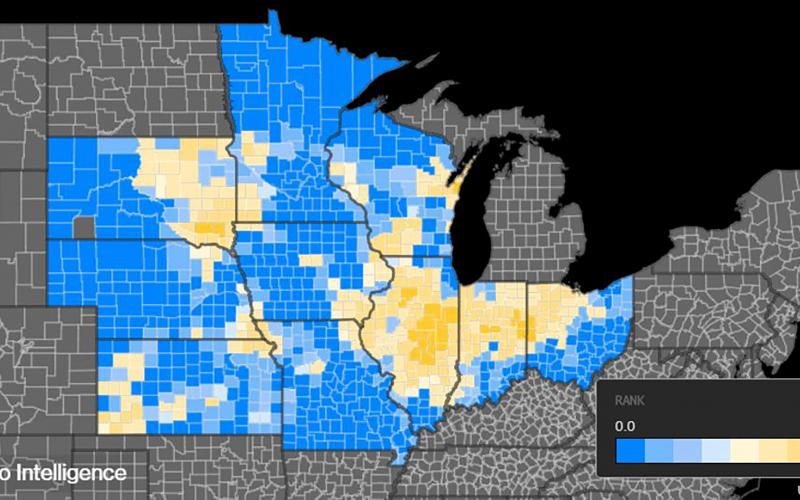
Stretching Corn Silage Supplies
During the 2002 drought there was a need to stretch corn silage supplies as a result of the drought that affected the U.S. Now we deal with the opposite scenario, where excessive spring rains have not allowed farmers to get to the fields. In both situations livestock producers face challenges.
Creating a Secure Pork Supply Plan
African Swine Fever and preparing for foreign animal disease outbreaks is at the forefront of people’s minds. Your state animal health officials offer guidance for participating in the Secure Pork Supply (SPS) Plan. Let’s take a closer look at the critical steps in developing a personalized SPS Plan for Continuity of Business.
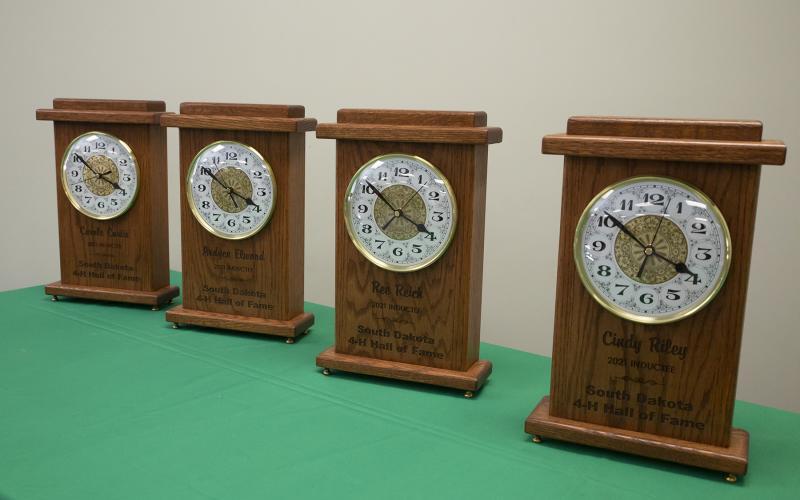
4-H Volunteer Hall of Fame
The South Dakota 4-H Volunteer Hall of Fame recognizes and celebrates adult volunteers who have dedicated themselves to making significant contributions to the development of the SDSU Extension 4-H Youth Development program.
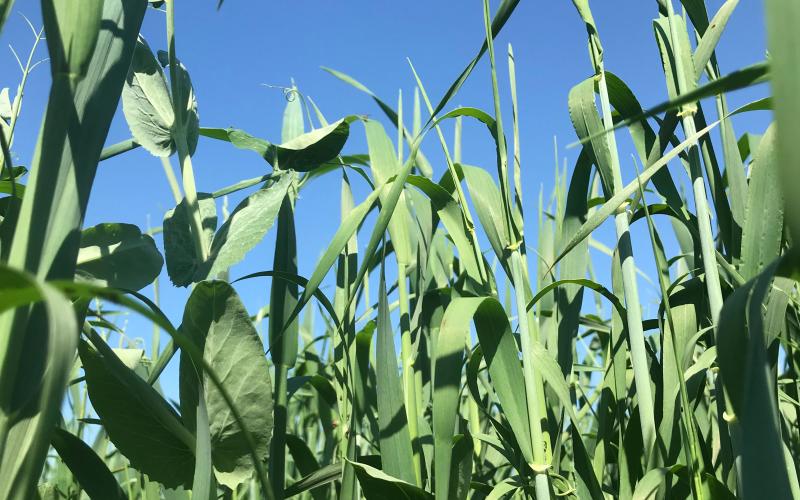
Buying or Selling Oats for a Cover Crop? Be Sure to Follow the Rules
As a challenging 2019 row crop planting season wraps up in South Dakota, many producers are looking to plant cover crops on unplanted acres. One popular cool-season grass cover crop is oats. Most oats in South Dakota are grown as certified varieties, and it is important to be aware of the legal ramifications behind purchasing oat seed for use as a cover crop.
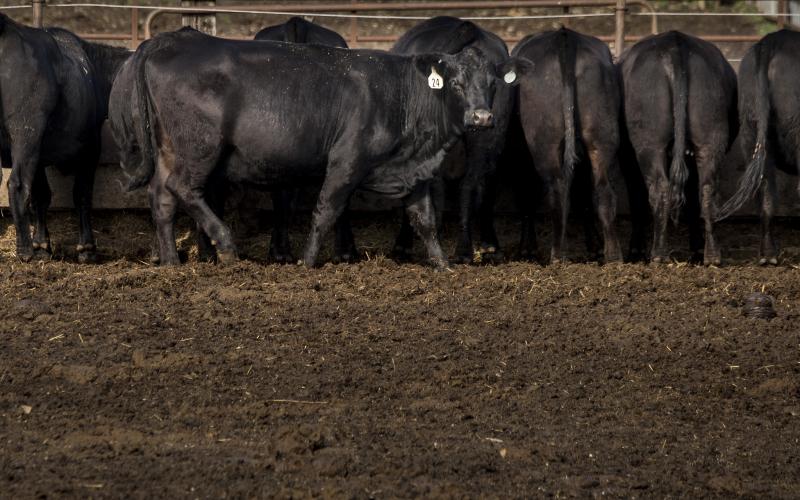
Do Temperament and Breed Type Play a Role in Feeding Efficiency and Carcass Quality?
Is there a relationship between temperament and profitability in cattle? A recent study conducted by Texas A&M University took a closer look at the impacts that temperament and breed types can have on feedlot growth performance, feed efficiency, feeding behavior, carcass characteristics, and value in finishing beef heifers.

Selling Juice in South Dakota
Understanding the regulations for selling juice in the state of South Dakota can be difficult to navigate. This article was developed to address some of the questions around juice at retail as well as selling juice at a Farmer’s Market and to also ensure that seller’s may be well informed to ensure they are selling juice that meets regulatory requirements as well ensuring the product is safe.
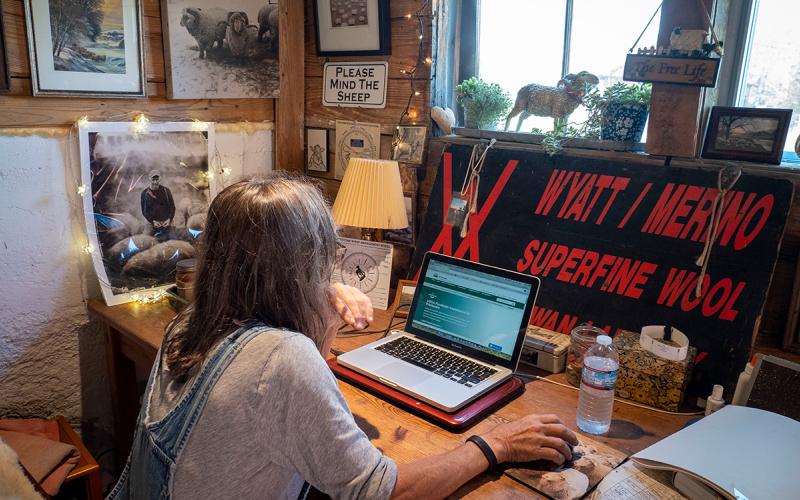
Knowing Your Numbers: What are your operational benchmarks?
Tightening margins have posed a challenge to many sheep producers over the last few years. Enterprise budgeting and knowing your operational benchmarks can help.

Should We Sell Corn Stalks?
Grazing and baling corn stalks can offer producers financial and agronomic benefits, and also provide feed resources for cattle producers. Learn how to determine if it's the right decision for your operation.
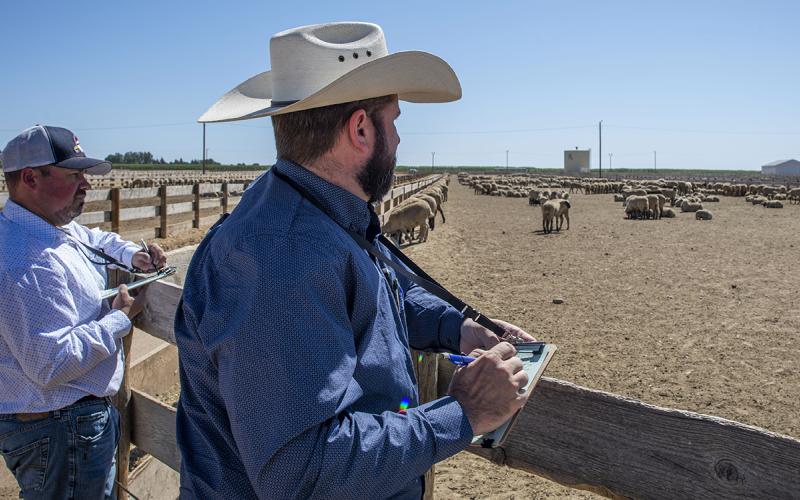
Direct Marketing Lamb: Estimating Finish Weights
Determining when lambs should be harvested is critical for optimal quality and consumer satisfaction.

SDSU Extension hires new farm and food systems specialist
June 25, 2024
South Dakota State University Extension is pleased to welcome Sarah Sellars as a new Specialist in Sustainable Farm and Food Systems.