Search
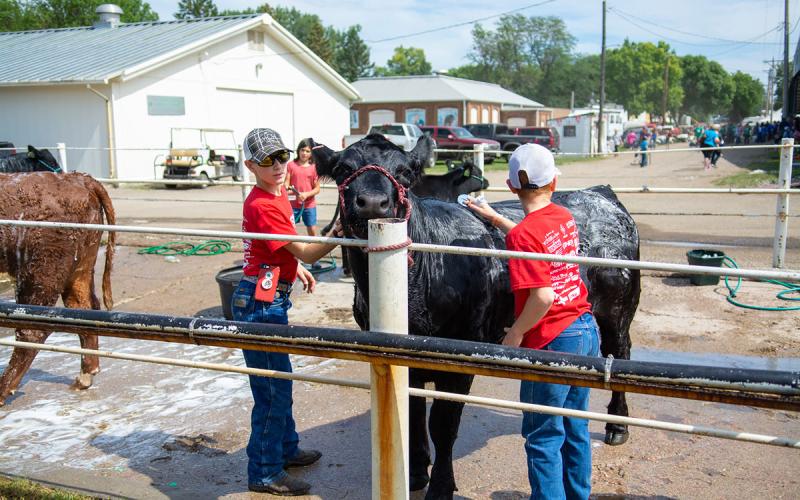
Fair Season Biosecurity
Fairs are a big part of youth livestock programs, but they come with a responsibility to care for animals the right way. With a few extra steps, you’ll be doing your part to keep your animals, your barn, and your community healthy, now and for the seasons to come.
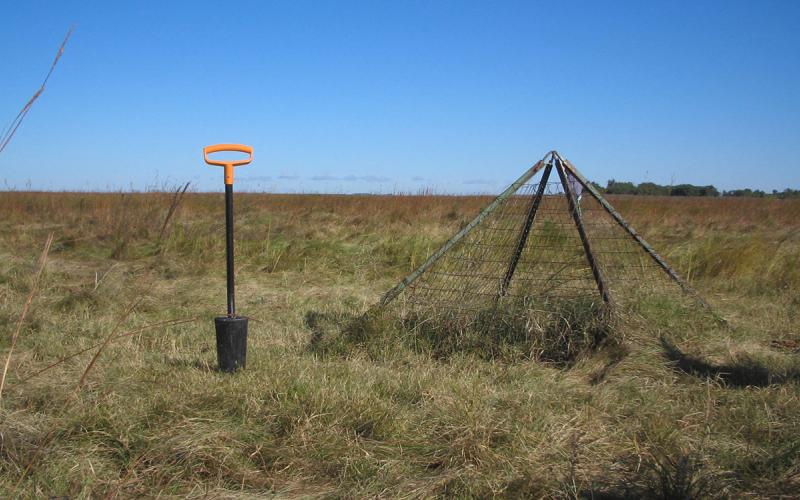
Monitoring Success
While periodic monitoring is necessary for continued success, a thorough evaluation in the first few months will tell you a lot about grazing levels, benefits to livestock and livestock-to-acre ratio.

Farm to School
Farm to school provides an opportunity for youth in early childcare, educational settings, after-school programs and other settings to experience local foods.
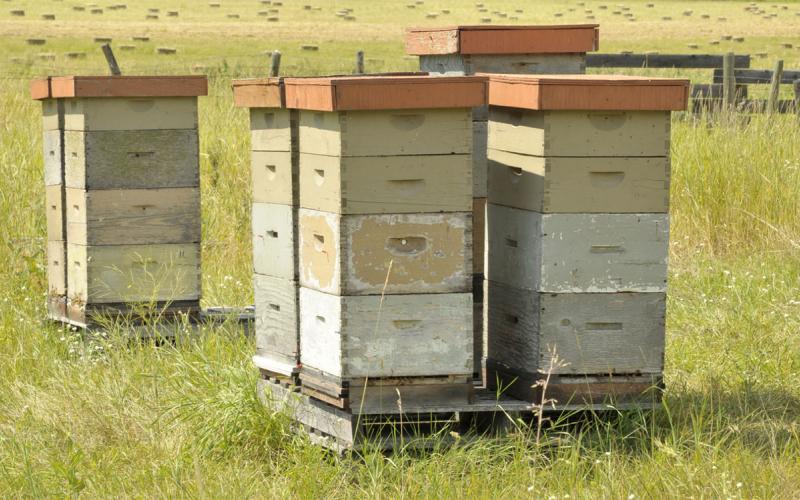
Grassland Goods and Services
Grasslands, whether in the form of pastureland, rangeland or various conservation program or habitat lands are important ecosystems that provide a variety of goods and services.
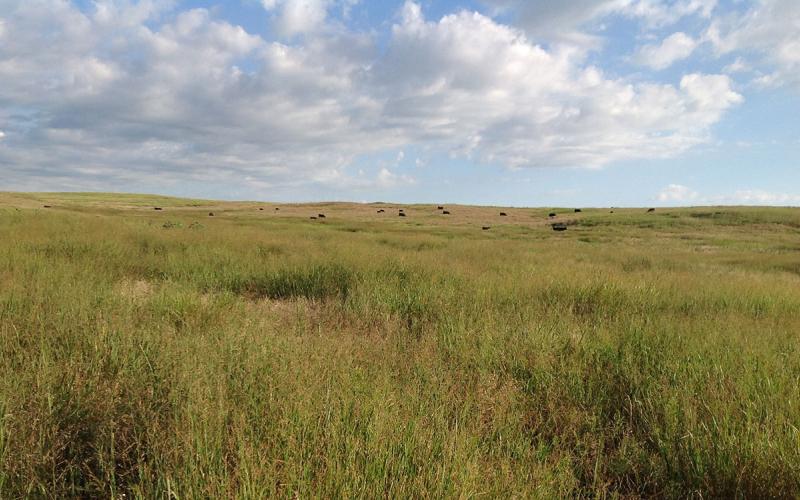
When To Graze and How Much To Graze
While every grazing management system is unique, there are a few similarities between systems when determining when to graze. Learn some of the factors to consider to avoid overgrazing.
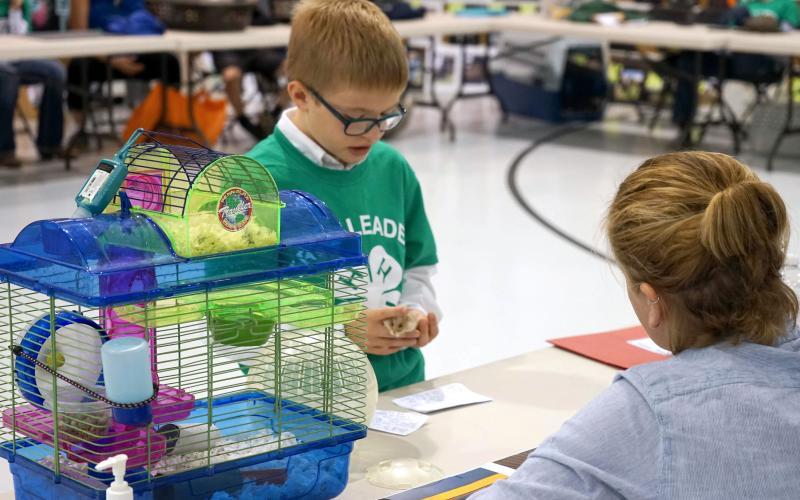
4-H Companion Animal Project
The 4-H companion animals project helps youth explore a wide variety of animals that can be used for companionship and do not require the same types of resources that livestock does.
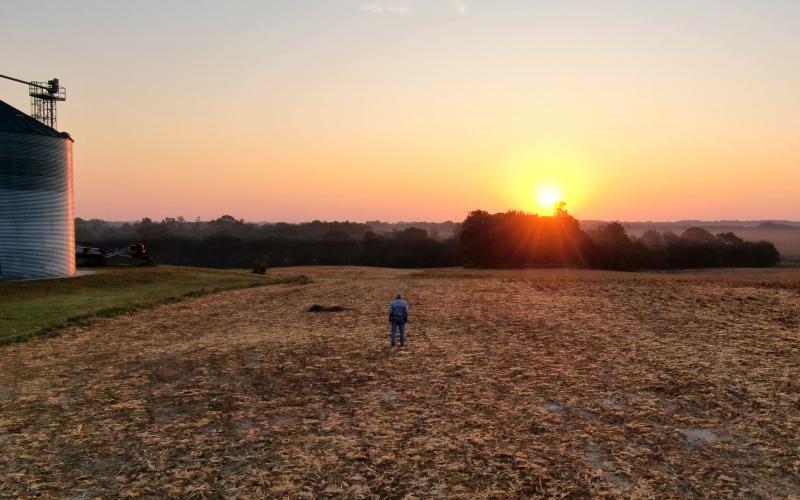
Crop Tolerance to Soil Herbicide Residual
Some herbicides can persist in soil, especially dry soil. Herbicide carryover could be an issue in 2021 across the state depending upon last year’s moisture levels and field conditions.
![A herd of cattle gather around a stock pond on a vast, lush grassland. Courtesy: USDA [CC BY 2.0]](/sites/default/files/styles/teaser_800x500/public/2019-05/W-00231-00-cattle-grazing-grassland-pasture-range.jpg?h=8f818b46&itok=6GS1_Ww0)
2017 Weed Control: Pasture and Range
There are 24 million acres of native and tame pasture and range as well as 1.4 million acres of grass hayland in South Dakota.
Weed Control: Pasture and Range
There are many undesirable plants or invasive plant species in South Dakota's 24 million acres of native and tame pasture range. This guide provides a summary of different herbicide suggestions and uses.

Bright Summers: Choosing Fun and Learning-Focused Care
Just as you did when you selected full-time care or after school care, you will want to consider various elements of summer care for your school-aged kids. Enriching summer programs are available through many types of settings, enabling children to have fun and explore at their own pace.