Search
Pollinators Party
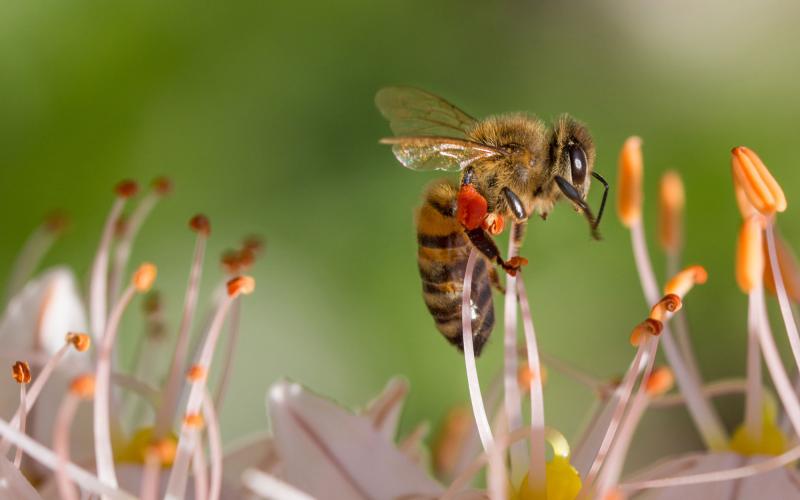
In this lesson, participants will learn how plants reproduce and how to identify pollinators that help plants.
Winter Wheat and Nitrogen: Decisions for 2026 Growing Season
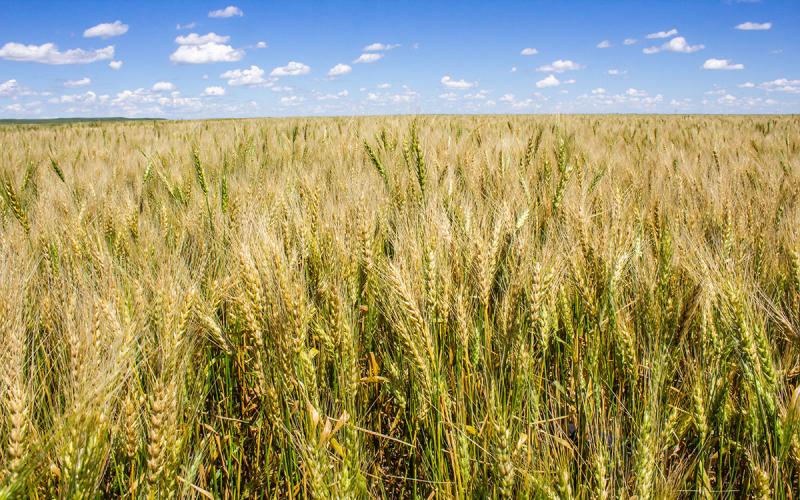
With fertilizer representing one of the largest variable costs in wheat production, inefficient nitrogen use can quickly erode profit margins. This being said, an emphasis should be placed on how to improve nutrient management during the 2026 growing season.
Replacing Distillers Grains with Heat-Treated Soybeans to Increase Finishing Cattle Growth
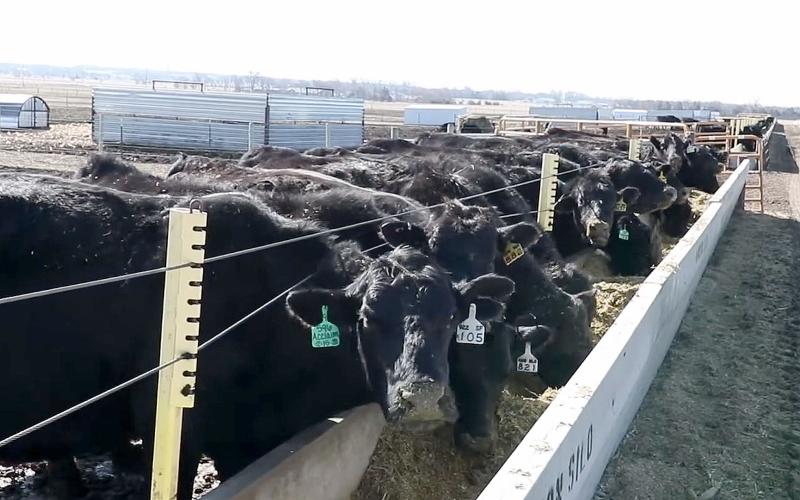
Heat-treated soybeans offer interesting attributes that could enhance cattle growth. The SDSU Feedlot Research group recently examined how they can fit into modern cattle feeding diets.

Range Roundup: SDSU’s Native Plant Initiative
The SDSU Native Plant Initiative aims to improve our understanding of South Dakota’s native plants, including which ones are best-suited for restoration and production. This information will help guide stakeholders in matching native species to desired restoration outcomes.
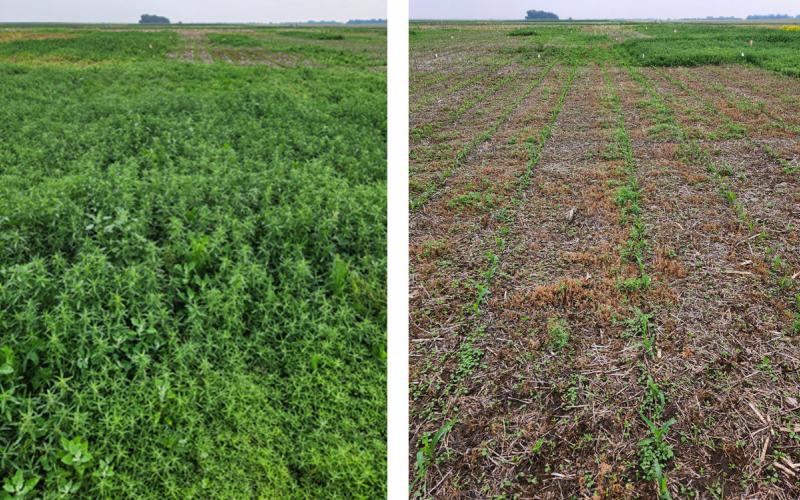
Glufosinate + lactofen is likely an effective mixture to manage kochia postemergence in soybean
Kochia is a difficult to manage weed that infests crops across South Dakota. Mixing effective herbicides is a tactic that can reduce selection pressure on resistant weeds and increase the effectiveness of weed management.
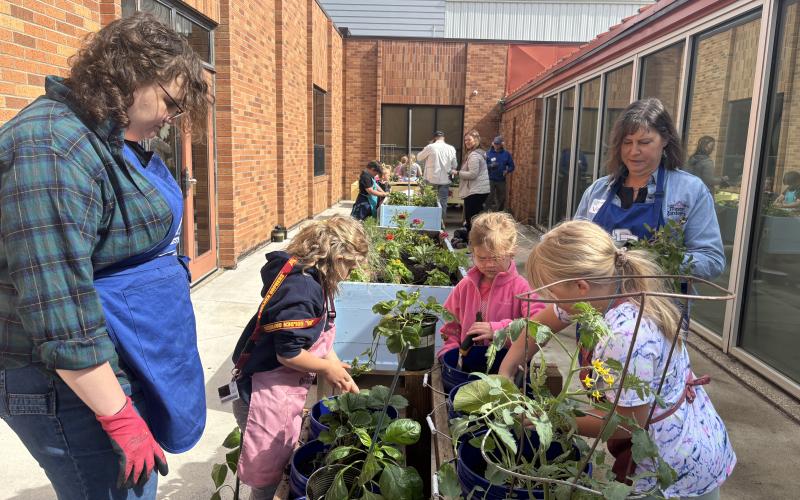
SDSU Extension salutes their volunteers during National Volunteer Week
April 22, 2026
South Dakota State University Extension is proud to salute its dedicated volunteers during National Volunteer Week on April 19-25, 2026.
Natural Resources & Conservation
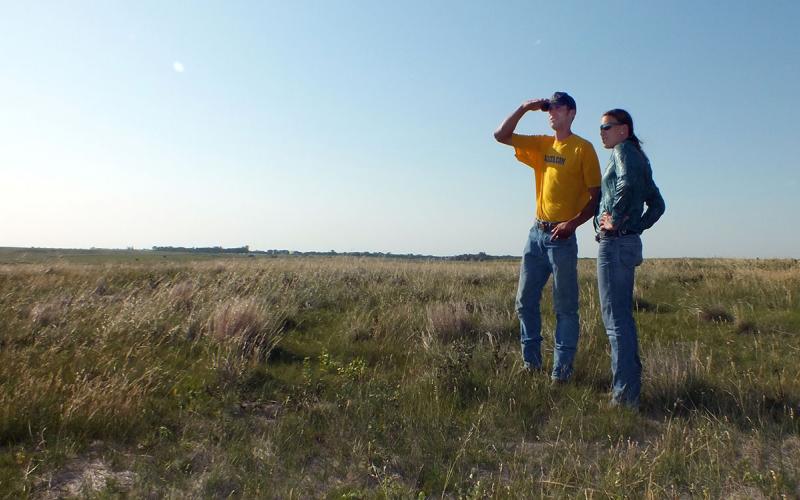
South Dakota is home to many unique land, water and wildlife resources. Our experts and partners offer research-based information through to help people enjoy, preserve and profit from these natural resources.
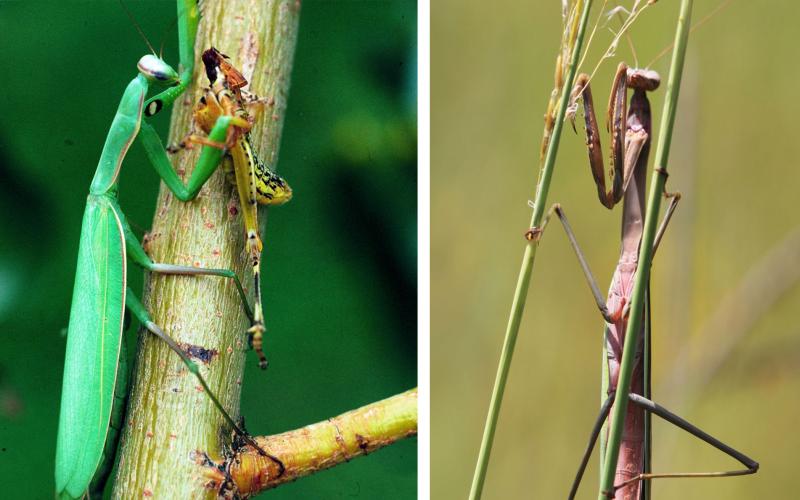
Are There Praying Mantises in South Dakota?
The short answer to the title of the article is "yes." Both the European mantis and the Chinese mantis can be found in South Dakota. As their names indicate, neither species is native to North America.
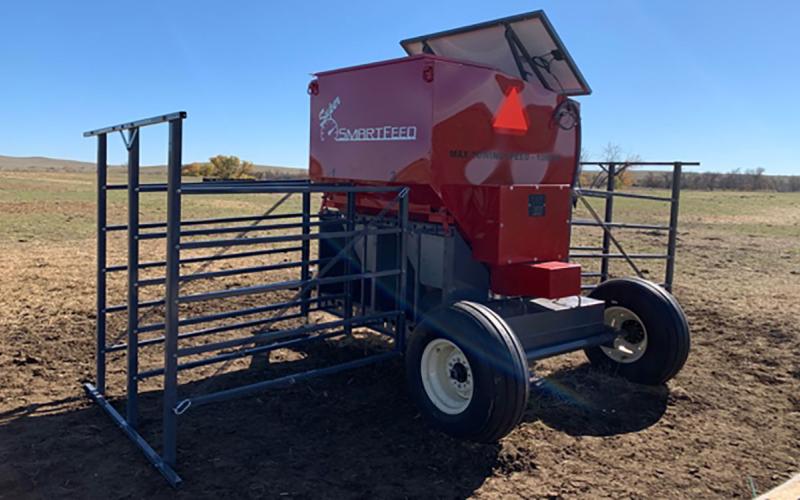
Range Roundup: Heifer Development With Precision Supplementation
In a recent research project, a Super SmartFeed Producer was used in conjunction with two SmartScales for precision heifer supplementation and development. Learn what this technology has to offer for ranching operations.