Search
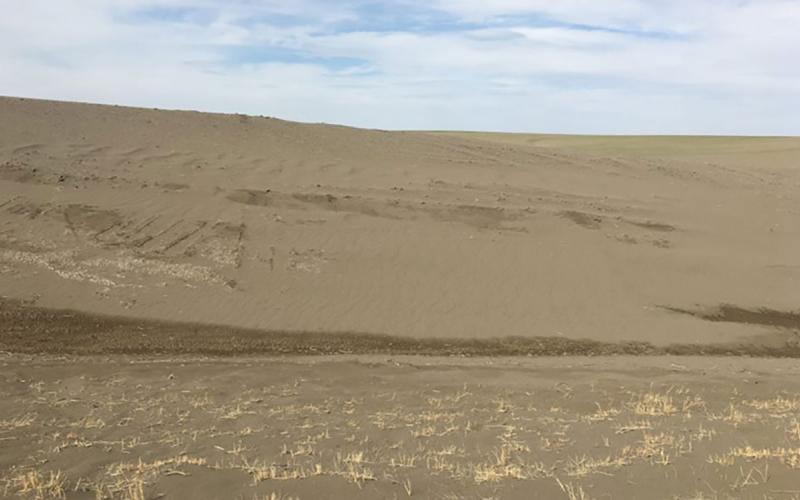
Impacts of Drought on Soil, Water, Forage and Livestock Grazing Systems
Grazing systems are complex, because soil, water, forage and livestock components are interconnected and affect each other. Producers can put themselves back in the driver’s seat by developing annual systems-level grazing plans for favorable and unfavorable situations.
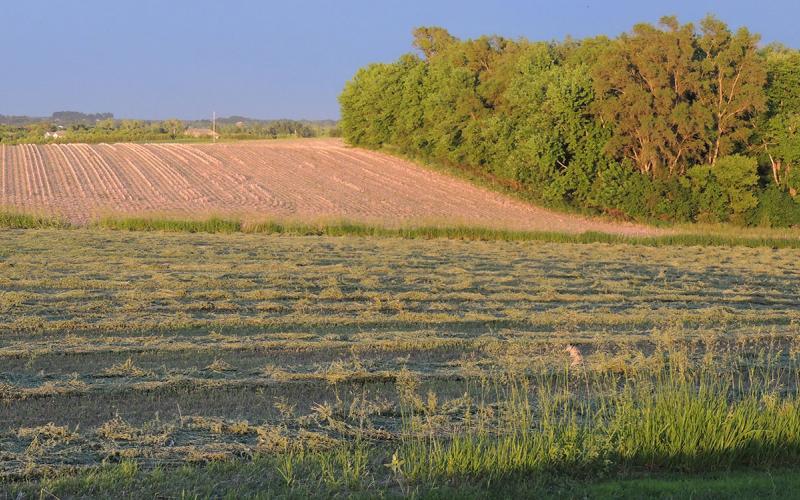
Forage Resources for South Dakota Farmers and Ranchers
Producers often have difficulties locating fellow producers to buy, sell or rent forages and grazing acres too. South Dakota now has two widely recognized, free resources to aid in these connections.
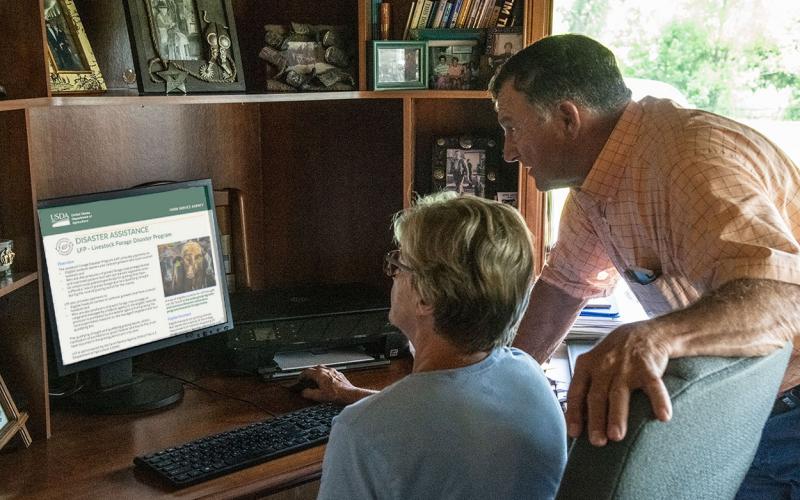
Drought Assistance Questions Answered
Dry conditions persist across the state, and many new questions are being asked regarding the federal assistance programs available from the U.S. Department of Agriculture Farm Service Agency.
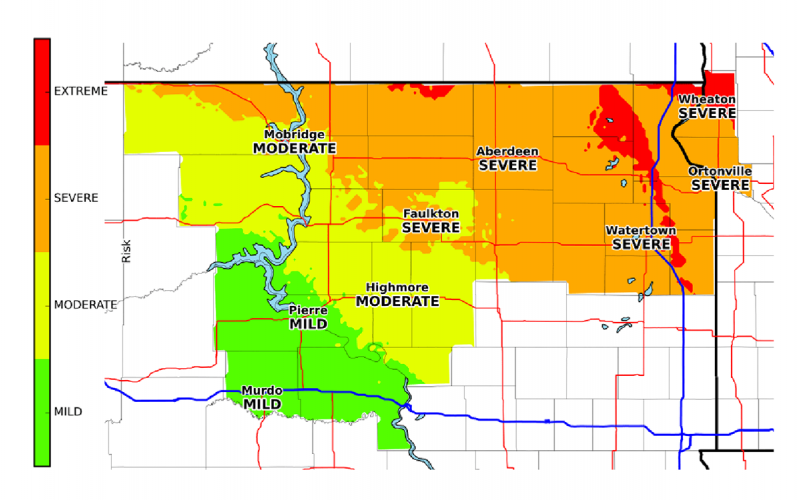
Using Weather Forecasts for Extreme Cold Risk to Newborn Livestock
Calving and lambing during a winter season with extreme weather swings can be concerning when caring for newborn livestock. The Cold Advisory for Newborn Livestock (CANL) forecast can be a useful tool for producers when preparing for newborn animals.
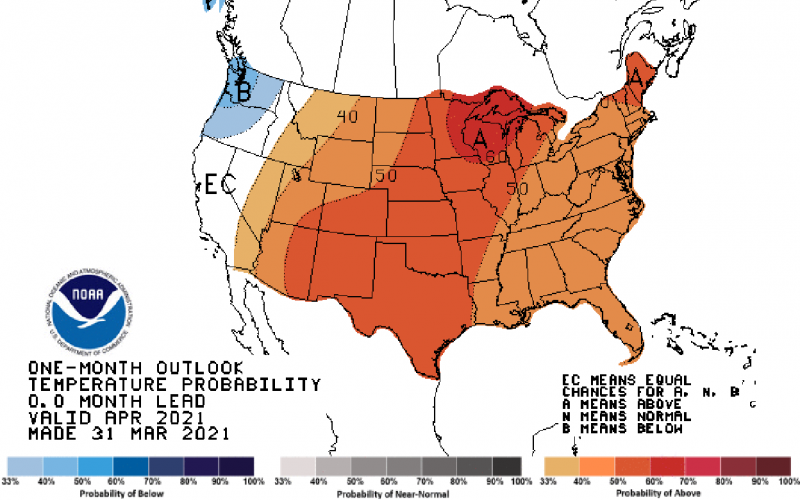
April 2021 Climate Update
As we look at March in the rear-view mirror, we look ahead to April and the potential for rain to return to South Dakota to reduce drought concerns across the state.
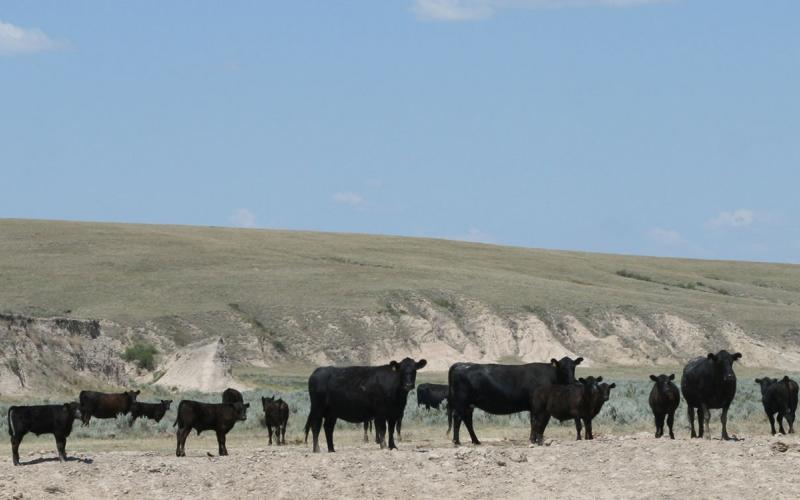
Adaptive Management: One Strategy To Increase Your Operation’s Flexibility and Resiliency
Adaptive management is a strategy that livestock producers can use to manage year-to-year variability in forage production and build drought resiliency for their operations.
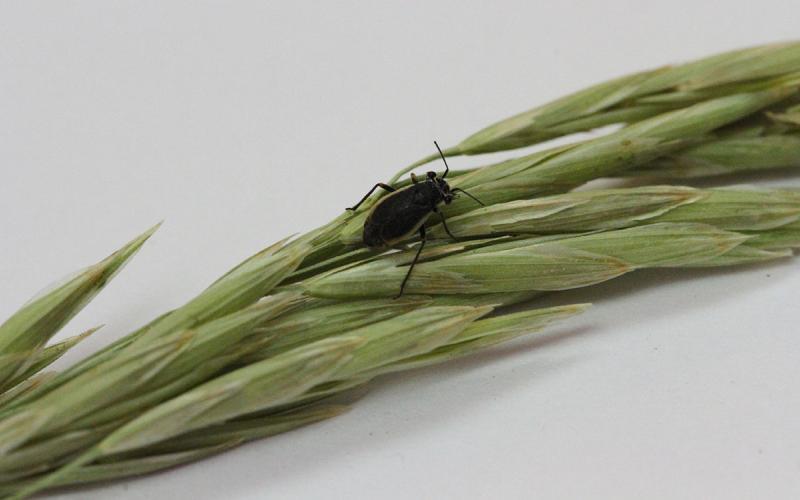
Drought Conditions Magnifying Impact of Black Grass Bugs
With much of South Dakota continuing to experience moderate-to-extreme drought conditions, black grass bugs could become a concern in some areas. Large populations of black grass bugs can cause severe damage to pasture.
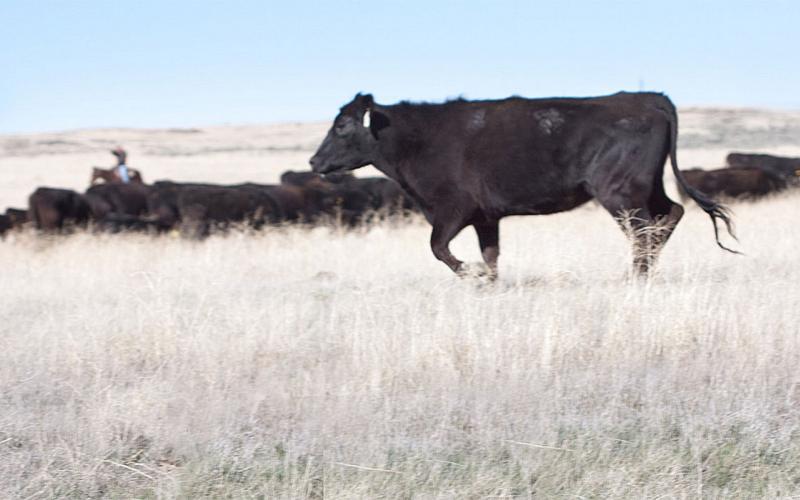
Trigger Dates: Critical Decisions for Drought Management
Having a drought plan in place ensures that you can overcome the inhibitions surrounding a drought response, the basis of which is figuring out trigger dates.
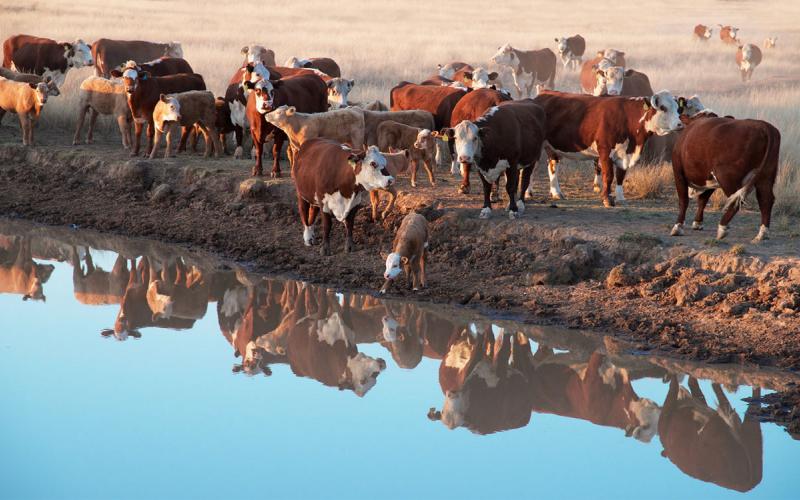
Hot Days Ahead and the Need for Water
Hot summer days are still ahead, and we need to account for water. The amount of water a cow requires varies depending on a variety of factors, including environmental temperature, lactation status and weight.
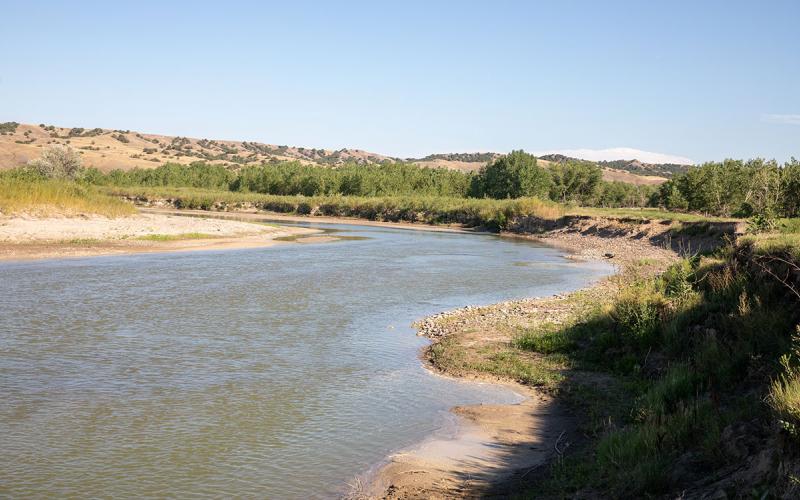
Water Rights in a Time of Drought
During a drought, it is not surprising that the South Dakota Water Rights Program will see an increase in permit applications. In South Dakota, water is considered the property of the people of the state, and depending on your intended water use, a water right permit may be needed.