Search

Cyber Insurance for Agriculture
Fact sheet about cyber insurance for agriculture
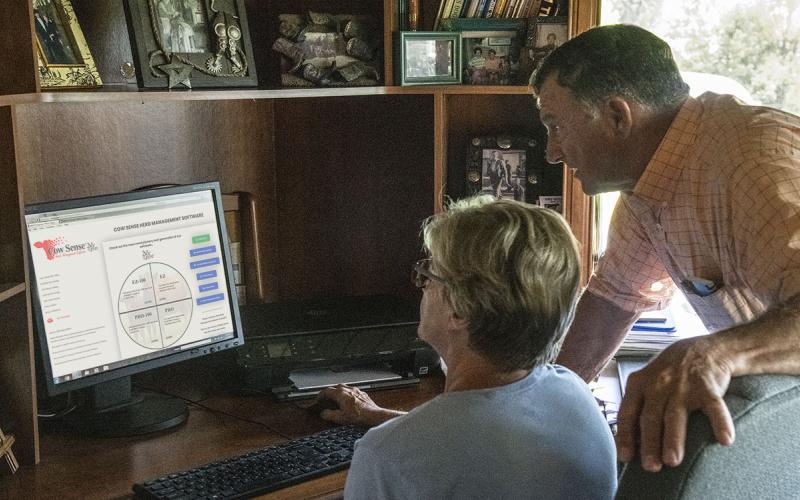
Calving Software: A Modern Consideration
Calving software offers many benefits, including the ability to keep track of records year-over-year and identify if management actions are aligning with calving season.
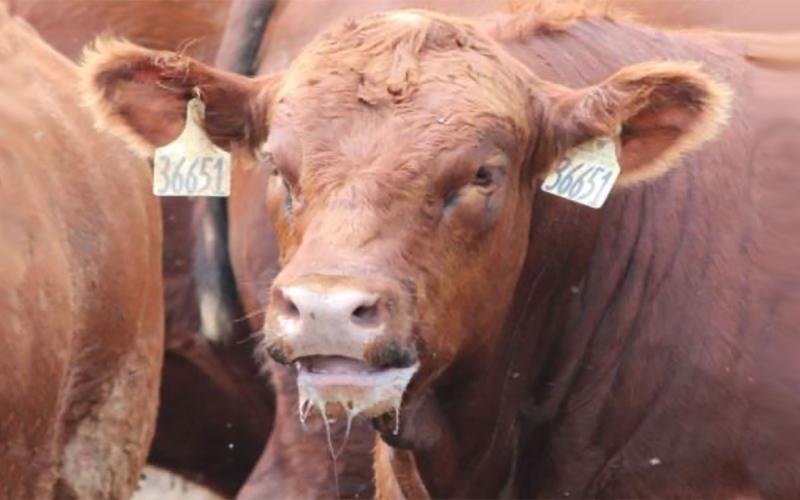
Heat Stress Forecasting Apps Available
Early summer heat stress in feedlot cattle is often triggered by rapid changes in temperature and humidity before cattle become acclimated to warmer conditions. Learn about some management tools that you can use to protect your herd.
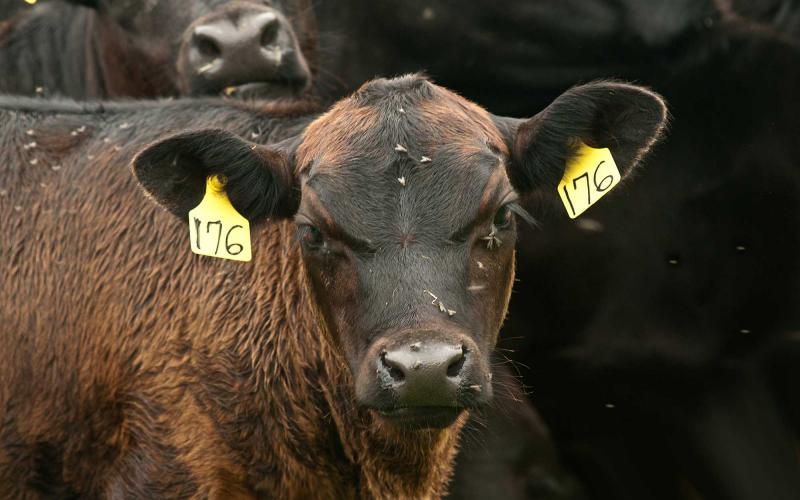
Summer Fly Control in Feedlots
Just as longer days mark the beginning of summer, so does the arrival of increased number of flies in feedlots. Flies are not only are an annoyance, they can reduce performance and worsen heat stress. Successful control strategies start with sanitation.
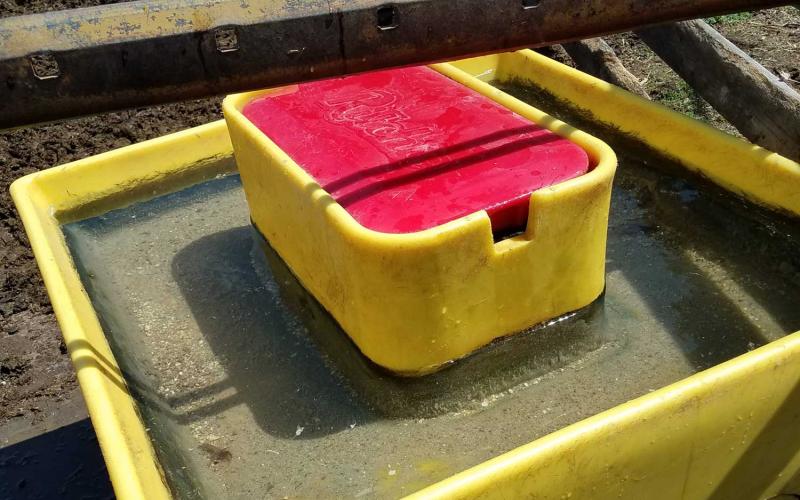
Water: The Unappreciated Nutrient
Water intake is strongly linked to feed intake, so any factors that cause cattle to drink less will lead to reduced feed intake and consequently reduced performance.

State Fair Book
Use the State Fair Book to prepare 4-H exhibits for the South Dakota State Fair.
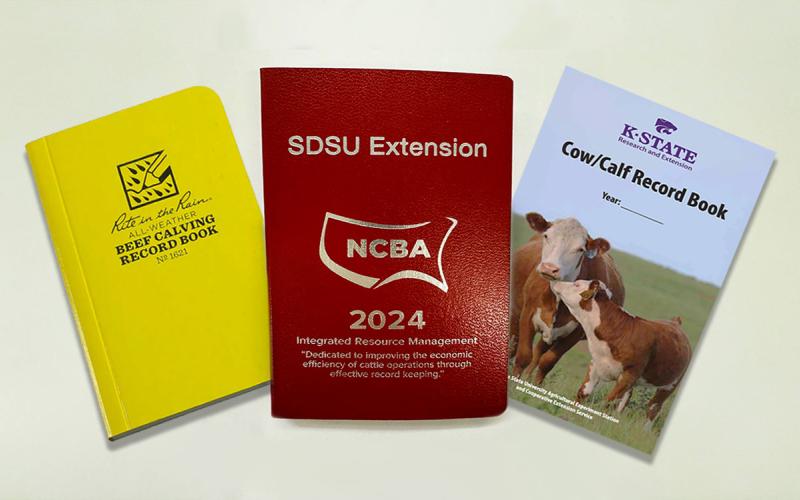
Calving Books: Don’t Judge a Book by Its Cover
Calving books are an essential record-keeping component for cow-calf operations. Learn some expert tips for finding a book that best suits your operation and employees.
The Growing Threat of Cyber Attacks in Agriculture
The with growing digitalization of our food production systems, everyone should take an active role in preventing the threat of cyber-attacks.
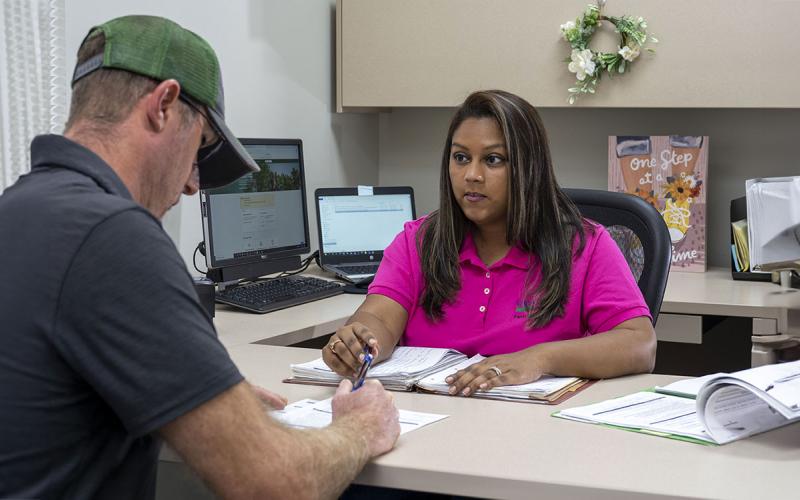
What should you do before or after any cyber security breaches?
Preparation is critical for managing cybersecurity breaches in agriculture, where digital tools and data are increasingly integral to operations. Learn what you can do before, during, and after a security breach to protect your operation in the event of a breach.
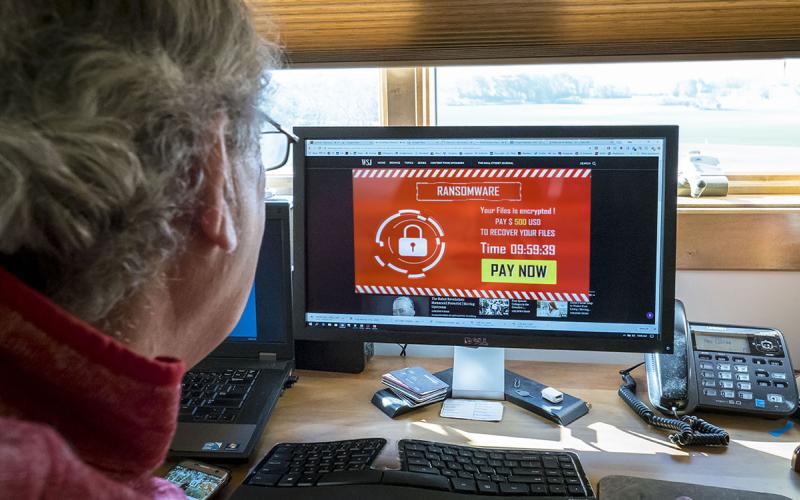
Ag Cybersecurity and Social Engineering 101
Social engineering is manipulating individuals to share confidential information and compromise security. By understanding the basics of social engineering, stakeholders can take proactive steps to ensure the resilience of agricultural systems against cyber threats.