Search
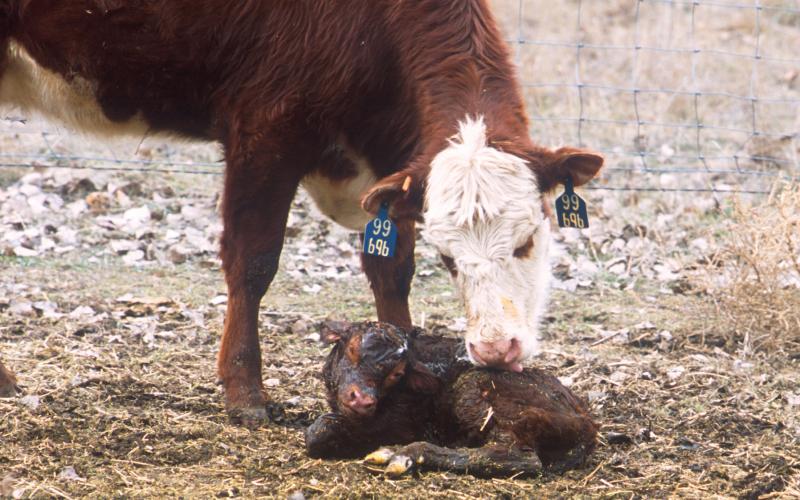
Beef Cow Nutrition During Calving and Early Lactation
Calving season has started or will be starting in the near future for most producers. Nutritional management of the cow herd is more important during the periods of late pregnancy and early lactation than any other.

Early Season Soil Tarping Impacts on Weed Pressure and Onion Yield
Research report on whether soil tarping can reduce weed pressure in onion yields
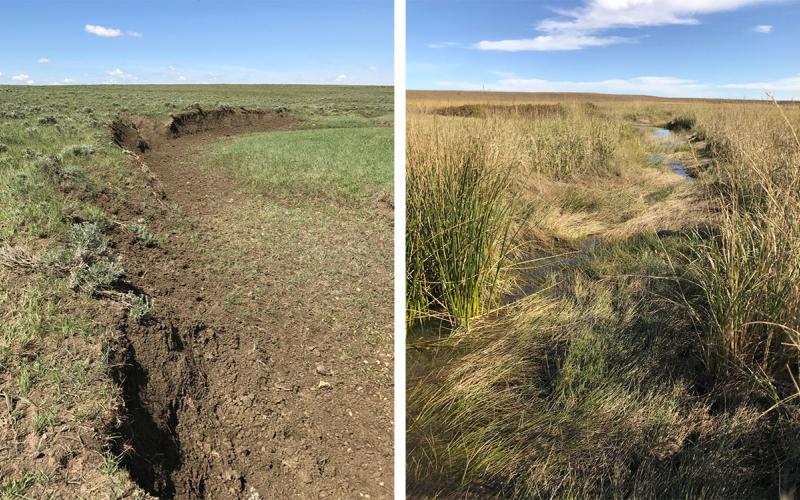
Ranching and Prairie Streams: What Healthy Riparian Areas Mean for Your Ranch
Prairie streams and their associated riparian areas can provide numerous ecosystem services to a ranching operation.
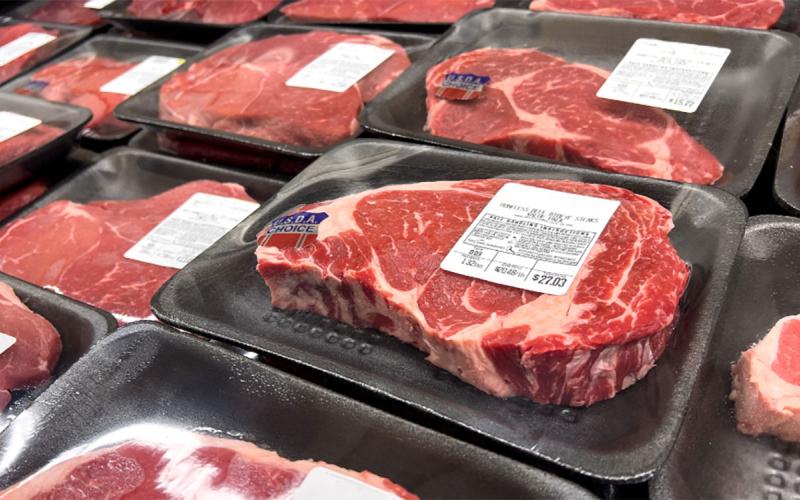
USDA Beef Quality Grades: What do they mean?
A large portion of beef sold at retail is accompanied by a USDA quality grade label. Learn how quality grades are determined, what they mean, and how they can be used to select the perfect cut for your purposes.

Building Better Caregivers
Approximately 40 million Americans provide unpaid care to older adults with disabilities, the majority of whom also juggle a job or other responsibilities.
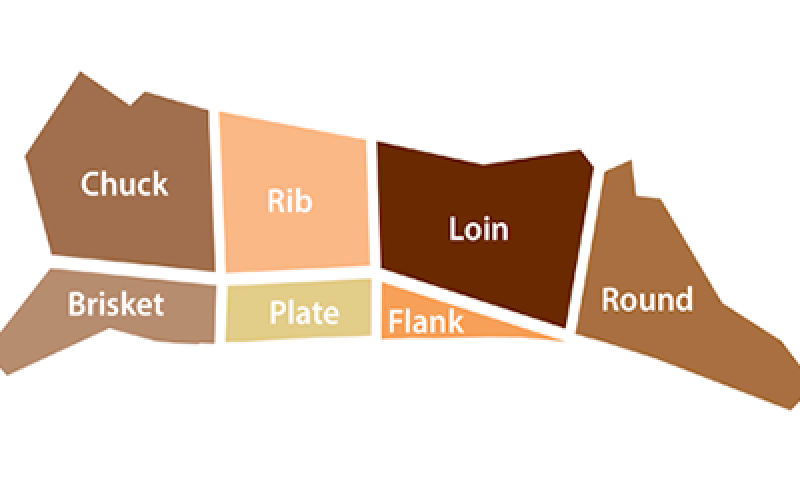
Buying Beef at the Grocery Store
The tremendous number of choices available to beef consumers offers a cut for any meal, but can also leave the most confident consumer puzzled as to the proper cut that should be purchased. Use this guide to help you select the ideal beef cut for your occasion.
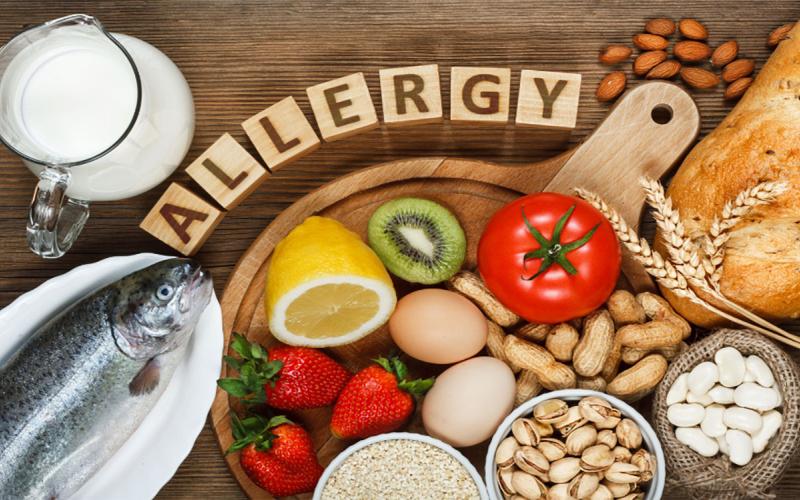
Food Allergens
In the United States, about 8% of children and 10% of adults are affected by a food allergy. Learn about some of the most-common food allergens along with some expert tips for managing them.

Introducing Solid Foods to Infants
The Dietary Guidelines for Americans and the American Academy of Pediatrics recommend introducing solid foods when infants are about 6 months of age. Learn some expert tips for getting your infant off to a great start!

Infant Nutrition
From breast milk to formula, learn some expert nutrition tips to ensure that your infant grows healthy and strong.
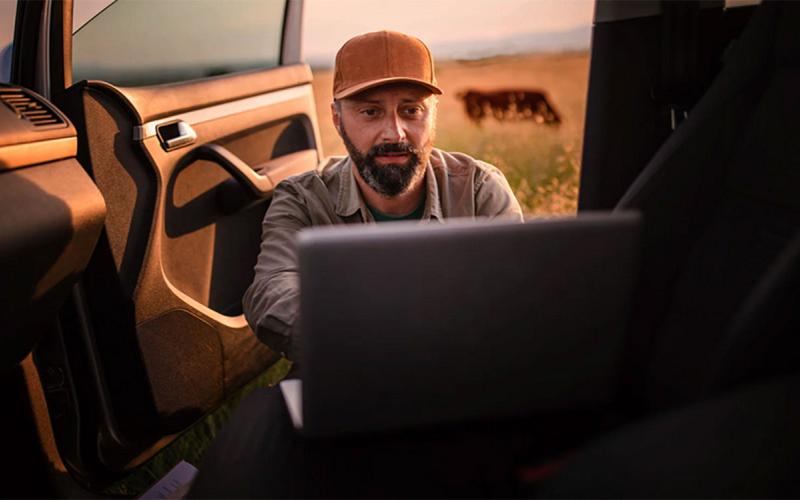
Online Tools To Help With Rangeland Drought Planning
Learn about some free online tools that producers can use to assess drought conditions, evaluate forage resources, and manage herds through periods of abnormally dry weather.