Search
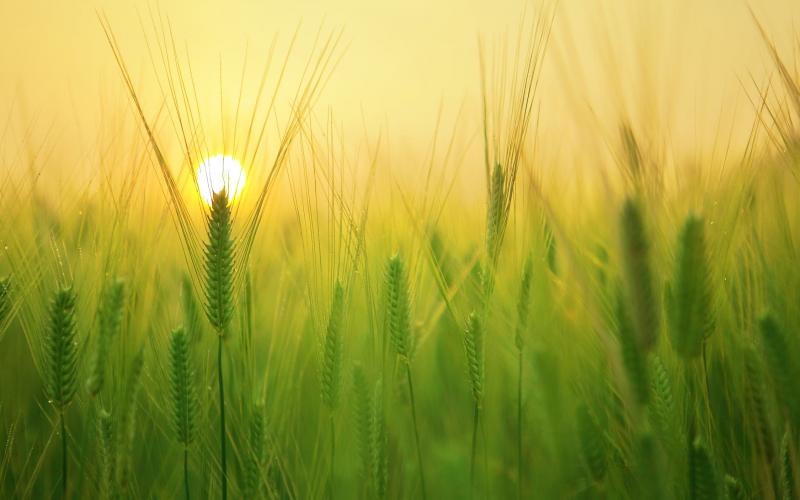
Water Use by Plant Stage
Over the growing season, solar radiation, air temperature and plant size are the dominant factors in determining evaporative demand and the rate of water use by wheat. Water use can vary dramatically on a day-to day basis, depending on climate and wheat health.
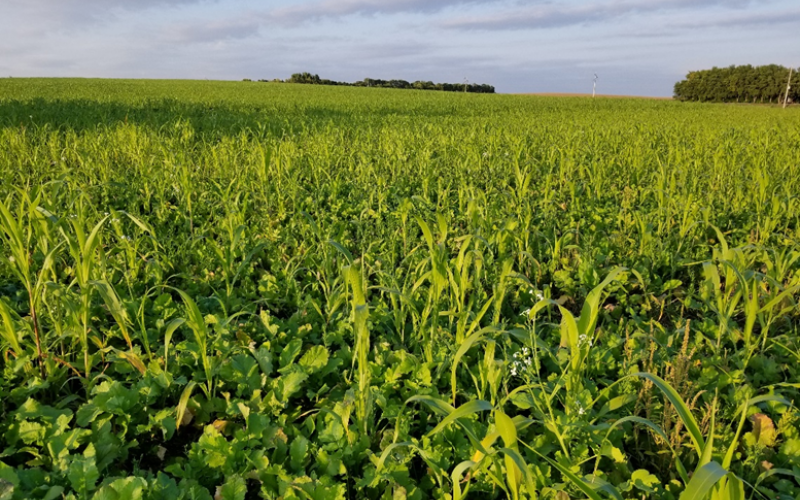
South Dakota Land Use Trends (2012-2017)
Significant education efforts for natural resource conservation have occurred in South Dakota during the last five years. Many stakeholder groups have brought awareness for soil health and water quality to the forefront.
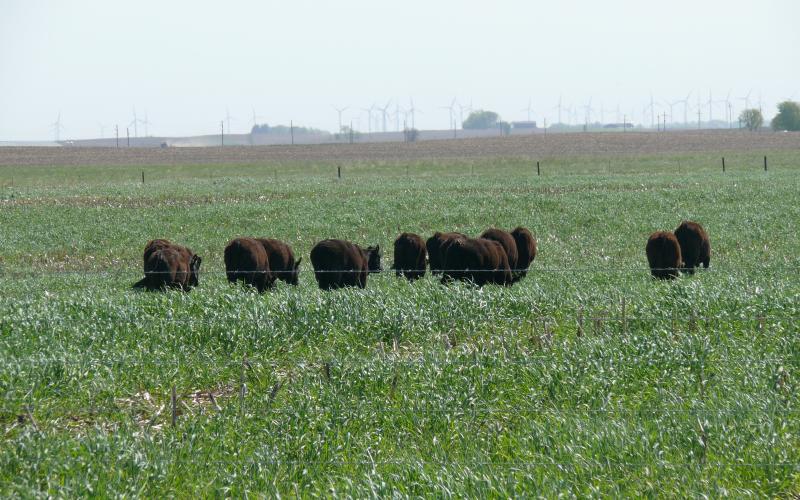
Cover Crops & Livestock Integration: A Profit Opportunity for S.D. Farms
Cover crops have been gaining a reemerging acceptance over the last decade, with very few producers disagreeing about the potential soil health benefits of adding cover crops to their farming operation.
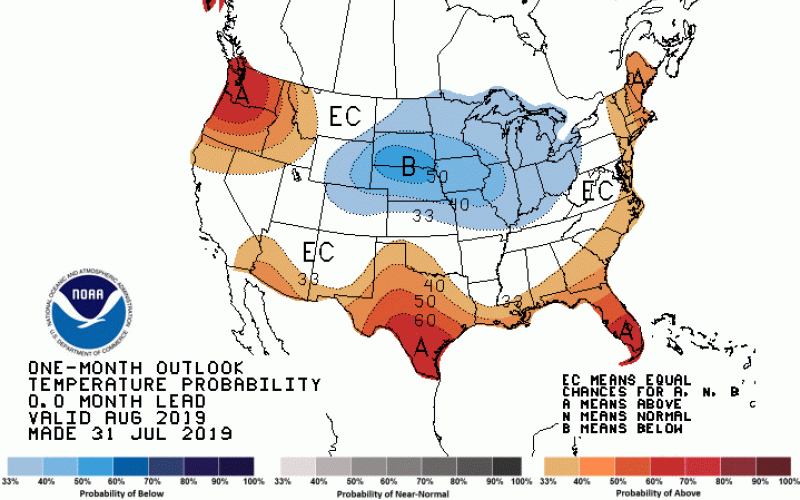
August 2019 Climate Outlook: Cool and Wet
According to the latest climate outlook update, odds are favoring that August 2019 will be cooler than average. The update was released by NOAA’s Climate Prediction Center on July 31, 2019.
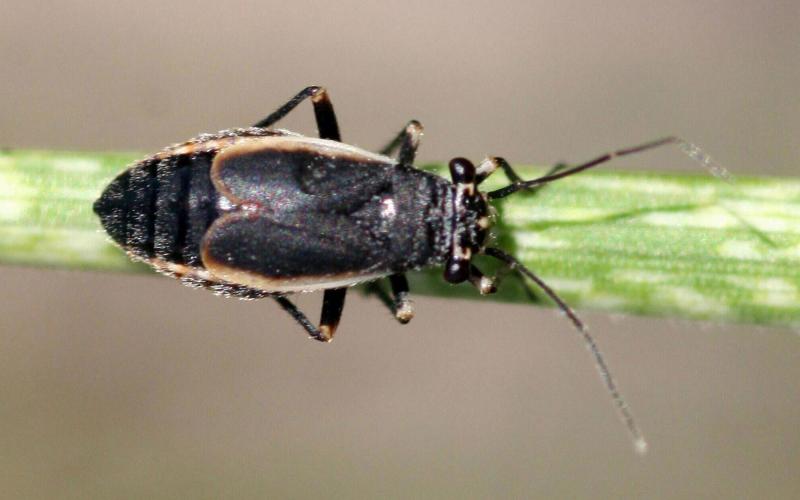
Black Grass Bug Activity Expected in Coming Weeks
Spring green-up is the time to be watching for black grass bug activity. Large populations of this early-season pest can cause severe damage to pasture (up to 90% forage reduction) and infest the edges of wheat fields.
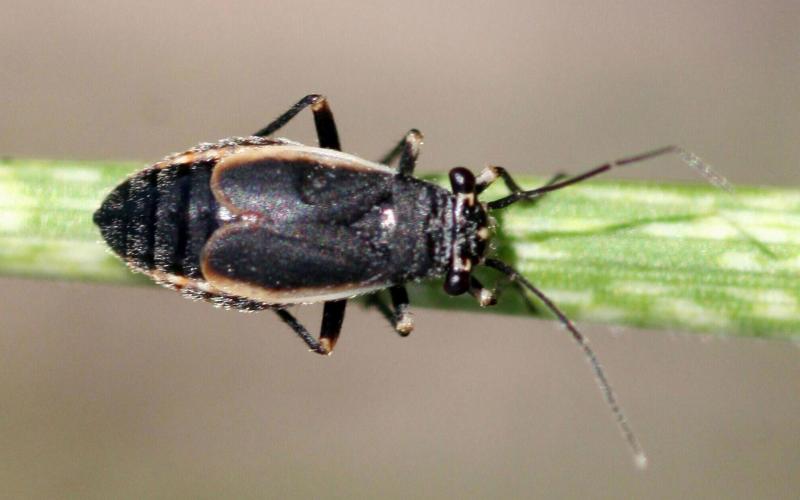
Be on the Lookout for Black Grass Bugs
It’s time to begin scouting pasture and wheat for the presence of black grass bugs. Last year, we saw the highest populations in areas of Central and Southwestern South Dakota. If left untreated, black grass bug populations tend to increase year after year.
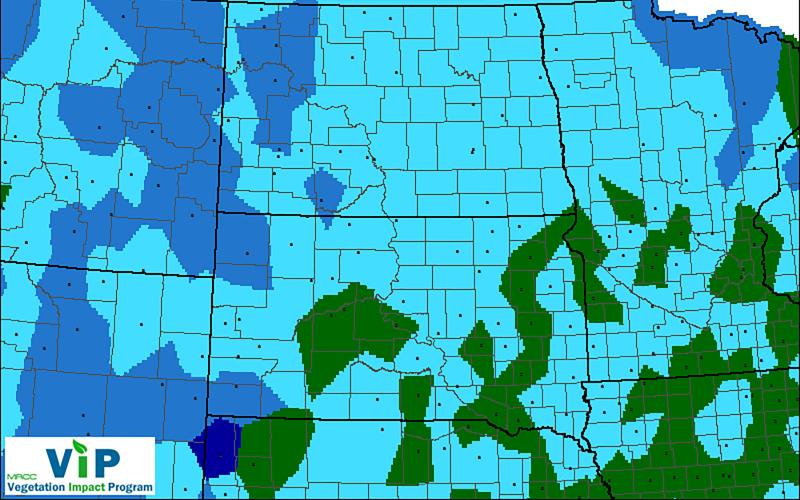
Fall Frost and September Climate Outlook for 2019
This year’s struggles with weather and climate are continuing this fall. Late planting of corn and soybeans in the spring have now combined with near average or cooler than average summertime temperatures. This combination has led to slow crop growth and the need for an extended frost-free season to ensure these crops reach maturity.
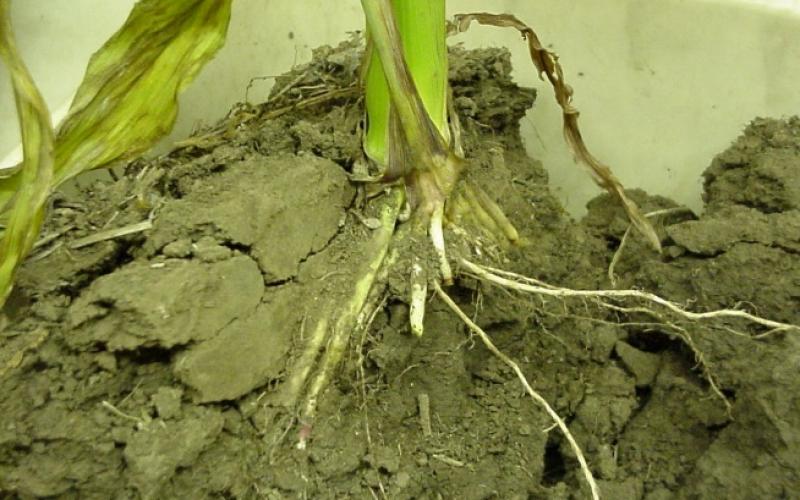
Planting Into Wet Soils
It is evident that there are high chances of planting into wet soils this spring. This is not a good decision when normal soil conditions appear to be attainable, but this year we may not have a choice.
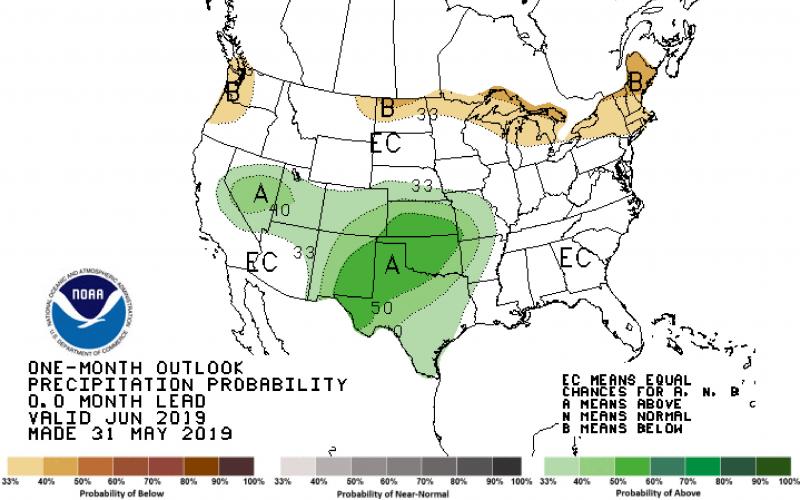
June 2019 Climate Outlook for South Dakota
As South Dakota emerges from the wettest 12-month period in 124 years of climate recordkeeping (June 2018-May 2019), June has started warmer and drier than average. The outlook, however, turns towards cooler and wetter than average again for the middle of the month.
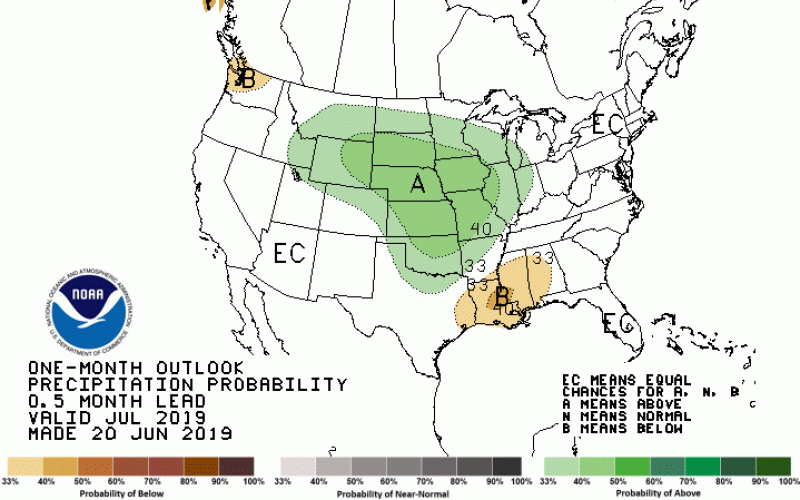
July 2019 Climate Outlook: Challenges Continue
This year’s seasonal pattern of wetter than average conditions is projected to continue through July and the rest of the summer season. The latest climate outlook, released June 20, 2019, shows an increased chance of wetter than average conditions in the next one to three months for the state of South Dakota.