Search

How Early Is Too Early to Plant Row Crops?
Although it can be tempting to get a head start with row crops, it is important to be mindful of soil temperatures and the associated risks with planting early.
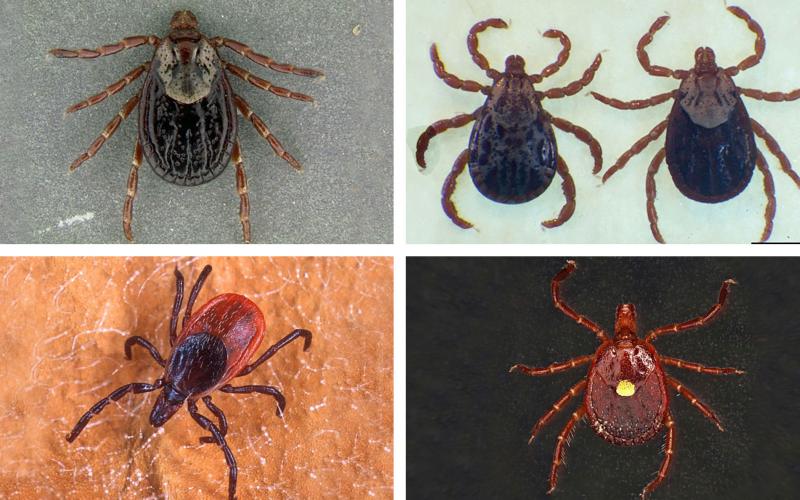
Be On the Lookout for Ticks
Ticks are one of the first pests to show up during spring. Learn some common ticks to watch out for in South Dakota, along with tips for preventing bites and removing ticks from your skin and clothing.
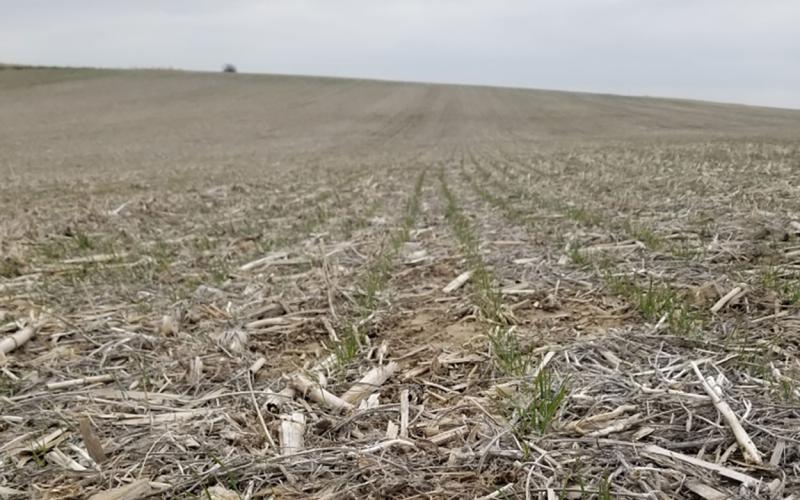
Assessing Winter Wheat Stand In the Spring
Overwintering of winter wheat starts in the late fall and is completed during spring regrowth. Factors, such as genetics, amount of snow cover and winter temperatures, can all play a significant role in winter survival of wheat crops.
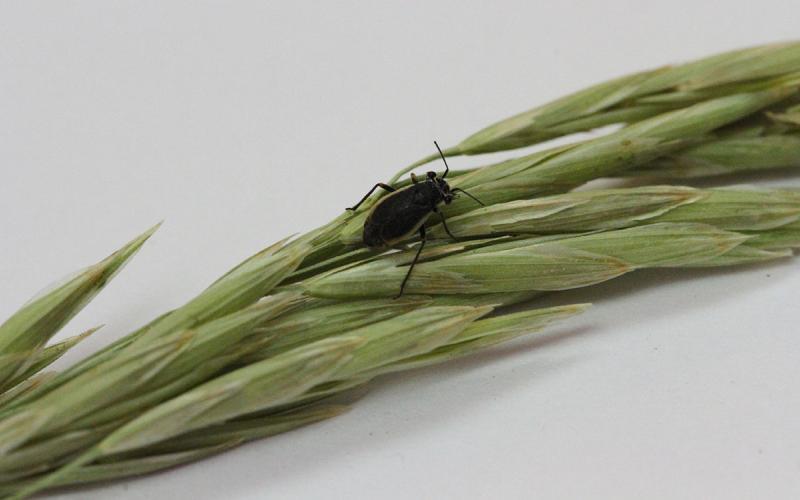
Drought Conditions Magnifying Impact of Black Grass Bugs
With much of South Dakota continuing to experience moderate-to-extreme drought conditions, black grass bugs could become a concern in some areas. Large populations of black grass bugs can cause severe damage to pasture.
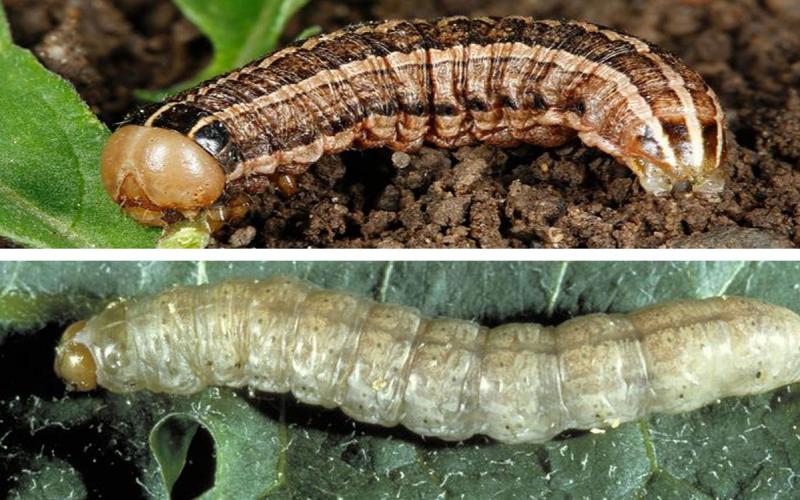
Monitor Wheat for Early-Season Cutworm Activity
It's finally warming up in South Dakota, and insect activity in wheat fields will be increasing. For wheat, a couple of early-season pests that may already be active are the army cutworm and the pale western cutworm.
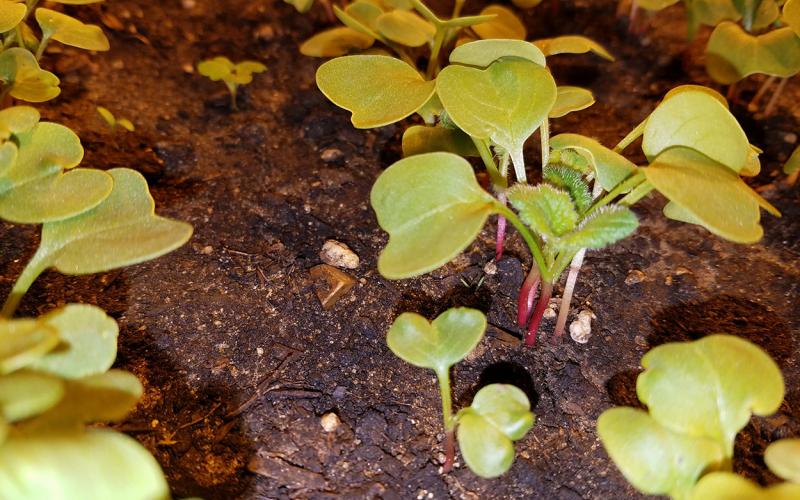
Radish: A Quick-Growing Vegetable To Enjoy in Spring
Radishes can be planted early in the growing season, as they germinate in soils temperatures as low as 40 degrees Fahrenheit.
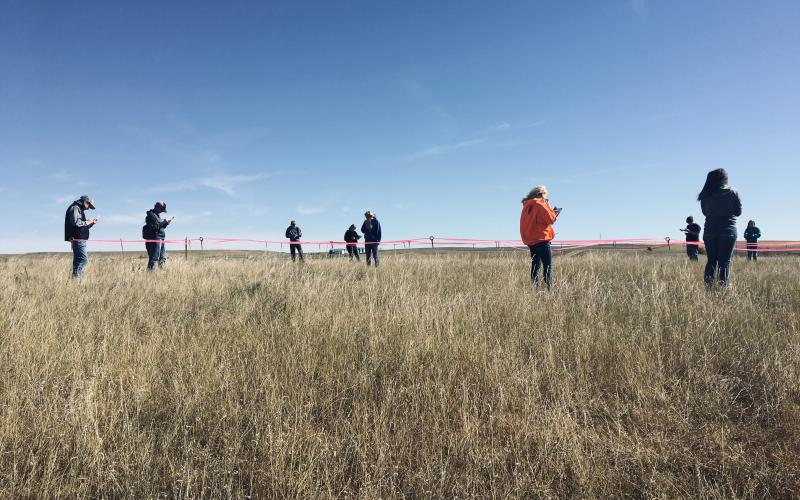
Rangeland and Soils Days set for June 2 in Murdo, Redfield
May 06, 2021
The event will focus solely on the Go-Getter (14-to-18-year-old) division. The Go-Getters will judge habitat suitability for cattle and grouse, in addition to plant identification and morphology.
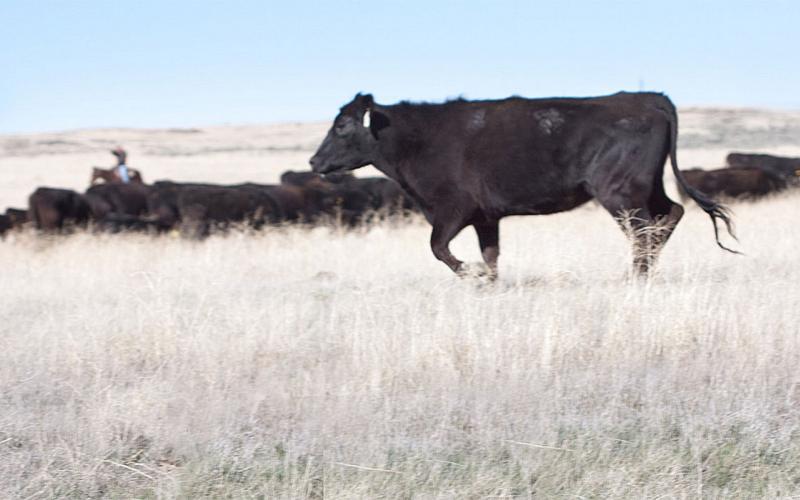
Trigger Dates: Critical Decisions for Drought Management
Having a drought plan in place ensures that you can overcome the inhibitions surrounding a drought response, the basis of which is figuring out trigger dates.
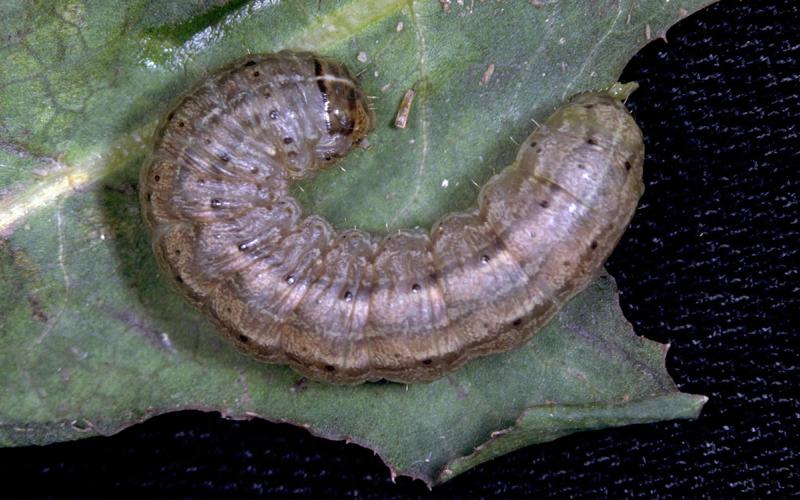
It’s Time to Scout Alfalfa for Cutworms
One of the earliest insect pests that can be found in South Dakota’s alfalfa fields are army cutworms. Injury from cutworms can sometimes be overlooked until large patches of an alfalfa field have been “cut.”
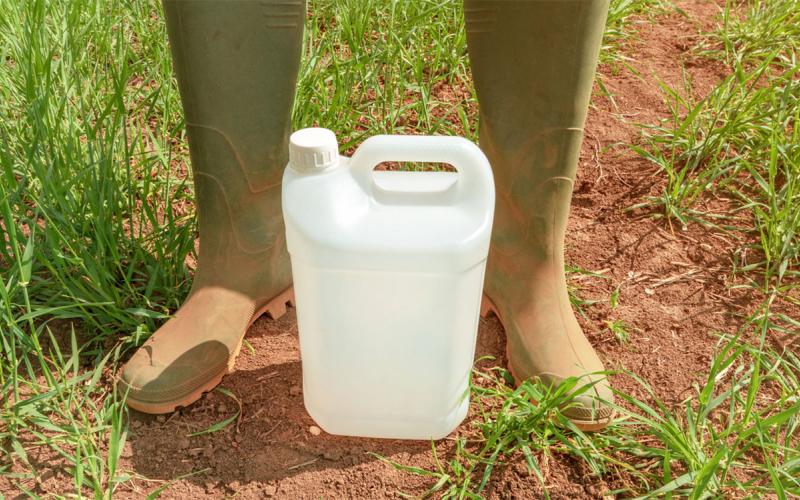
A Ban or New Rules for Chlorpyifos May Be Coming Soon
Recently, a federal appeals court gave the U.S. Environmental Protection Agency a 60-day deadline to either ban insecticides containing chlorpyrifos or set new guidelines for its use.