Search

How to Make a Safe, Ready-to-Eat Cookie Dough
Ready-to-eat cookie dough is a delicious snack or dessert that can be enjoyed, but only when made safely. This includes using commercially processed heat-treated flour, ready-to-eat ingredients and using good sanitary practices when making the cookie dough.
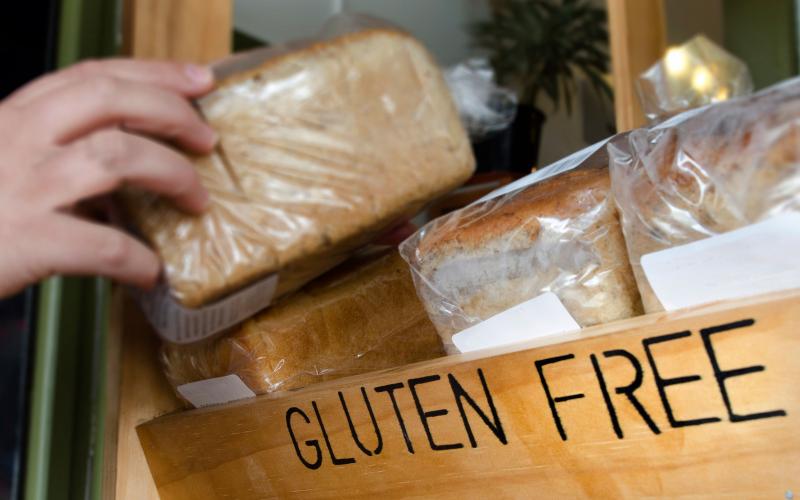
Gluten Free Product Claim Guidance
While “gluten-free” is a voluntary claim that manufacturers may choose to use in the labeling of their foods, FDA’s gluten-free food labeling rule specifies what the claim actually means on a food label.
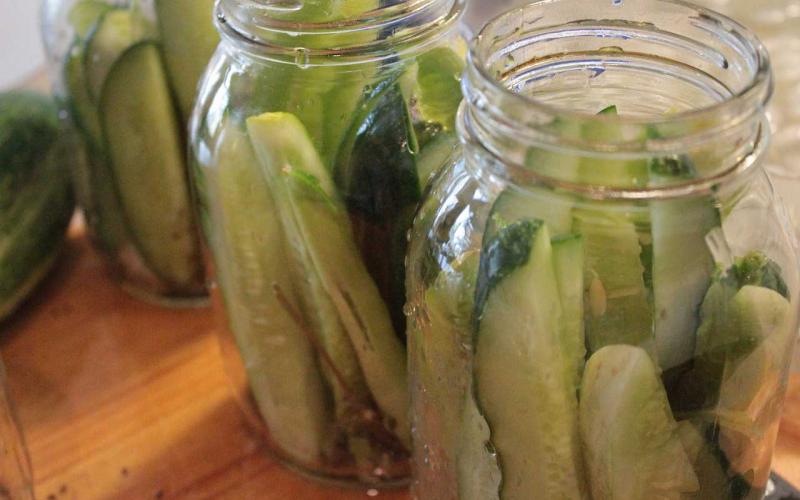
Safe Canning Recipes
One of the most common errors in home canning is not using a scientifically tested recipe. Canning a family recipe is risky as it can cause spoilage and foodborne illness.
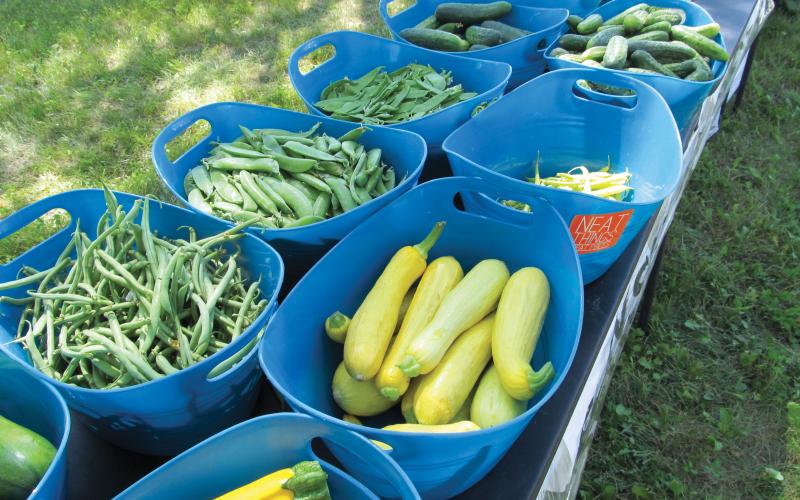
Food Safety for Farmers Markets
Food safety bulletins for farmers markets and other direct marketing vendors
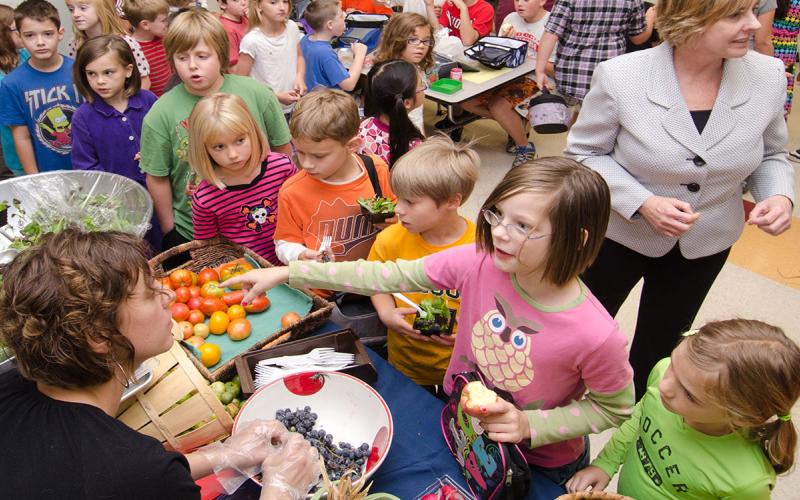
Funding Your Farm to School Program
Starting or expanding a farm to school program comes with expenses. Learn about the many farm to school funding opportunities available from state, federal, and private/non-profit organizations.
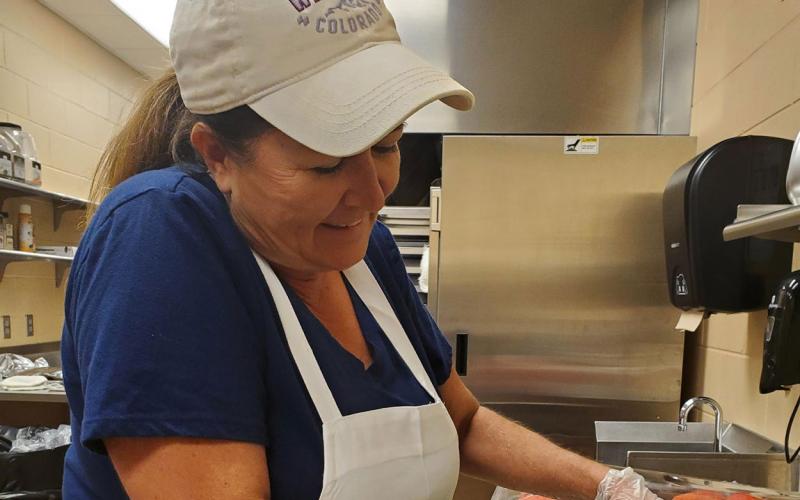
Benefits of Farm to School and Early Care and Education
Farm to school (F2S) programs have potential to create substantial positive impacts on an array of F2S stakeholders, including kids, schools (foodservice and education), early care and education (ECE) programs, agricultural producers, families and communities. Benefits exist in the areas of public health, economic development, education, environment and community engagement.
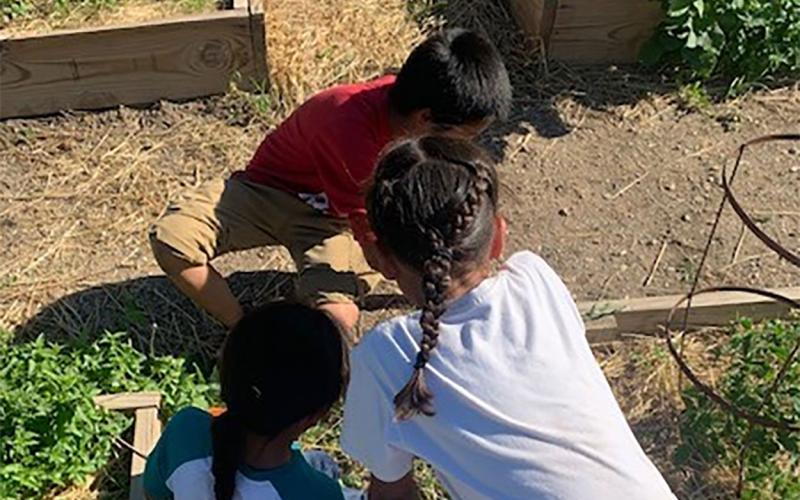
What is Farm to School and Early Care and Education?
Farm-to-school enriches the connection communities have with fresh, healthy food and local food producers by changing food purchasing and education practices at schools and early childhood education settings.
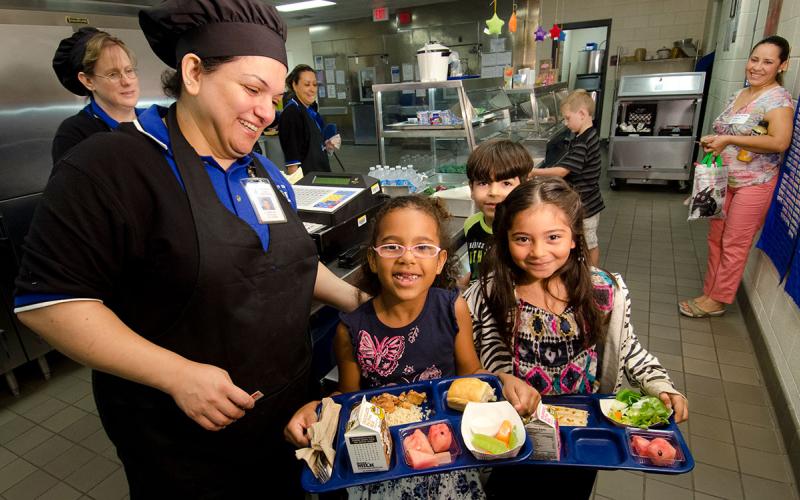
South Dakota Farm to School Stories
South Dakota Farm to School Stories highlight the fact that farm to school is for everyone and can be done in many ways.
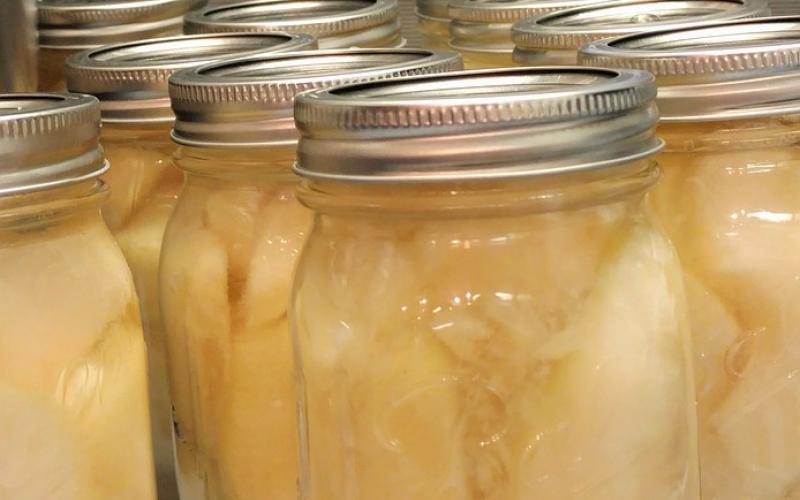
Water Bathing vs. Pressure Canning
Water bathing and pressure canning are two common ways to preserve foods by canning. These techniques use heat processing to preserve foods, and which technique you use depends on the acidity of the food.
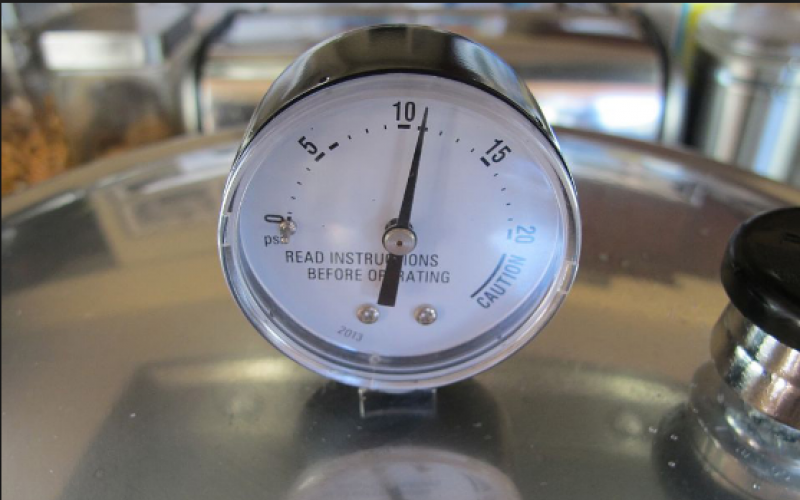
Testing Dial Pressure Canner Gauges
For accuracy before use, it is recommended that dial gauges get tested each year. Gauges that read high cause under-processing and may result in unsafe food.