Search

Range Roundup: Riparian Health Project Started in Western South Dakota
Over the last five years, federal, state, NGO and university partners and producers in Northwest S.D. were involved in a needs assessment that identified riparian health as an area of significant concern across Western S.D.
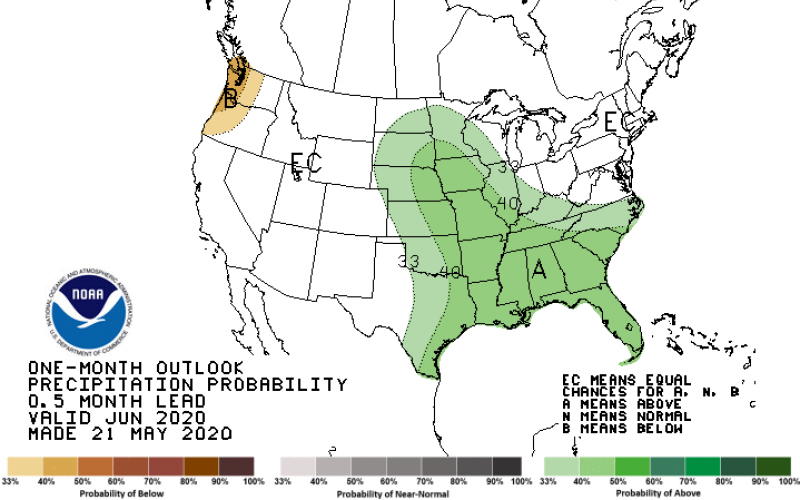
Summer 2020 Climate & Drought Outlook
August 12, 2020
With alternating cool and warm weather patterns throughout the last few months and the summer season ahead, temperature continues to be a challenge for climate forecasters in South Dakota.
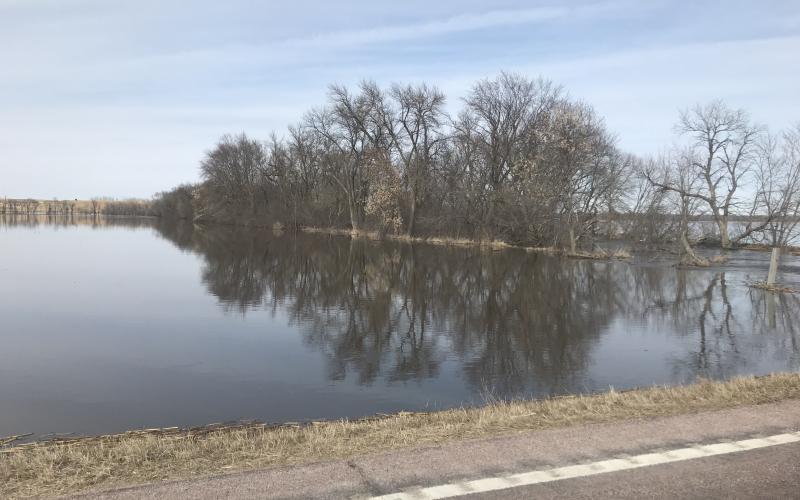
Managing Flooded Alfalfa
As floodwaters rise again in parts of South Dakota, spring planting seems to feel further and further away. One crop that is often overlooked in the hustle and bustle of the approaching planting season is alfalfa.
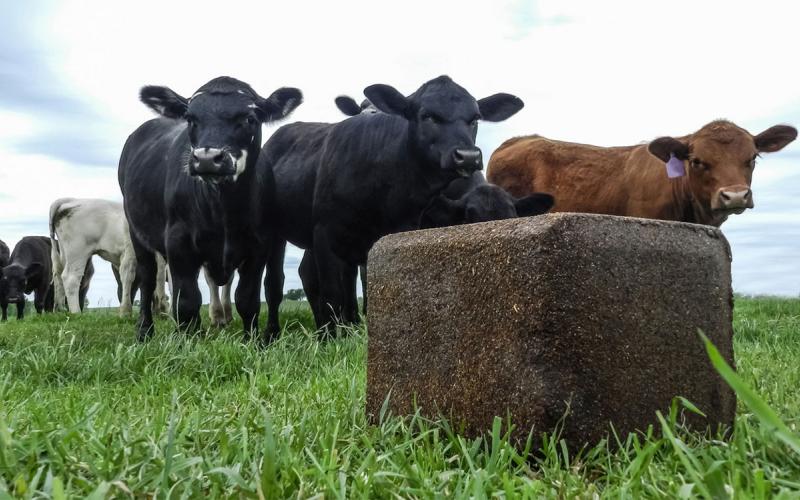
SDSU Extension to Co-Host Mineral Nutrition for the Beef Cow Herd Educational Series
May 04, 2022
SDSU Extension will host a webinar series on mineral nutrition for the beef cow herd on May 17, 19, 24, 26, and 31 from 6-7:30 p.m. MT (7-8:30 p.m. CDT).
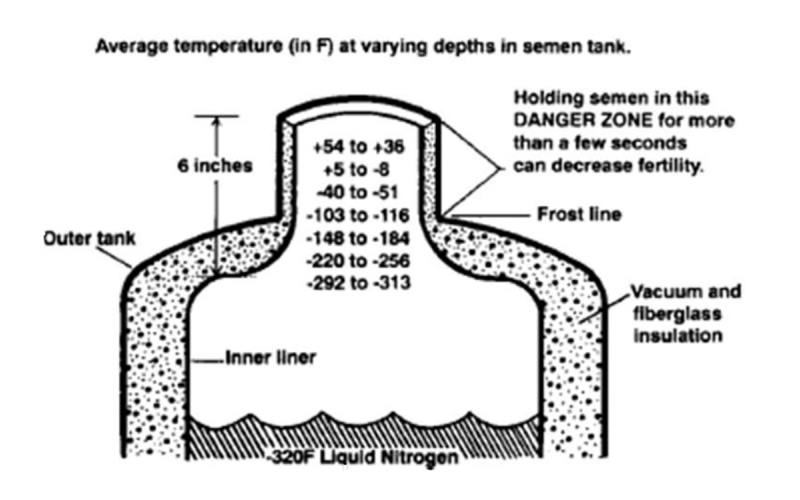
Proper Semen Handling Techniques
Proper semen handling is crucial for the overall reproductive success of an operation utilizing artificial insemination. Learn some expert tips for equipment selection, product storage and semen handling.
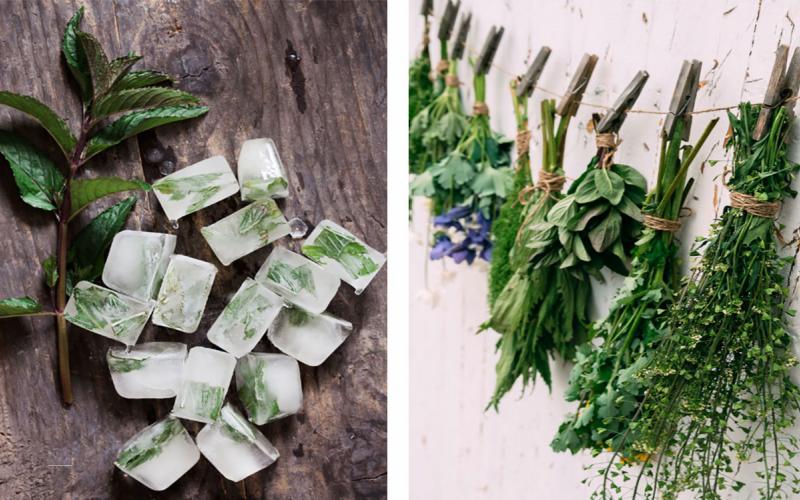
Preserving Herbs
Fresh herbs add amazing flavor to recipes during the summertime! Their great flavors can be carried over to cooler seasons through the preservation of the plants and leaves, and the two best ways to extend the life (and flavor) of herbs is through freezing or dehydrating.
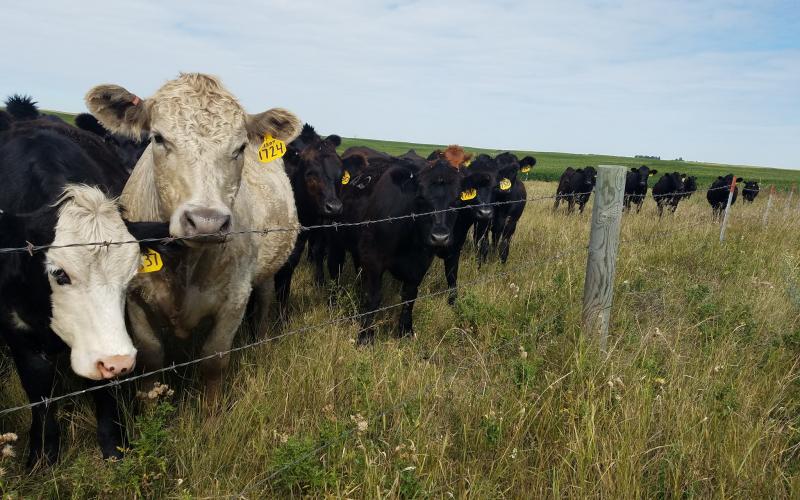
Cows Eat Weeds
By utilizing grazing as a means of cultural control, producers have the potential to decrease input expenses while reaping the benefits of inexpensive weed control through animal nutrition.

Plant Nutrient Analysis: Do your soybeans have the right stuff?
There has been a renewed interest in taking samples of soybean leaves for nutrient analysis as a quality control tool to ensure soil and the fertilizer programs are meeting the needs of the plant to eliminate nutrients as a yield limiting factor.
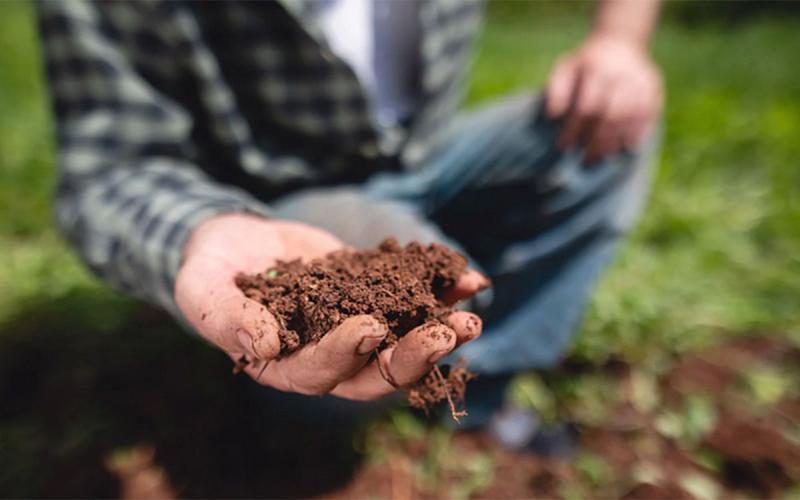
Soil Health and Why it Matters
Investing in soil health will benefit your garden or farm for generations to come. Learn how to actively manage the physical, chemical, and biological properties of your soil to optimize its long-term health.

Using Drought-Stressed Corn as Forage
Drought-stressed corn is a common challenge during dry growing seasons, but it does not necessarily result in a total loss of feed value. With proper harvest and storage management, drought-damaged corn can remain a useful and economical forage source.