Search

SDSU Extension supports childcare access in rural communities
March 16, 2026
South Dakota State University Extension’s efforts to support expanding childcare access in rural communities helped three South Dakota communities in 2024-2025.
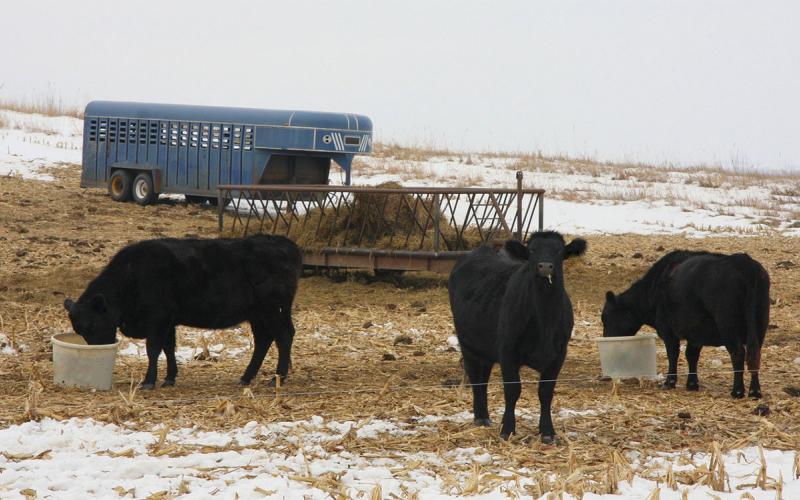
Cold Temperatures Impact Forage Intake
Decreasing temperatures impact the amount of energy required by cattle. Learn some management considerations to reduce the possibility of metabolic disturbance during periods of colder weather.

4-H Policies & Procedures
These guidelines have been established to aid South Dakota 4-H’s mission of positive youth development. Be sure to read the Overview section first as it provides the overarching guidance that sets the stage for all other 4-H policies and procedures.
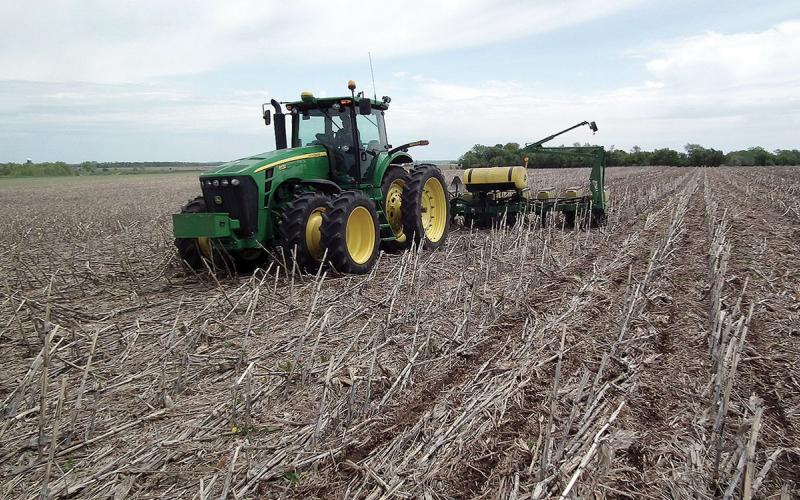
SDSU Extension collecting custom farming rates through new survey
March 16, 2026
South Dakota State University Extension is collecting data on the state’s custom farming rates and inviting producers to participate.
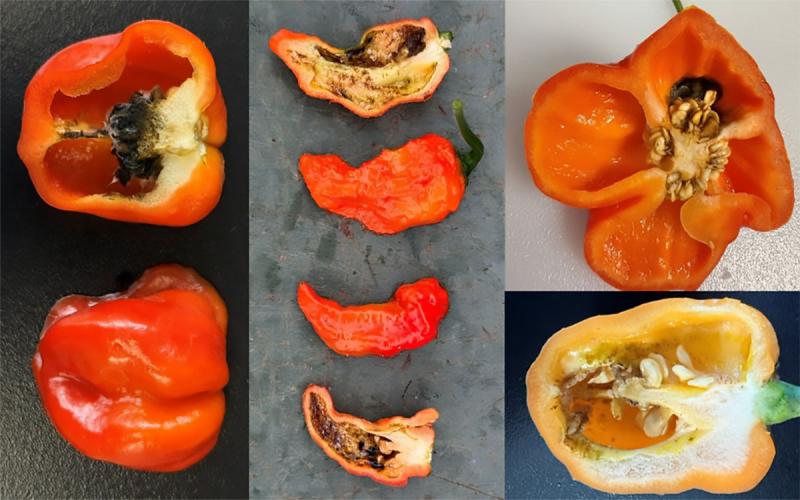
Pepper Internal Rot: Disease information and research updates
A new disease has been found in South Dakota pepper plants. While plants appear healthy and produce peppers that appear normal, many peppers will have a black mold growing inside. So, what’s going on with these plants?

4-H
4-H is the nation’s largest youth development organization, involving young people in urban, suburban and rural communities. 4-H fosters an innovative, “learn by doing” approach with proven results.
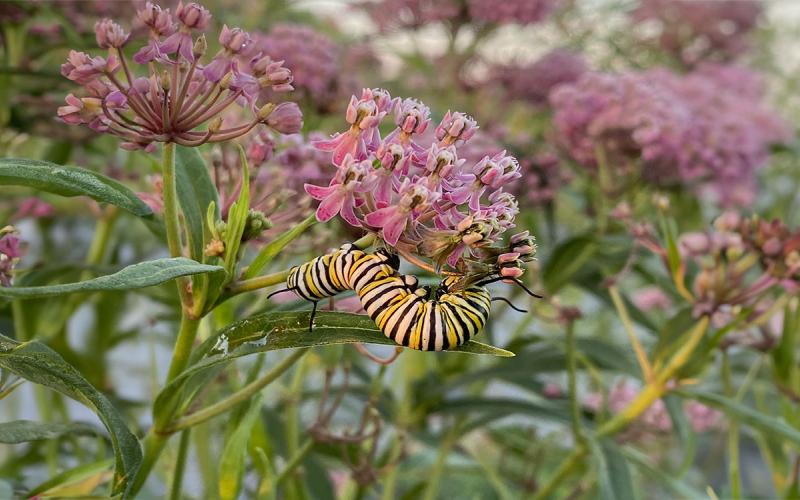
Range Roundup: SDSU Native Plant Initiative Strengthens Conservation and Supply of Native Plants
SDSU’s Native Plant Initiative has been hard at work on research that focuses on the conservation and supply of native plants.
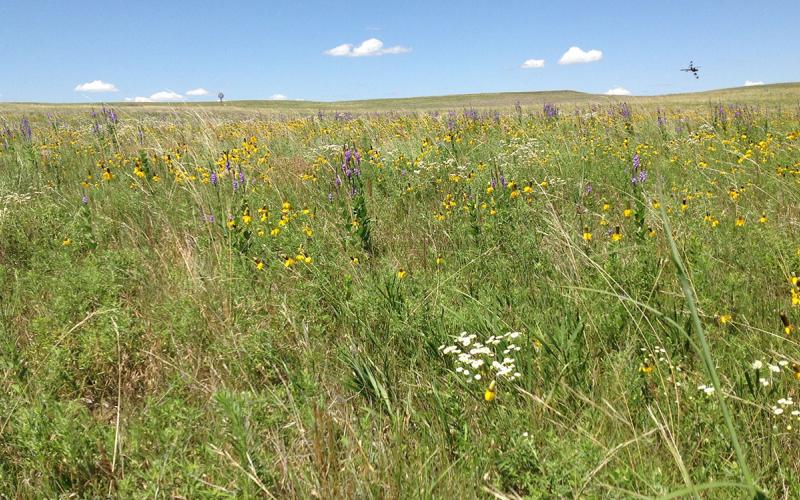
How do we describe biodiversity? It's multidimensional!
Fact sheet on the importance of biodiversity
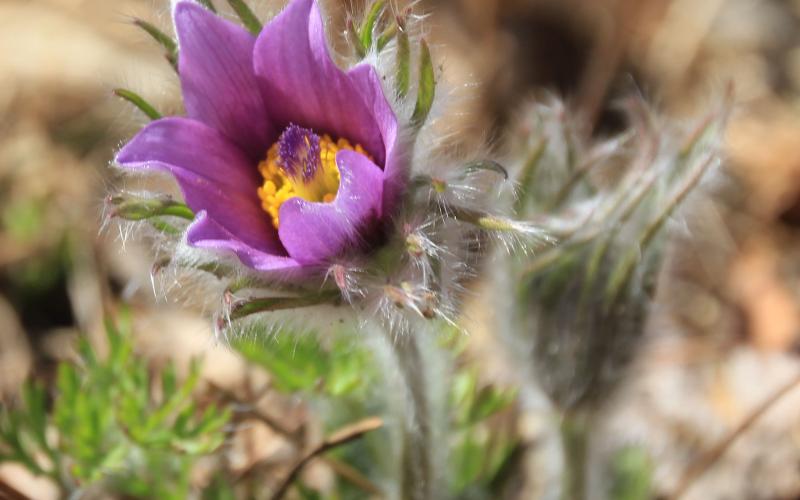
Common Flowering Plants (Forbs) of South Dakota
This guide focuses on forbs, or flowering “broad-leaved” herbaceous plants, but forbs can be narrow-leaved as well.

Five Range Management Principles: #3 Ecosystem Biodiversity
Milkweed can help make rangelands a better environment for both cattle and neighboring plants and animals by having a shielding effect on companion plants, preventing erosion and accelerating the decomposition process, whole also providing nectar, habitat and organic material for ecosystem services.