Search
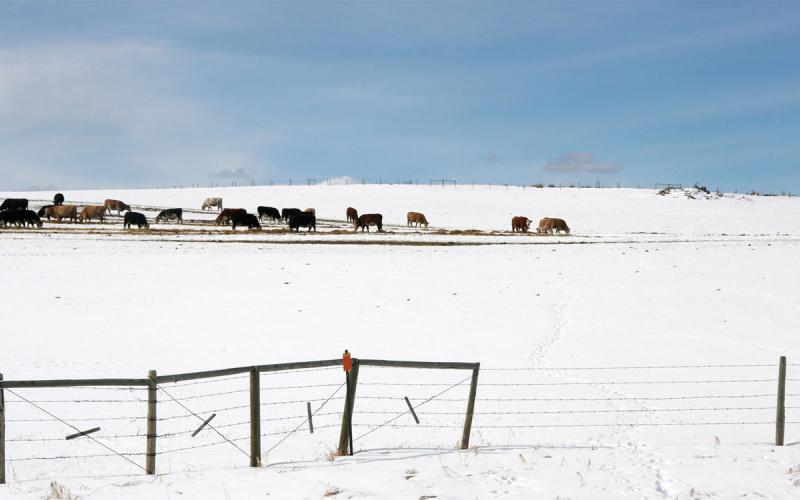
Winter Cow Supplementation and Cold Stress
Extreme winter weather makes it challenging to meet a cow’s nutrient requirements. With below-normal temperatures come challenges of ensuring adequate nutrition and protection for livestock, including being prepared to provide additional feed and shelter.
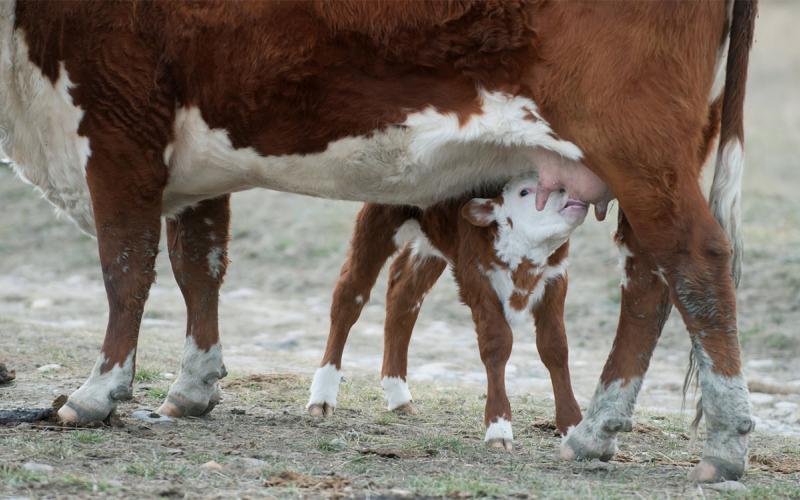
Updated Guidelines for Monitoring Colostrum Consumption and Antibody Transfer in Calves
Dairy and beef producers have long understood the importance of colostrum for the short- and long-term health of their calves. Calf health experts have determined the minimum level of serum protein to categorize a calf as having received sufficient colostrum.
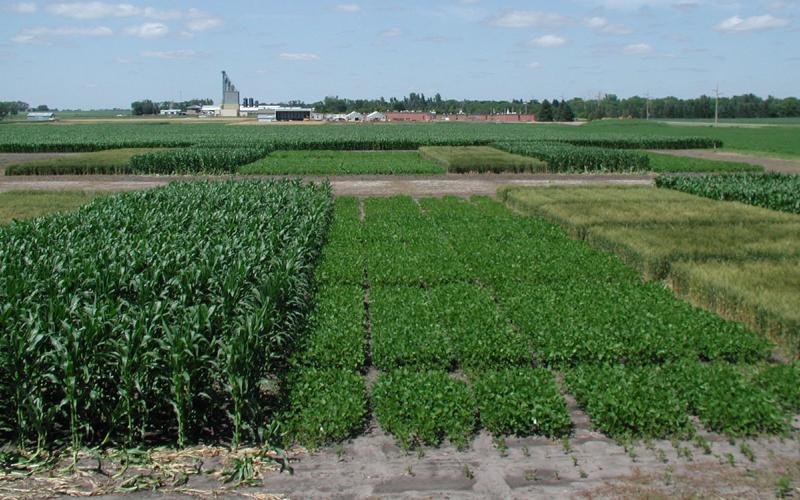
Interpreting Research Results: The Simple Way
Although research results and statistical terminology can seem overwhelming, understanding the basic concepts can be valuable for decision making. When making management decisions, don’t hesitate to ask for research results and statistics to back up marketing claims.

Colder Weather Tips for Midwestern Dairy Farm Employees
Cold and snowy winters are a challenge for dairy workers, especially for those immigrants coming from warmer climates. Informing workers of simple cold weather survival tips is beneficial in improving their quality of life, both at home and the workplace.
Consejos Básicos Para los Trabajadores de Lecherías de Cómo Afrontar el Invierno del Medio Oeste
Los inviernos fríos y nevados son un desafío para los trabajadores de las granjas lecheras, especialmente para aquellos inmigrantes que provienen de climas más cálidos donde las temperaturas raramente descienden a un solo dígito.
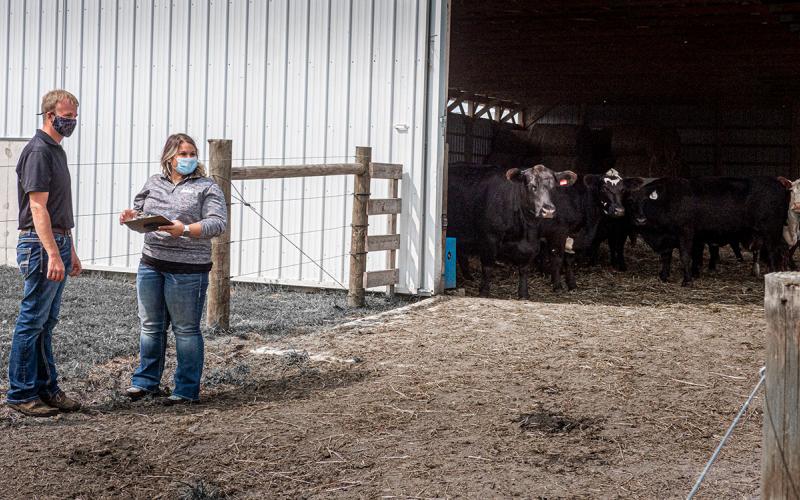
Biosecurity for Beef Cow-Calf Operations: Managing the Entry of New Animals
Infectious disease can impact cow-calf operations in dramatic ways. These steps should be considered the minimum standards for introducing new animals into cow-calf operations to avoid the spread of infectious disease.
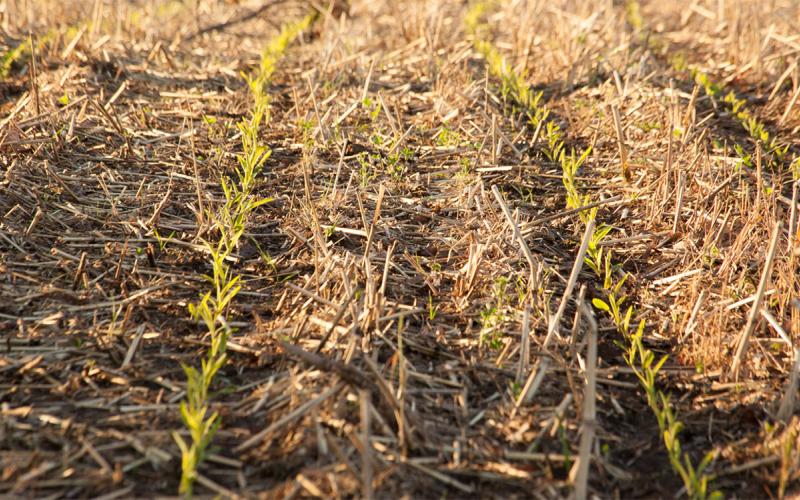
Corn Planting Populations: A Deeper Dive
Corn is grown all across South Dakota, and the optimal target population varies depending on location. In a nutshell, there is a lot more to seeding population selection than what meets the eye.
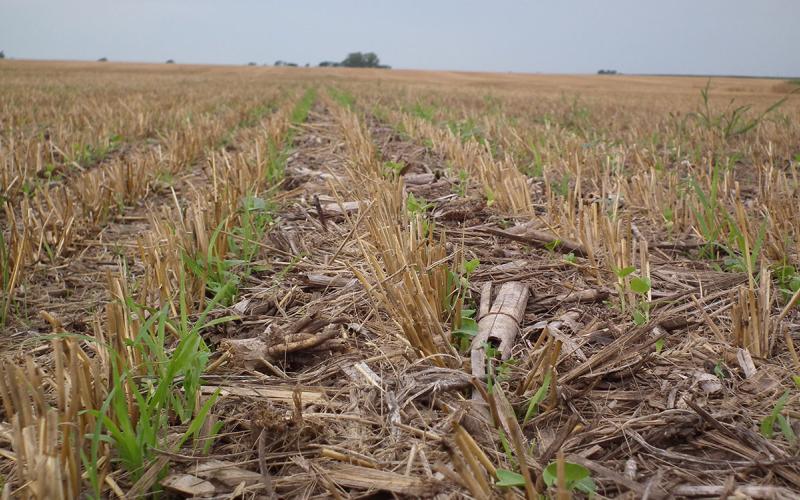
Soil Organic Matter Matters: How Conservation Practices Bring Value to Farmers
Conservation management practices, such as conservation tillage, cover crops, crop rotation and livestock integration, help improve soil health over time and offer producers numerous economic benefits.
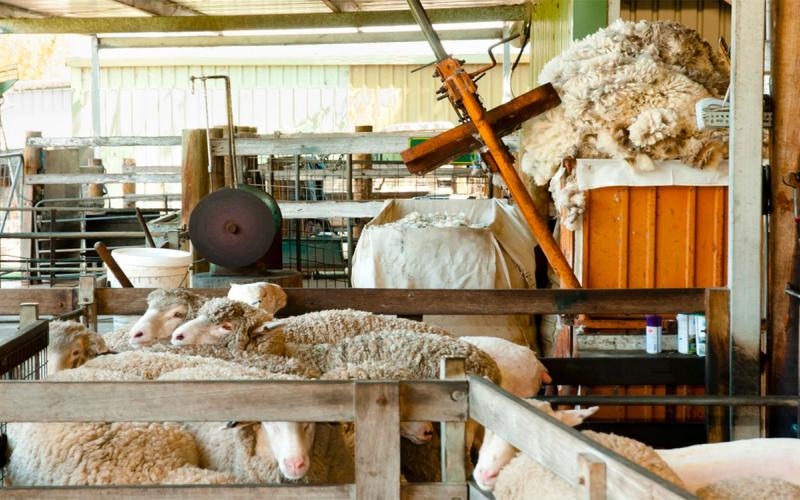
Economically Relevant Wool Traits and Wool Heritability
South Dakota is known for a high reputation wool clip. Emphasis on economically important wool traits coupled with careful genetic selection helps promote production, profitability and sustainability in an operation.

Climate and Weather
View resources to predict, prepare and recover from weather-related events year-round, including the latest drought and flood information.