Search
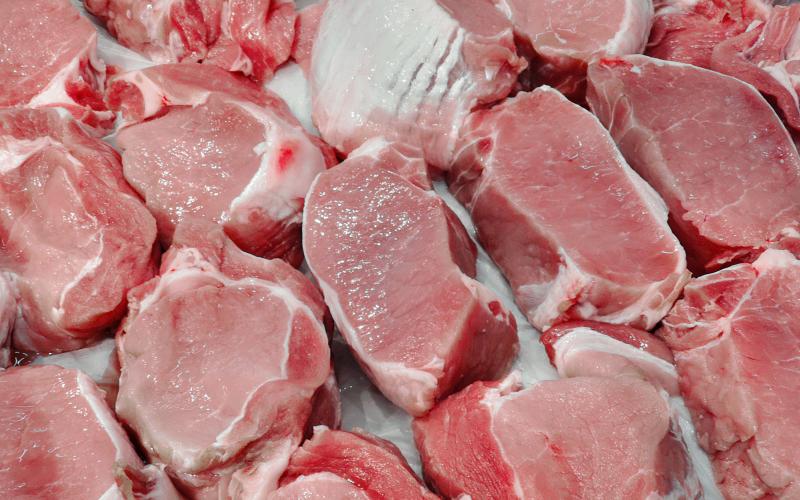
Looking for Foodborne Germs and Their Resistance to Antibiotics: Pork
This report analyzes the NARMS results for pork products for the period of June 2018 through May 2019.
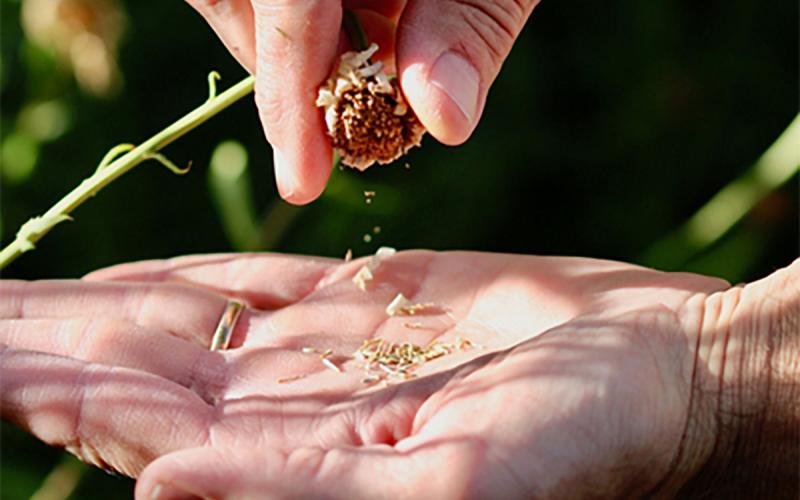
Saving Seed: Will the seed produce plants similar to the plant it was collected from?
It can be very rewarding to harvest and save seed of ornamental and vegetable plants. But why is it that sometimes when we plant the seed we saved, the results do not seem to be very like the plant we collected the seed from?
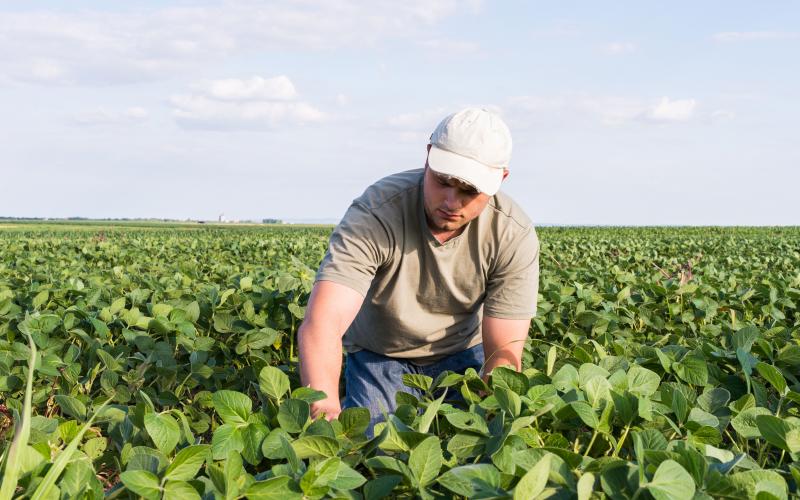
Should I Spray for Soybean Aphids? What’s the Threshold?
Although many soybean fields are behind schedule, so are the soybean aphid populations. In many reported areas, there are hotspots within a field where a few soybean plants may be heavily infested.
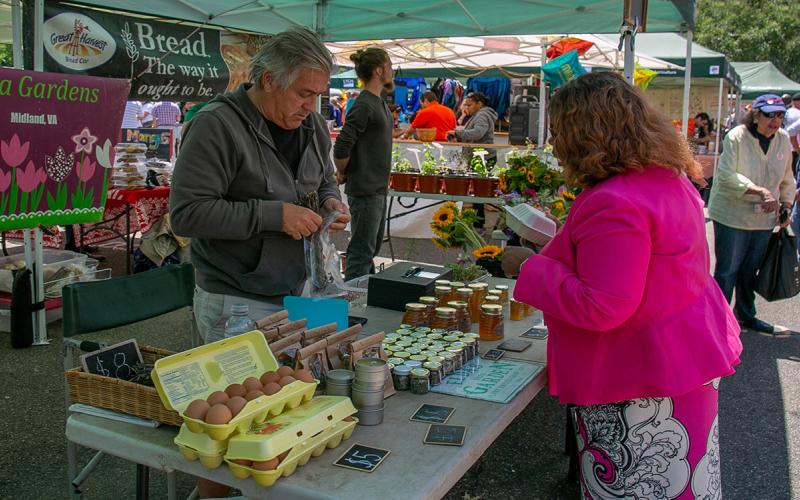
Food Safety for South Dakota Farmers Market Vendors: Regulations and Best Practices
Farmers markets are a valuable sales outlet for farmers and food entrepreneurs alike. Learn some essential rules, regulations, and best practices for processing, handling, and selling a variety of common food items at South Dakota farmers markets.
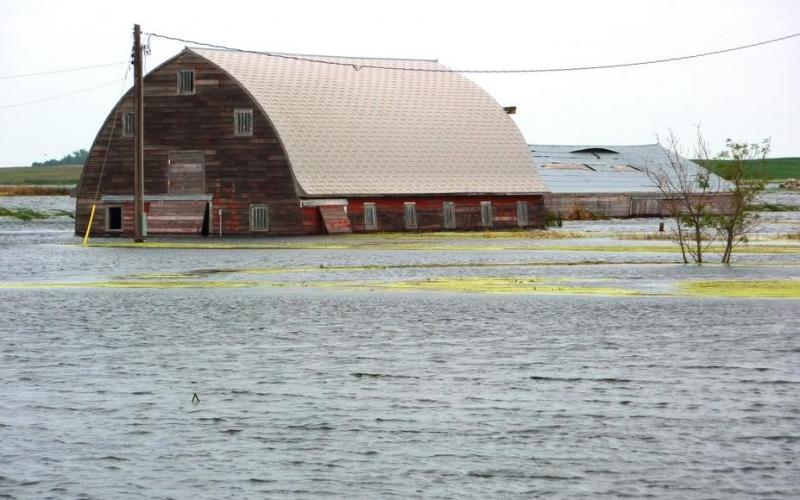
Flood
View resources to prepare for and recover from flood situations.
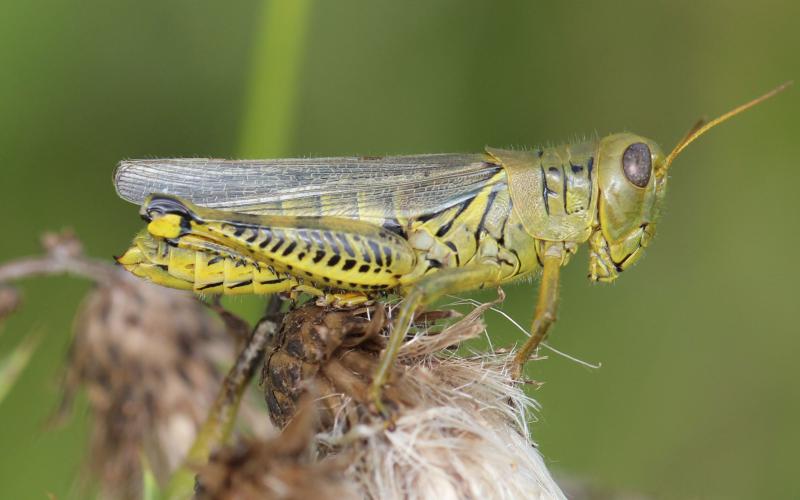
Should I Be Concerned About Grasshoppers When Planting Winter Wheat?
During 2019 we have received varying reports regarding grasshopper populations. Many reports have indicated that grasshopper numbers are down. However, we have also received reports of very large grasshopper populations in some areas of South Dakota. So why such a difference?
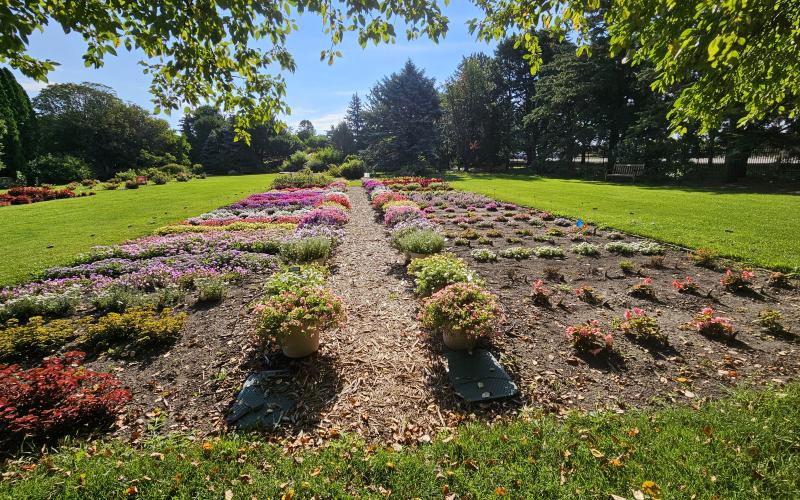
Garden Hour
Make the most of your garden and landscaping with weekly insights and ideas from our team of experts.
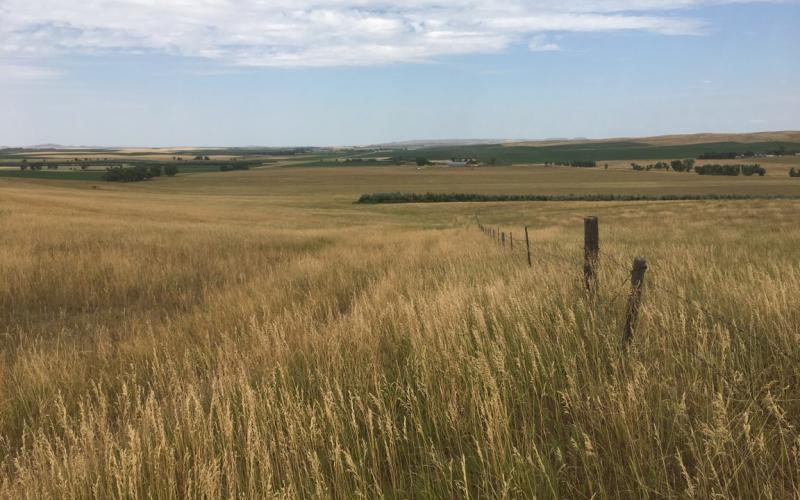
Drought Planning
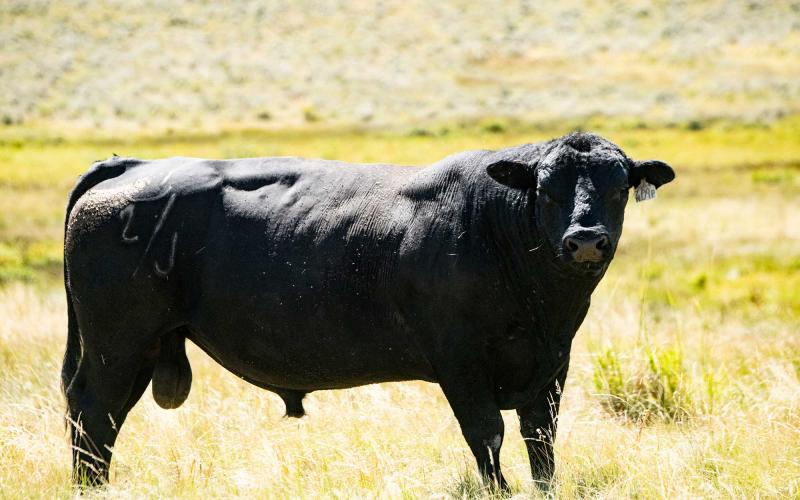
How Many Bulls Do You Need When Synchronizing With Natural Service?
The use of estrous synchronization with natural service provides an opportunity to utilize the benefits of synchronization. However, the first question producers ask is, “How many more bulls do I need?”
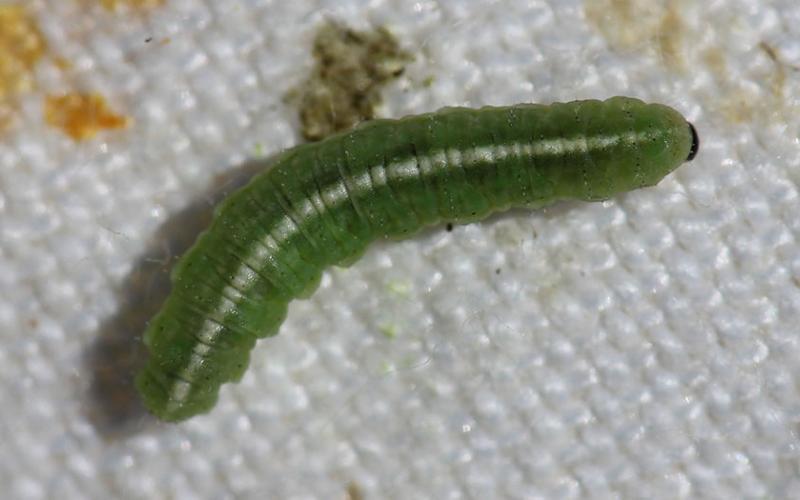
Alfalfa Weevil Activity Prediction Update: June 1, 2020
Activity of alfalfa weevils has been documented in many areas of South Dakota during the last week. At this time, the entire state has accumulated enough degree days for alfalfa weevils to be active.