Search
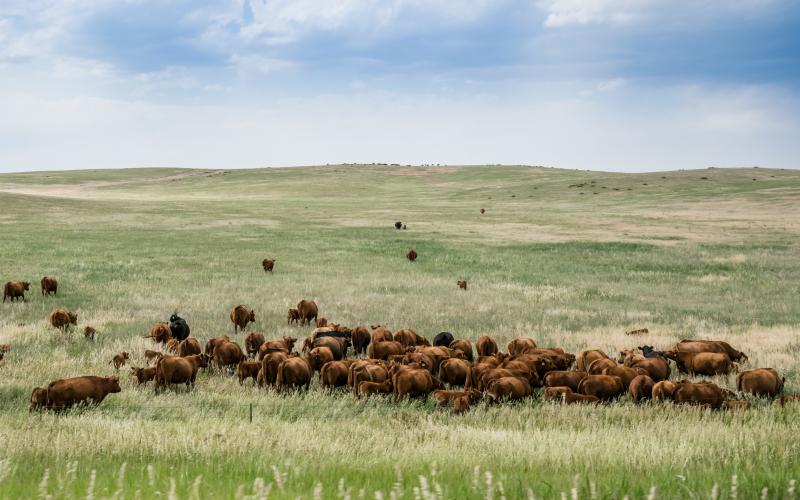
Beef
Home to more than 1 million head of cattle, South Dakota’s producers can rely on SDSU Extension for research-based information, best management practices and resources to support healthy and profitable herds.
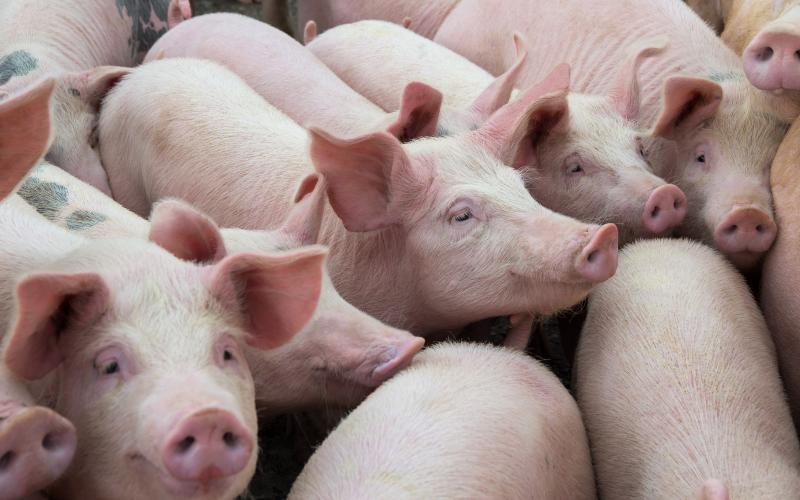
Swine
Providing pork producers with the research-based information and resources they need to keep South Dakota swine herds healthy and profitable is a focus of our team.

Crops
During the growing season, SDSU Extension provides weekly production recommendations.

Ag Business
Modern agriculture requires savvy financial planning and strategy.
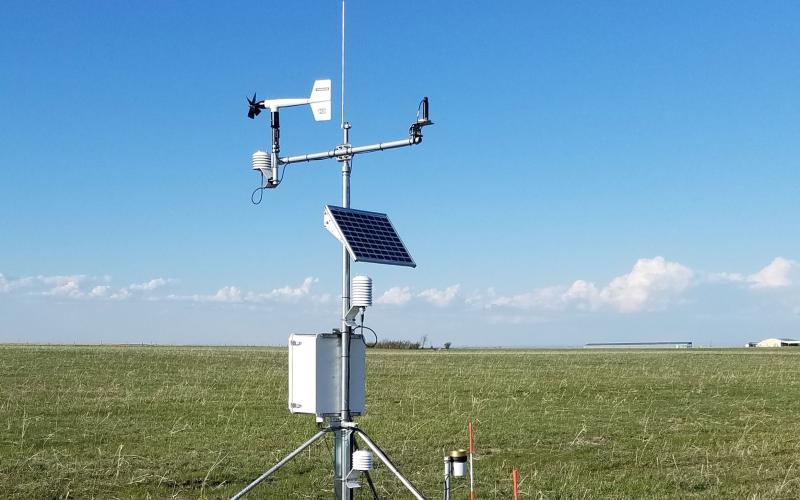
Climate and Weather
View resources to predict, prepare and recover from weather-related events year-round, including the latest drought and flood information.

Personal Finances
Access the tools needed to take charge of your financial future.
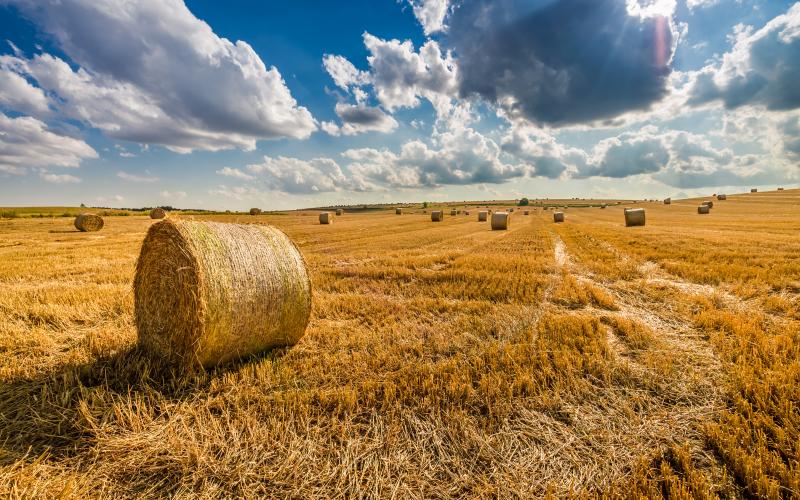
Forage
SDSU Extension works with forage producers, providing them with access to quick tests, research-based information, and best management practices to help maximize yields and nutritional quality of forages.

Community
Resources to support communities, organizations, leaders and businesses.

Tree Pest Alert
From seasonal issues and timely recommendations to disease diagnosis and expert advice, the Tree Pest Alert is a trusted resource for selecting, planting and caring for trees and shrubs all year round.
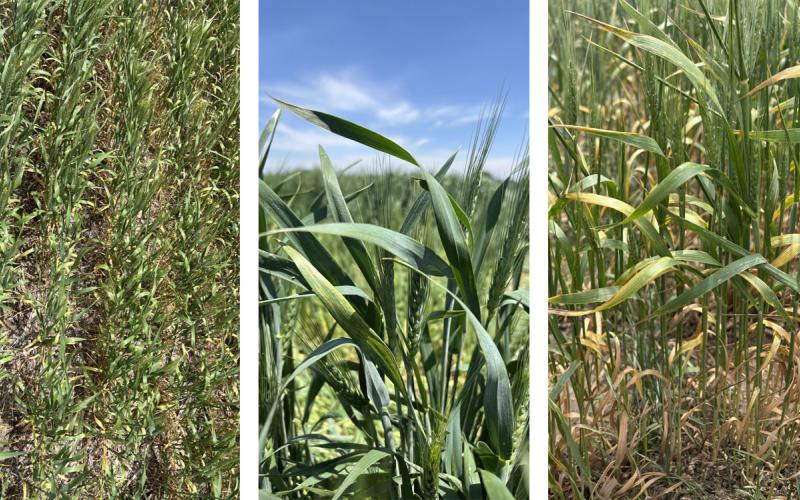
South Dakota Wheat Streak Mosaic Virus Disease: 2026 Update
Wheat streak mosaic virus is on the move across South Dakota wheat fields. Due to the mild winter and overwintering in winter wheat, viral activity has had a jump start in 2026, and the occurrence and intensity of disease pressure is comparable to the 2025 season.