Search

SDSU Extension helps first responders train for crashes involving livestock
April 30, 2025
The first time Brandon Wingert responded to a vehicle accident involving livestock was in 2017 when a livestock trailer with 99 cattle tipped over. They successfully recovered all but four of the cattle, but Wingert, Hanson County’s sheriff and emergency manager, never forgot the incident.
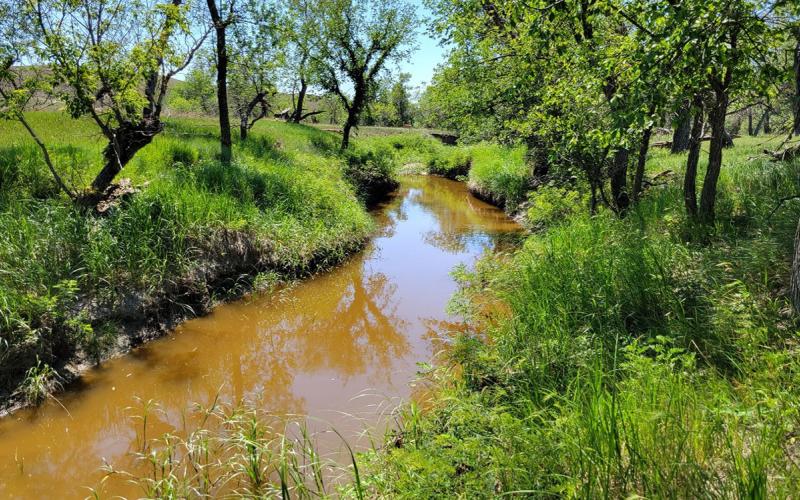
Ranching and Prairie Streams: Why Riparian Areas Matter
For many producers, riparian pastures are essential to their operations. However, land managers need to balance grazing and utilization needs with riparian health for the long-term benefit of their operation.
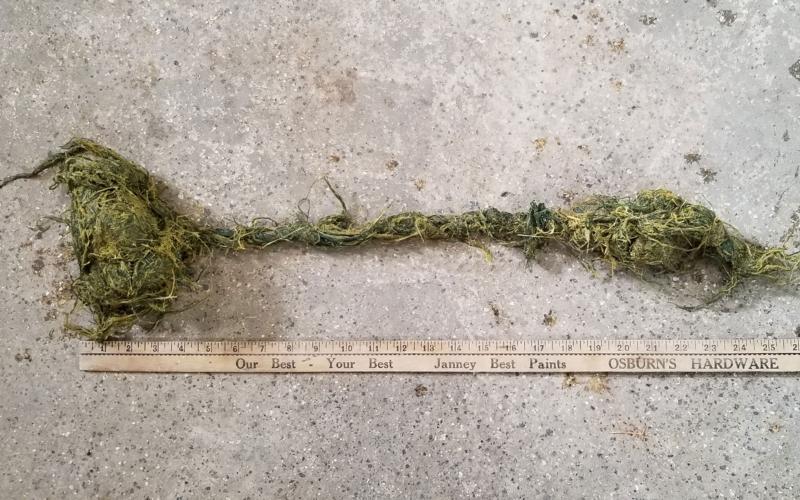
Summary of Forage Binding Survey and Current Net Wrap Research
Recently, cattle producers and veterinarians have become more concerned with the possible ingestion of net wrap or twine from hay bales and the negative impacts it could have on cattle health and performance.
Multi-Species Grazing and Integrated Livestock Systems
n this episode of Grazing Toolbox, we visited with Jaelyn Whaley and Dave Ollila to discuss multi-species livestock integration and how sheep and cattle can work together to improve grazing management, forage utilization, and overall ranch resilience. Drawing from both Extension and producer perspectives, the conversation explores the opportunities, challenges, and practical considerations involved in incorporating sheep into grazing systems.
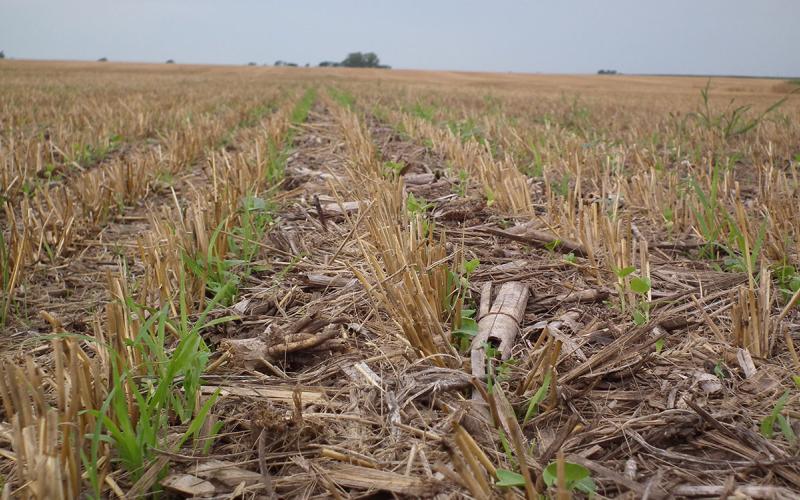
Do Cover Crops and Grazing Harm Soil Properties?
Fact sheet for a study that was conducted to compare short and long-term animal grazing on soil health and water properties at four locations in SD.

Streamlines Podcast
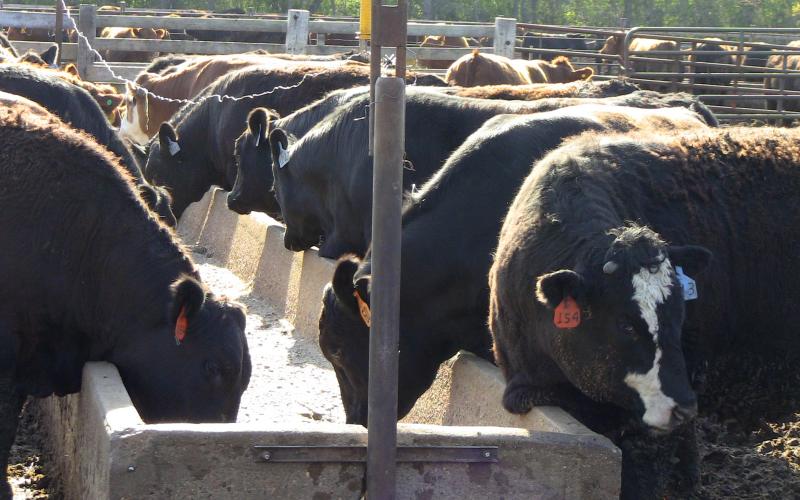
Neospora-Positive Status: Impact on heifers/cows and their calves
Neospora caninum is a protozoal germ that has the potential to affect reproduction in beef and dairy herds. Neospora-related reproductive problems can arise from two different kinds of infected cattle: 1) cows or heifers that became infected by eating contaminated feed, and 2) cows or heifers that were born with Neospora and pass it on to their offspring in utero.
Grazing Smart Following Dry Fall and Winter Seasons
In this episode of Cattle HQ, Madison Kovarna sits down with her colleagues from SDSU Kaylee Wheeler, an Extension Range Field Specialist, and Dr. Krista Ehlert, an Assistant Professor and Extension Range Specialist.

Getting Kids Into Healthy Sleep Habits
It is important for children to get their recommended hours of sleep each night, but good sleep quality is also essential.
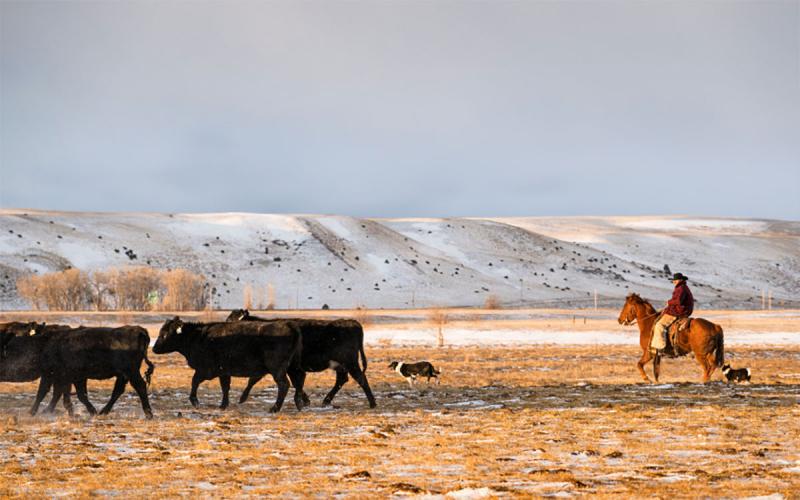
Preparing for Spring Grazing After a Dry Fall: Strategies for Ranchers
A dry fall presents significant challenges, but it also offers an opportunity to implement proactive and adaptive management strategies.