Search
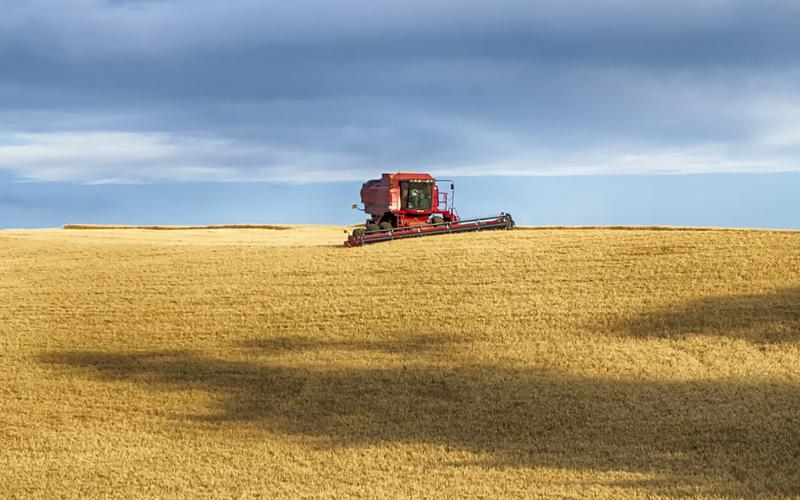
Best Management Practices for Wheat Production
The Wheat Best Management Practices manual offers a comprehensive guide for optimizing yields, maximizing profits and ensuring long-term sustainability in wheat production.

SDSU Extension hires new farm and food systems specialist
June 25, 2024
South Dakota State University Extension is pleased to welcome Sarah Sellars as a new Specialist in Sustainable Farm and Food Systems.

2023 Evaluation of Newly Established Clover Cover Crops as a Living Mulch for Sustainable Broccoli Production in Eastern South Dakota
Research report on observing the performance of three different clover species used in a broccoli production system.
Estate and Transition Planning
In this episode of Cattle HQ, join Kiernan Brandt, SDSU Extension Cow/Calf Field Specialist, and Olivia Amundson, former SDSU Extension Cow/Calf Field Specialist, as they talk with Heather Gessner, SDSU Extension Livestock Business Management Field Specialists about the importance of preparing an estate or transition plan.

Third Annual 'Energize!' Conference Sees Sustained Success
October 26, 2021
An opportunity to hear about successful revitalizations, community projects and business opportunities, this year’s Energize! Conference drew more than 100 people.
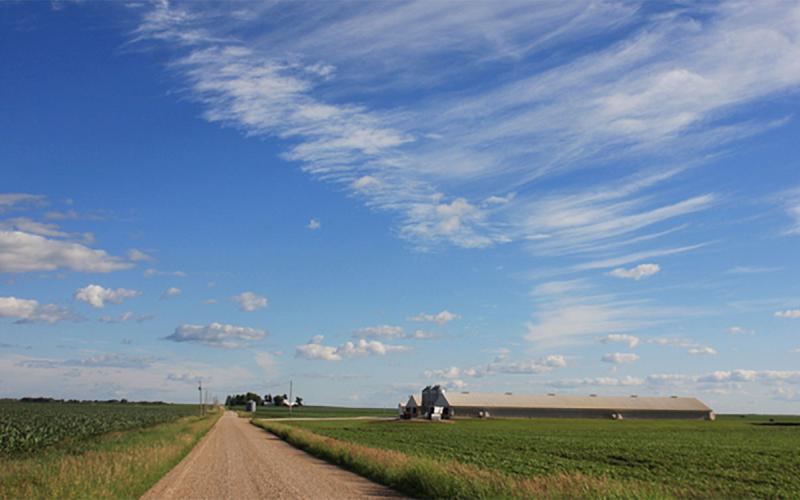
SDSU Pork Cares Farm Impact Report 2022
SDSU's Pork Cares Farm Impact Report details the efforts and practices employed by pork producers to promote sustainable agriculture, including environmental impact, social responsibility, and economic viability.
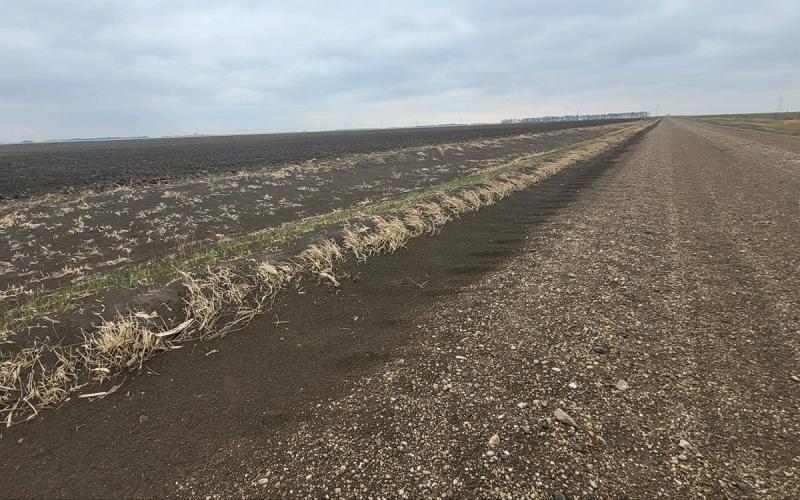
The Costs of Erosion: Topsoil’s Role in Food Security
The thin layer of topsoil covering our earth sustains almost all of the life we know. Learn some answers to common questions about protecting it from erosion.

Chronic Disease
Chronic diseases and their consequences can often be prevented or managed effectively through medical management, behavioral change efforts, and sustained patient support.

Considerations for Pasture and Herd Health in a Mixed-Precipitation Year
Planning for drought can quickly be replaced with a false sense of security when precipitation does arrive in the middle of the growing and grazing seasons, but the long-term sustainability of your pastures and herd depends on timely, flexible management.
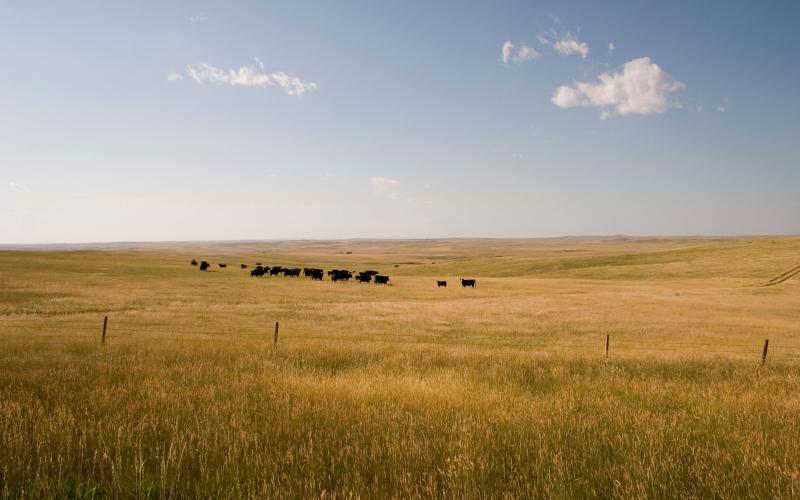
Rotational Grazing Improves Stocking Capacity and Ranch Profitability
Livestock stocking rate is considered as one of the most important decisions that ranchers can make, as heavy stocking rate causes grassland degradation and adversely impact the sustainable delivery of ecosystem services.